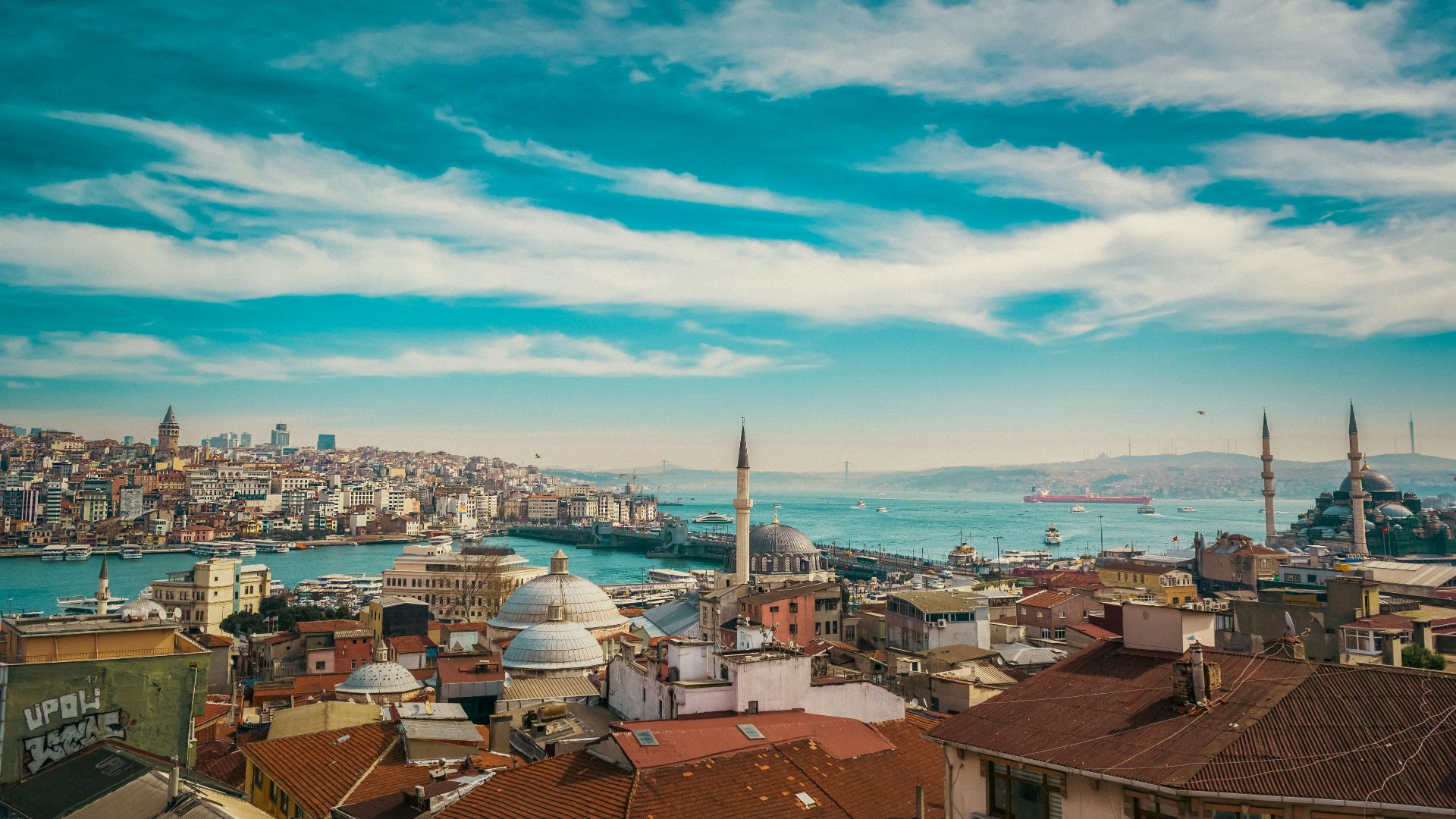
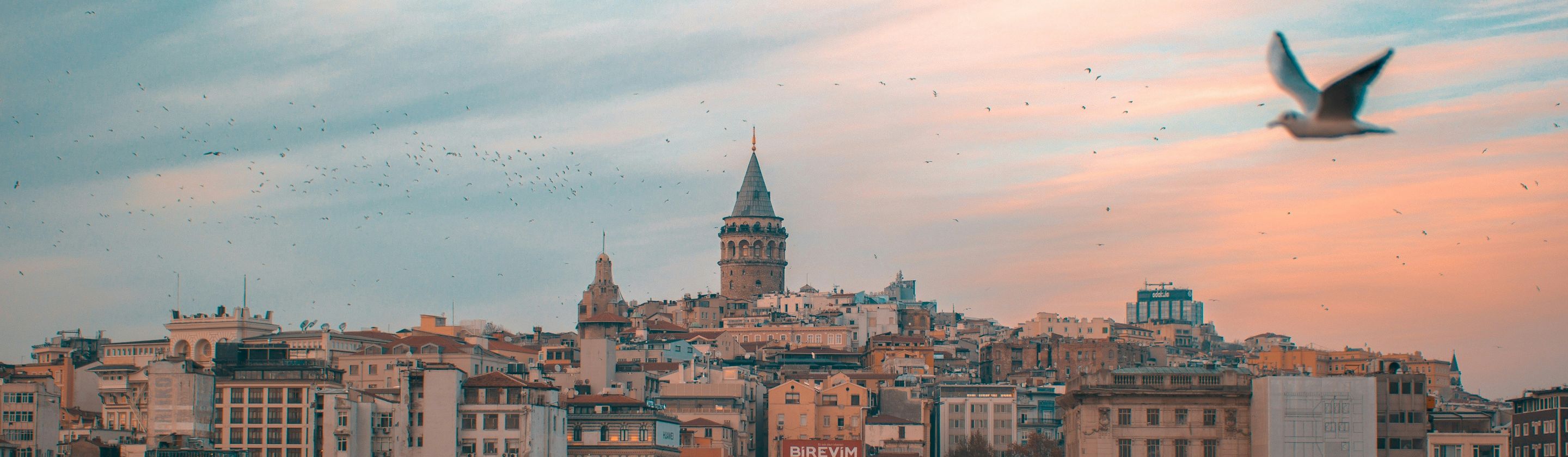
The Bosphorus Strait in Istanbul is a waterway that carries abundant history, symbolism, and cultural importance. Stretching roughly 30 kilometres between the Black Sea and the Sea of Marmara, the Bosphorus is the geographical and emotional heart of Istanbul. For centuries, empires have fought to control it, traders have crossed it, and locals have built their lives around its shores. Today, ferries glide between continents, fishermen line the waterfronts, and neighbourhoods on both sides maintain distinct identities shaped by centuries of history.
The Waterway That Connected Empires
The Bosphorus has been strategically important since ancient times. Long before Istanbul became the capital of the Byzantine and Ottoman Empires, Greek settlers recognized the value of this narrow passage linking Europe and Asia. Whoever controlled the Bosphorus controlled trade between the Mediterranean and the Black Sea, making it one of the world’s most valuable maritime corridors. When Emperor Constantine founded Constantinople in the 4th century, the city’s position along the Bosphorus helped transform it into one of the most powerful capitals in history. Later, the Ottomans fortified the strait with massive castles and military towers to secure control of trade and naval movement.
Europe on One Side, Asia on the Other
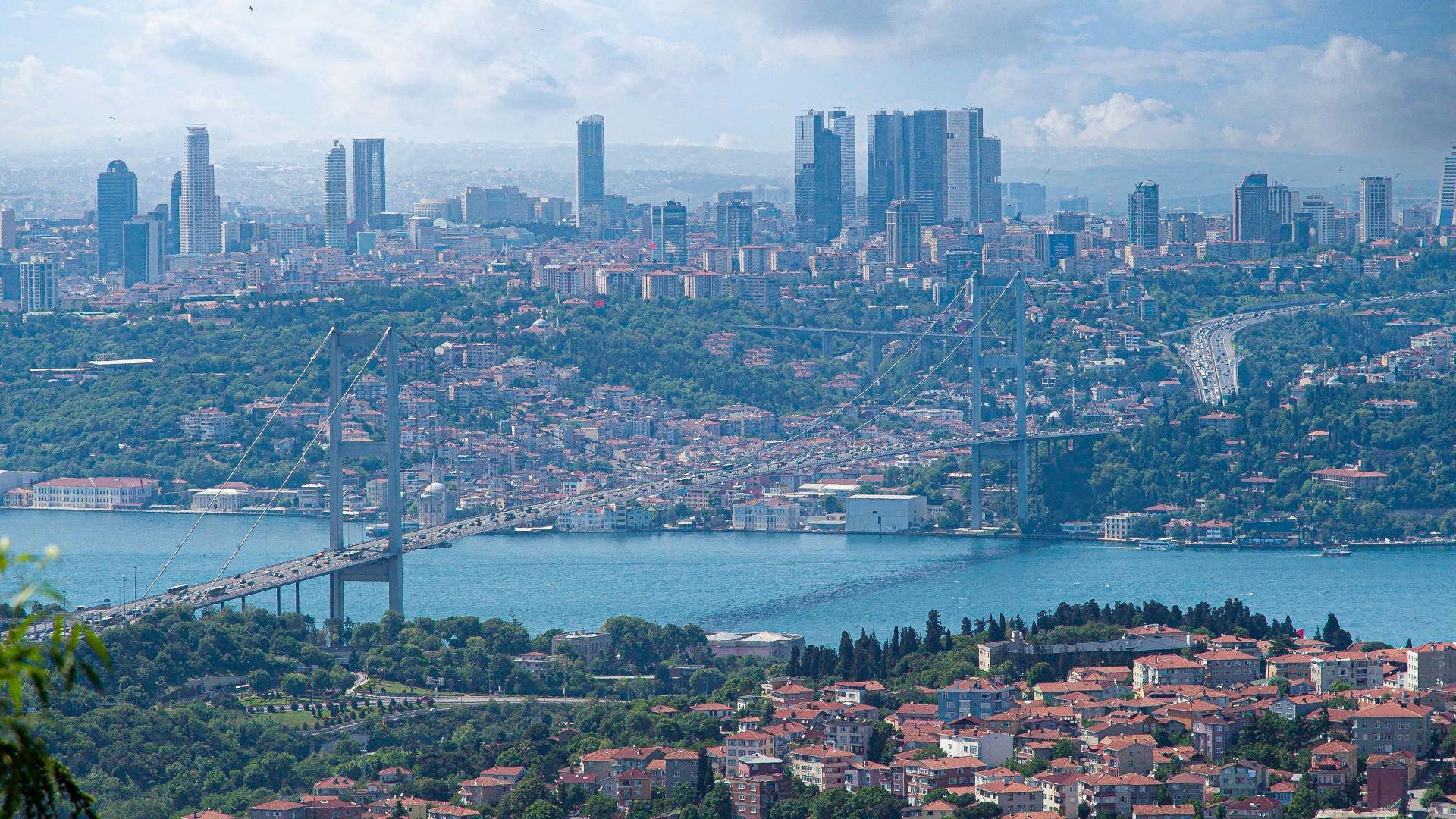
One of the most fascinating aspects of Istanbul is that it physically spans two continents. The western side of the Bosphorus belongs to Europe, while the eastern side belongs to Asia. Yet crossing between them feels surprisingly effortless. Commuters travel daily by ferry, bridge, or underwater rail tunnel, often moving between continents faster than many people commute across a single city elsewhere in the world. The European side is home to many of Istanbul’s grand historic landmarks, bustling bazaars, and imperial mosques. Meanwhile, the Asian side offers a slightly calmer atmosphere, with residential neighbourhoods, waterfront cafés, and local markets that reveal a different rhythm of life. Together, the two shores create the unique dual identity that defines Istanbul.
Ottoman Palaces and Waterfront Mansions
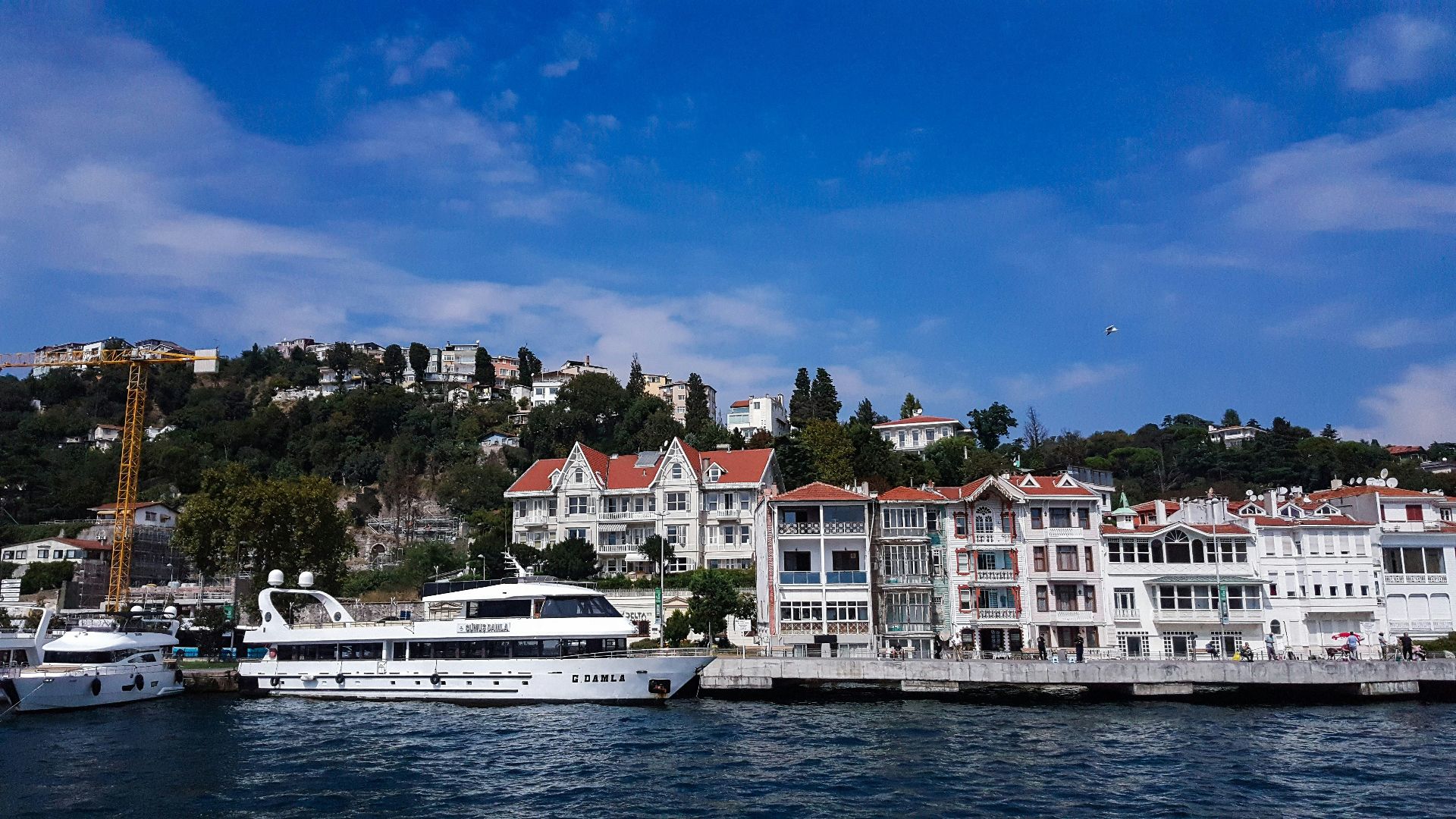
During the Ottoman period, the Bosphorus became a symbol of wealth and prestige. Sultans constructed elaborate palaces along the shoreline, including the magnificent Dolmabahçe Palace and Beylerbeyi Palace. Wealthy Ottoman families built elegant wooden mansions known as yalı, many of which still line the waterfront today. These homes were designed to capture cooling sea breezes during Istanbul’s hot summers, turning the Bosphorus into a seasonal social hub for the Ottoman elite. Even today, boat traffic, waterside restaurants, and luxury homes continue to make the strait one of Istanbul’s most desirable locations.
Daily Life Along the Bosphorus
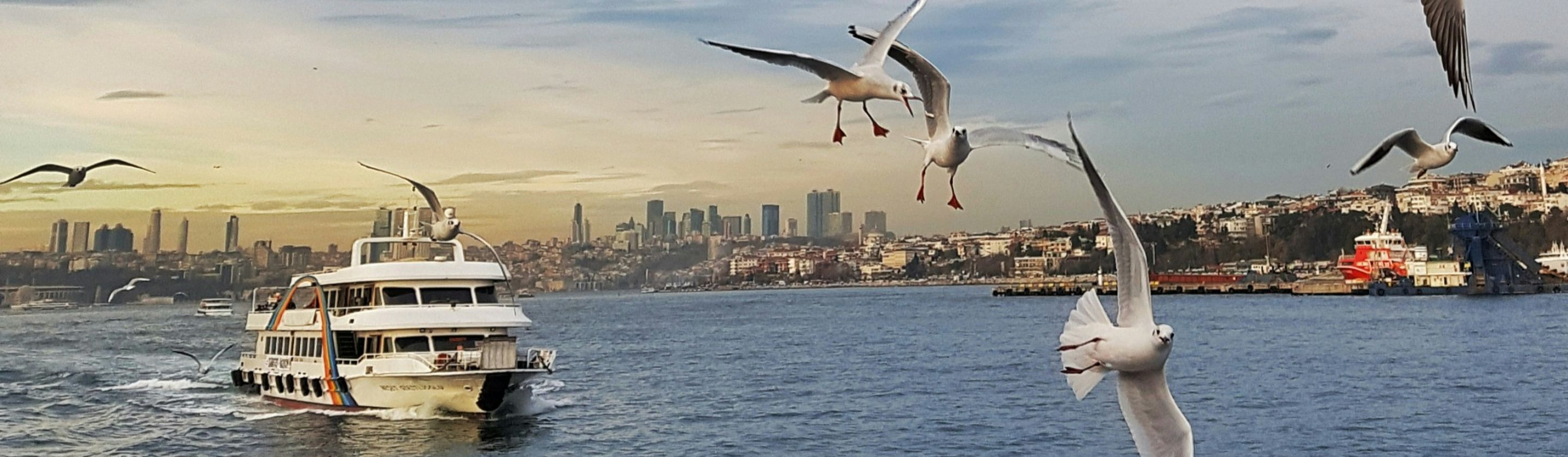
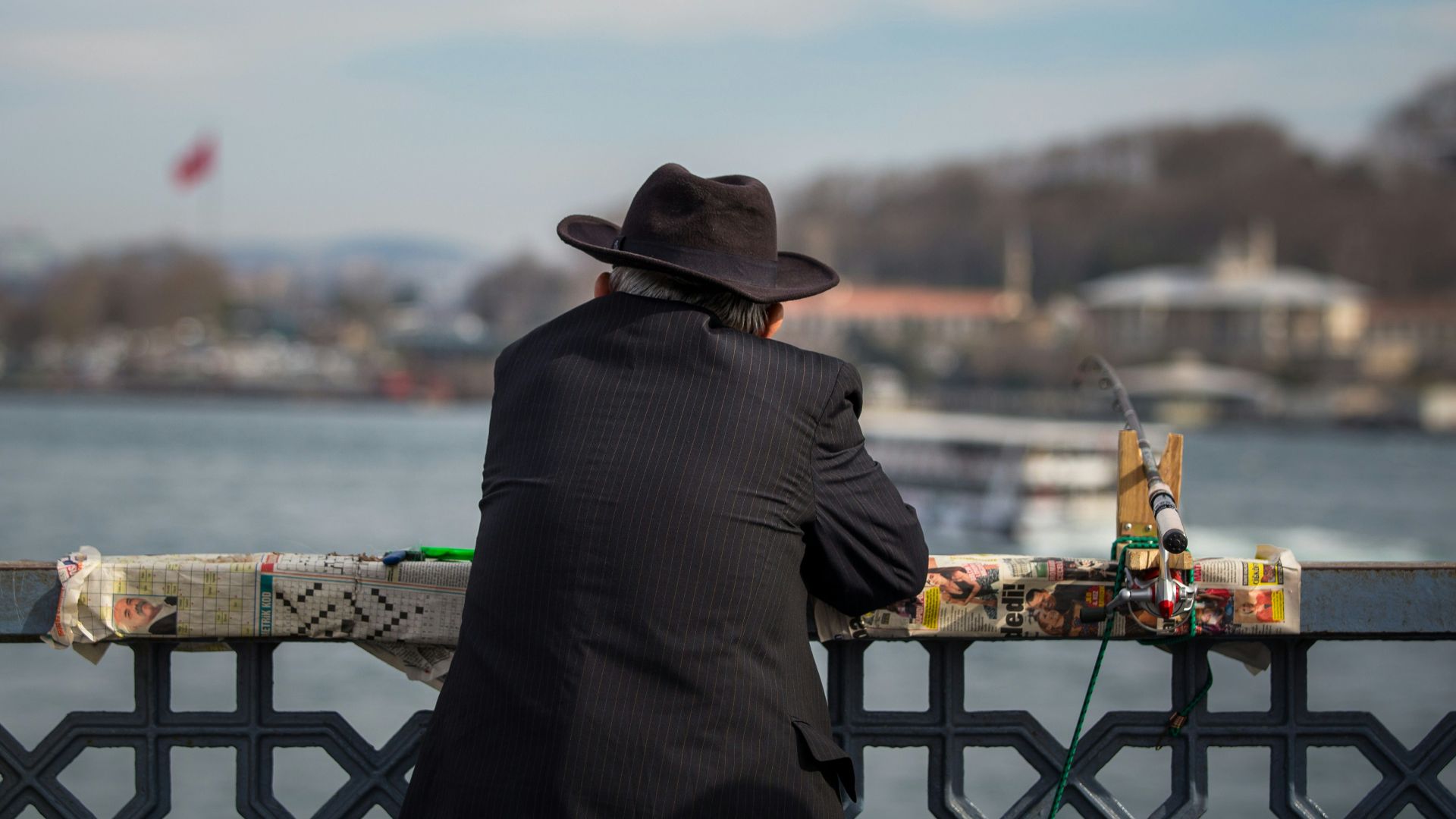
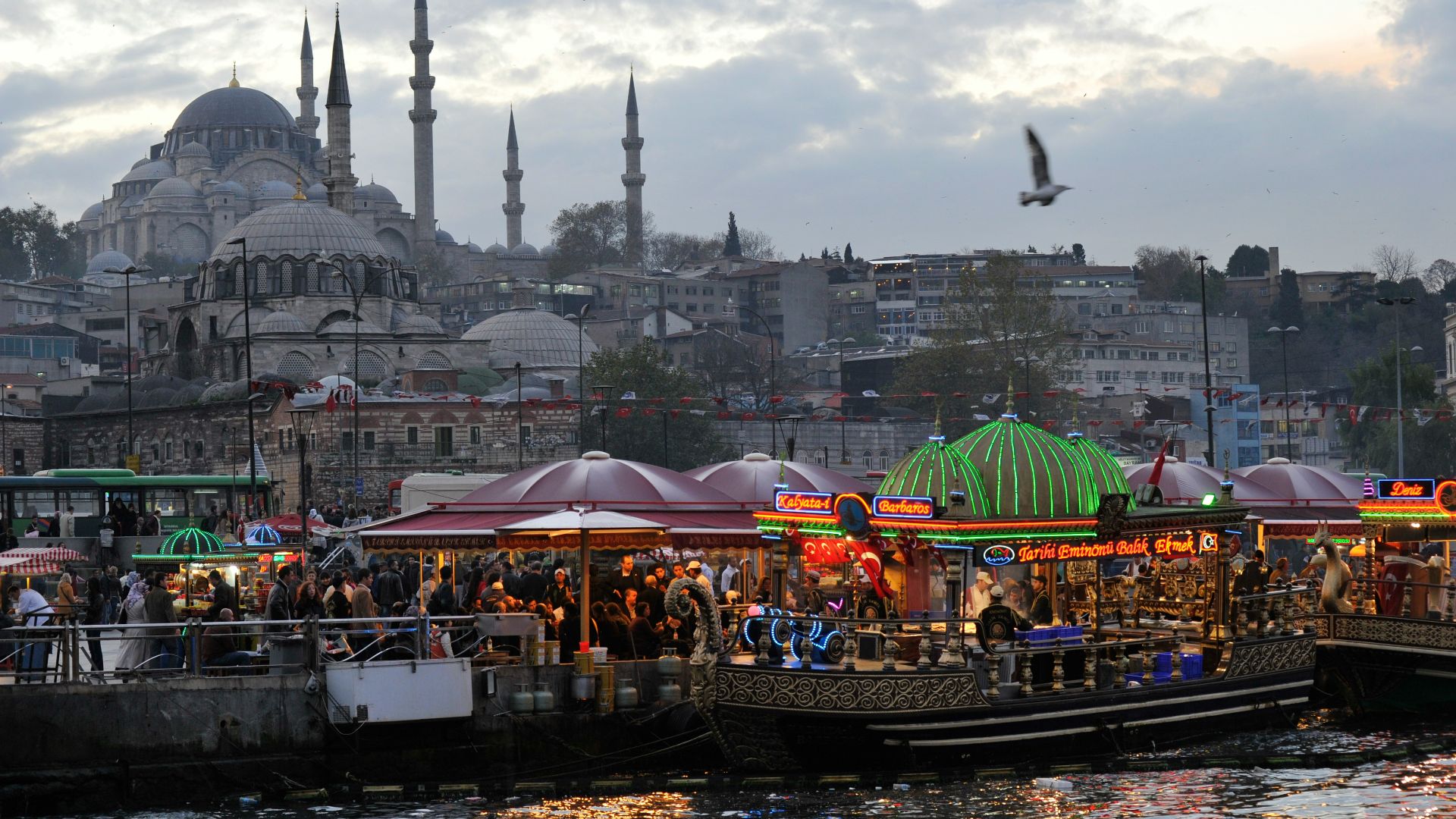
The Bosphorus is deeply woven into everyday Istanbul life. Ferries remain one of the city’s most beloved forms of transportation. They offer stunning skyline views for the price of a local commute. Locals sip tea on outdoor decks while seagulls follow overhead, creating one of the city’s most recognizable scenes. Fishing is another enduring tradition. Along bridges and waterfront promenades, fishermen cast their lines throughout the day, while nearby vendors sell fresh seafood sandwiches known as balık ekmek.
 Ahmet Hikmet Turan on Unsplash
The Best Ways to Experience the Bosphorus
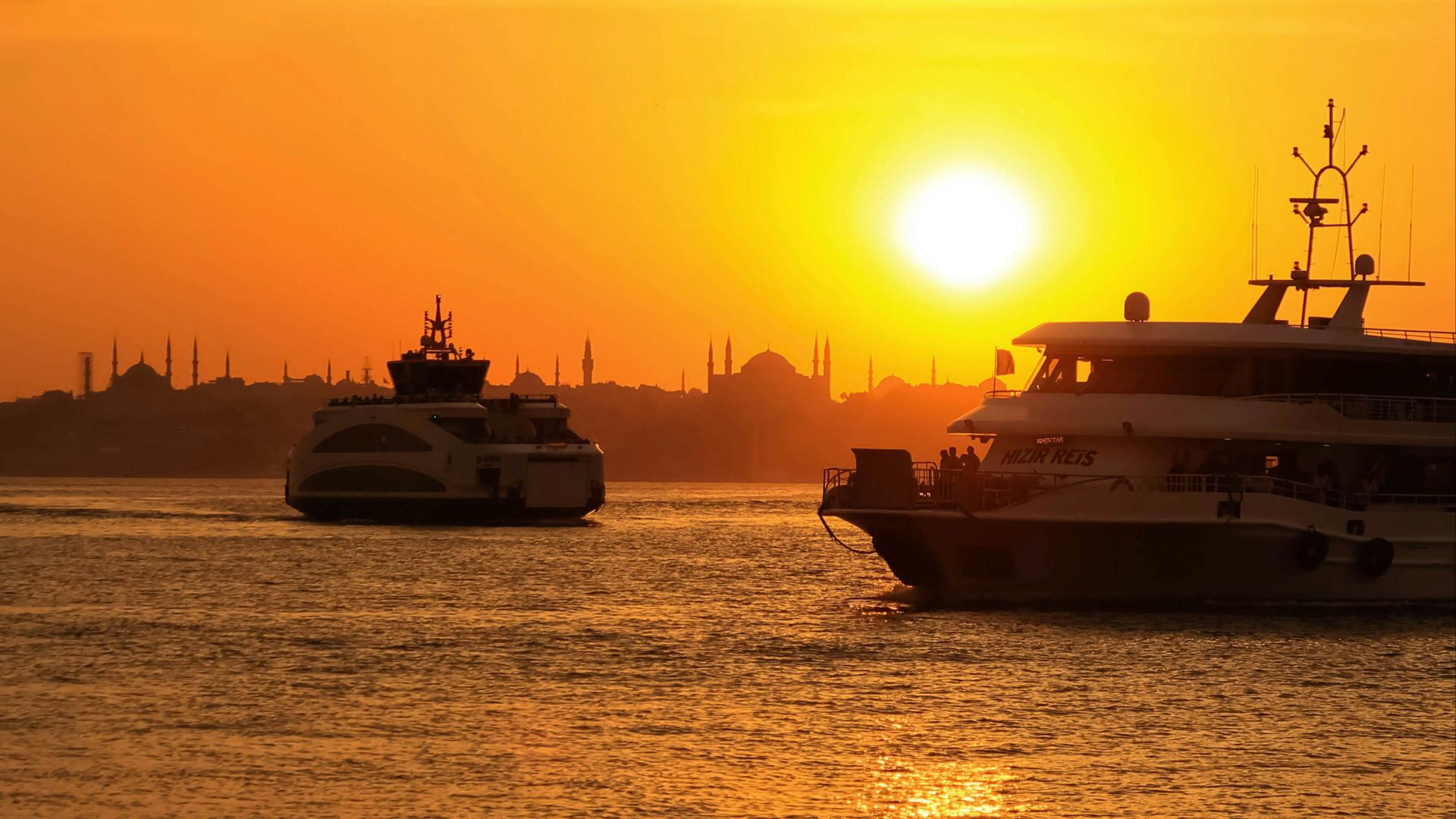
For visitors, one of the best ways to experience the Bosphorus is by ferry at sunset. Mosque silhouettes and palace domes glow golden against the water. Neighbourhoods like Ortaköy, Üsküdar, and Bebek offer beautiful waterfront walks and cafés where locals gather late into the evening. Whether viewed from a palace terrace, crossed during a morning commute, or explored by boat, the Bosphorus reveals Istanbul’s layered identity more clearly than anywhere else. It is the meeting point of continents, cultures, and centuries of human history.