Hagia Sophia Istanbul Guide: History, Architecture, and What to Know Before You Visit
Hagia Sophia Istanbul Guide: History, Architecture, and What to Know Before You Visit
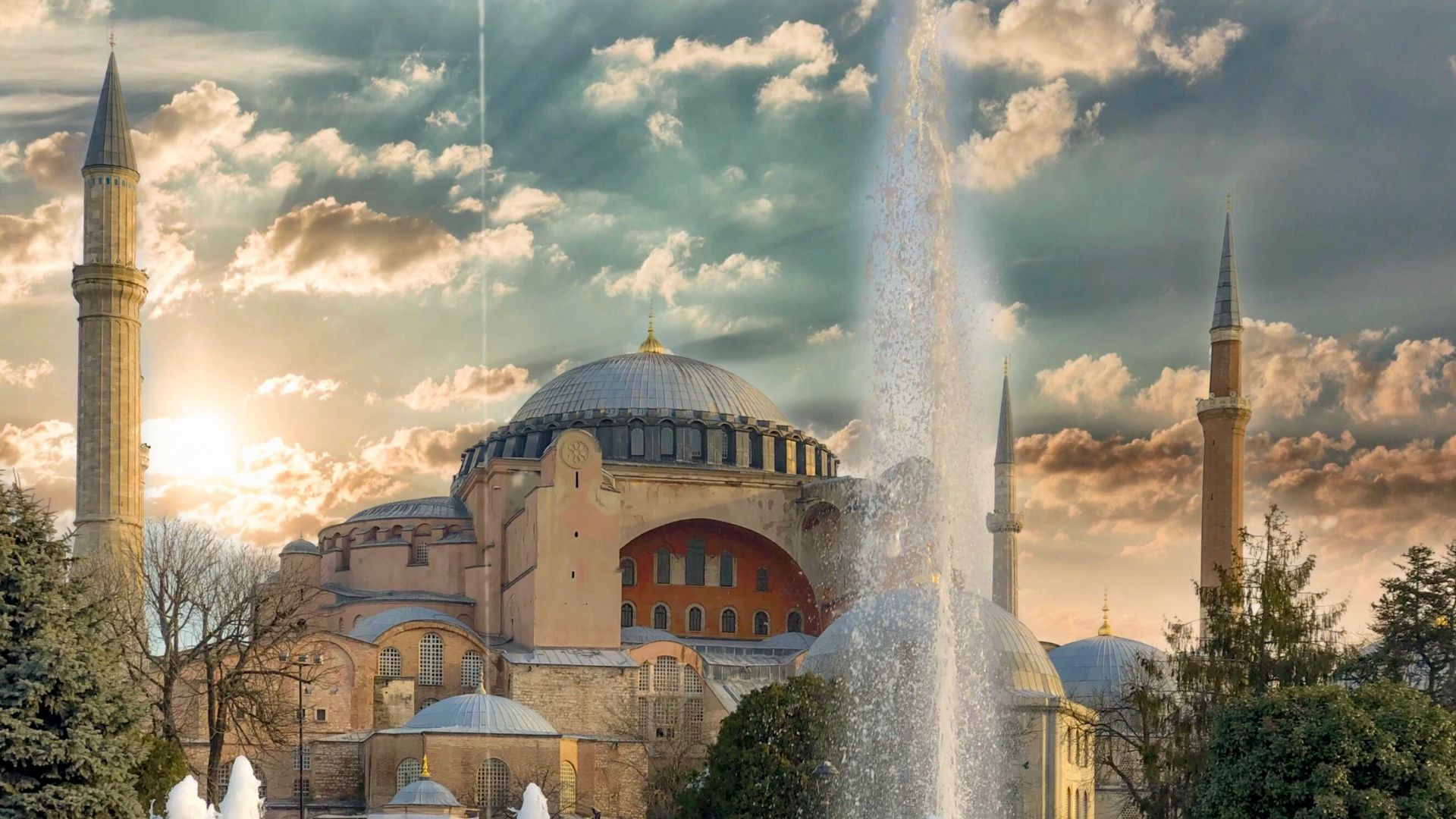
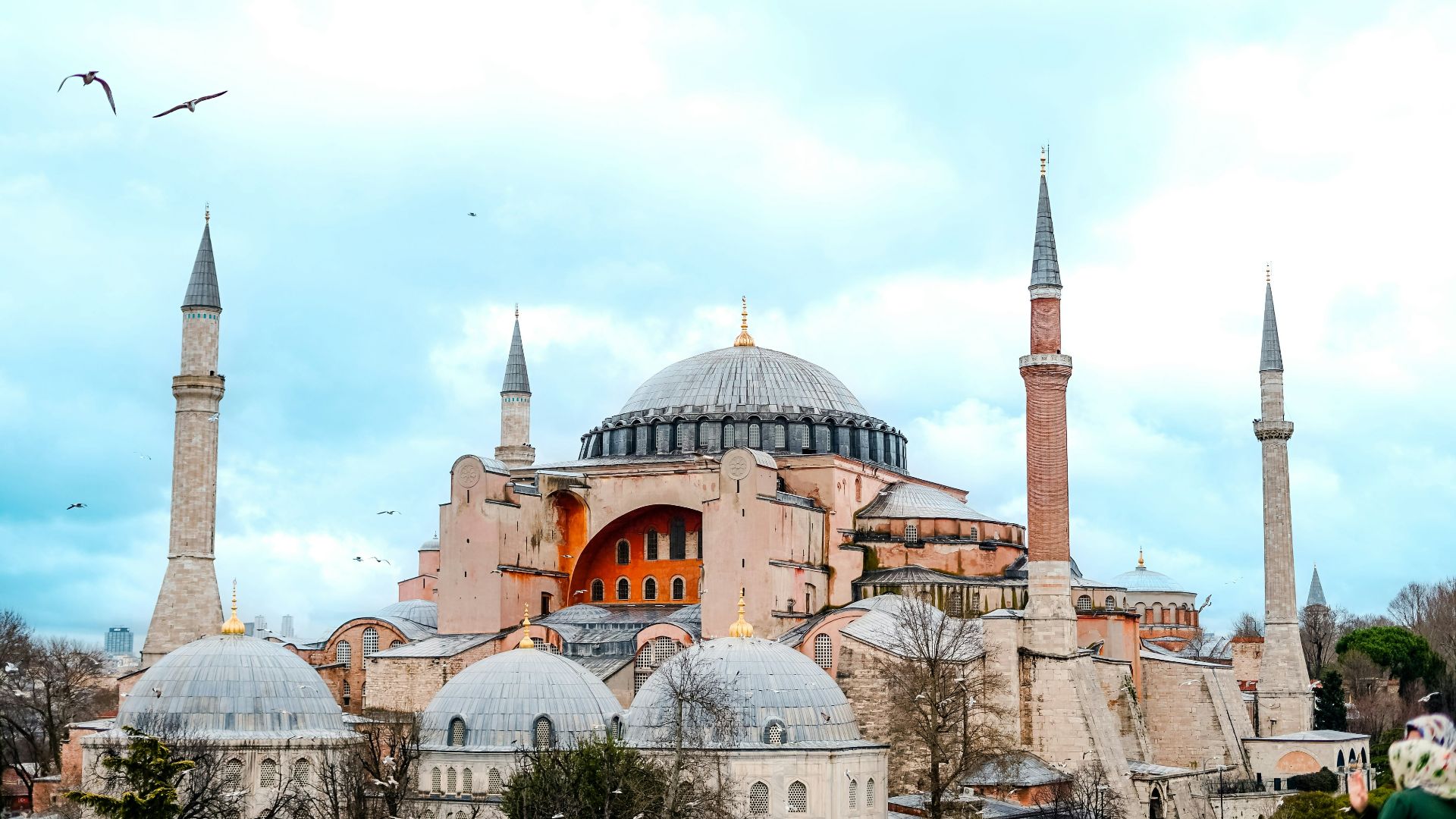
Few landmarks in the world capture the complexity of human history quite like Hagia Sophia. This extraordinary structure rises above the historic skyline of Istanbul and has served as a Byzantine cathedral, an Ottoman mosque, a museum, and once again a mosque over the course of nearly 1,500 years. For first-time visitors, Hagia Sophia is a place where empires, religions, art, and architecture overlap in astonishing ways. Located in the heart of Sultanahmet, directly across from the Blue Mosque, Hagia Sophia remains one of the most fascinating and culturally significant buildings in the world.
A Building That Changed the History of Architecture
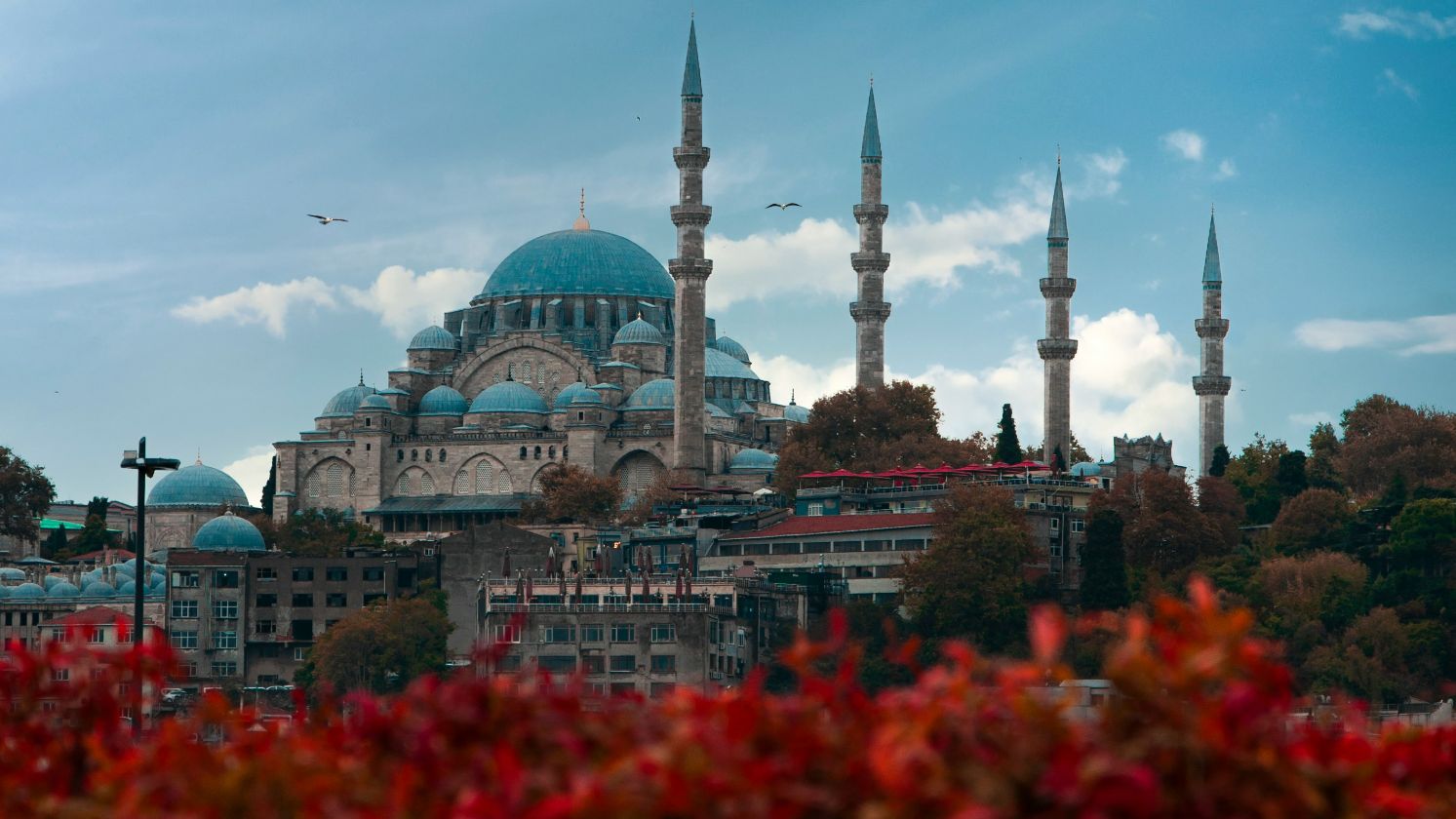
When Hagia Sophia was completed in 537 AD under Byzantine Emperor Justinian I, it was considered an engineering miracle. Its enormous central dome appeared almost impossible for its time, creating the illusion that it floated above the building in a halo of light. For nearly a thousand years, Hagia Sophia was the largest cathedral in the world and became one of the greatest architectural achievements of the Byzantine Empire. Even centuries later, its design would influence Ottoman mosques throughout Istanbul, including the nearby Blue Mosque.
From Cathedral to Mosque to Museum
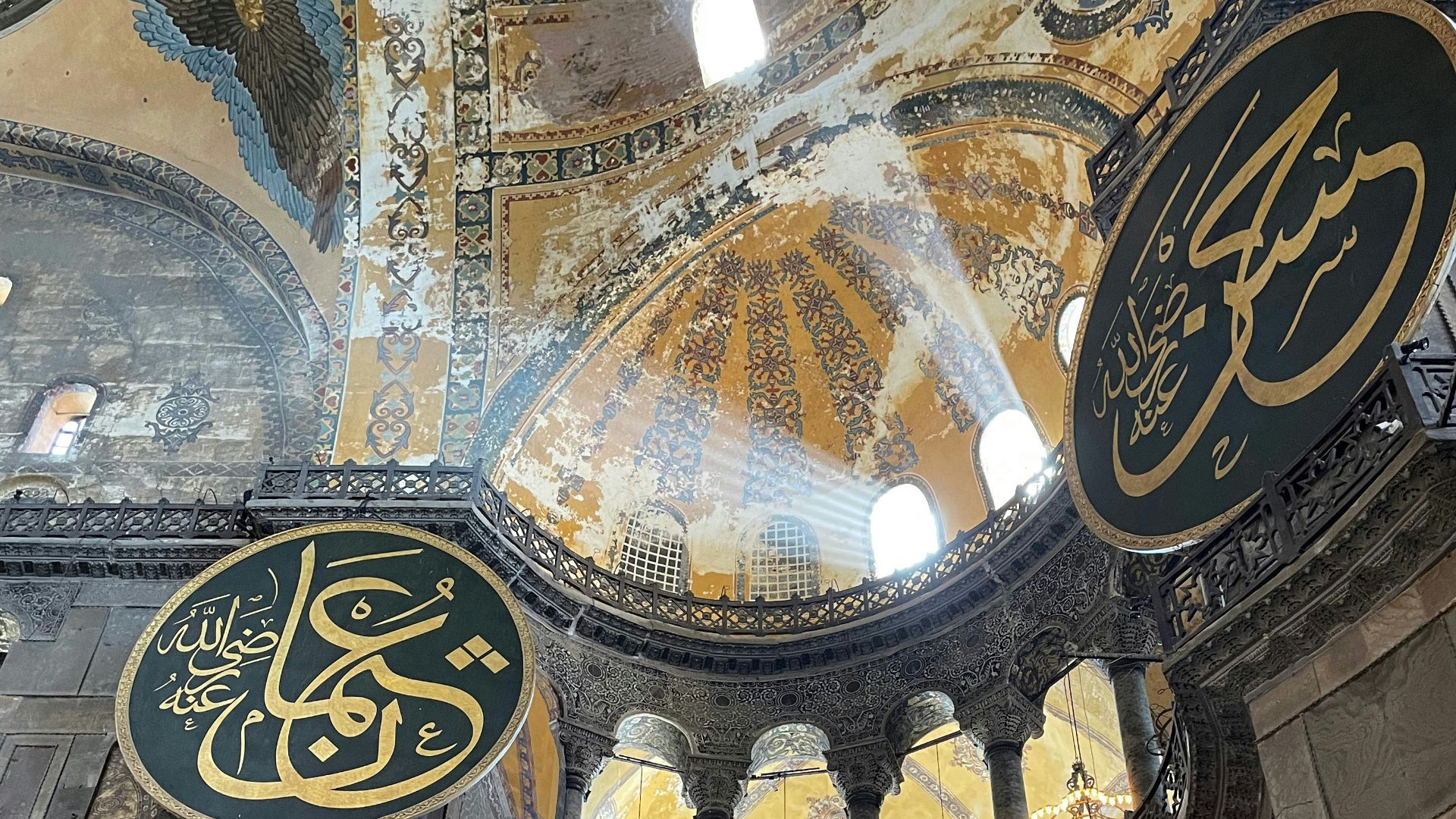
One of the most remarkable aspects of Hagia Sophia is how it reflects the changing history of Istanbul itself. Originally built as a Christian cathedral, it became a mosque after the Ottoman conquest of Constantinople in 1453 under Sultan Mehmed II. Islamic features such as minarets, calligraphy panels, and a mihrab were added over time, while many Christian mosaics remained preserved beneath layers of plaster. In 1935, Hagia Sophia became a museum under Mustafa Kemal Atatürk before reopening as a mosque in 2020. Today, visitors can still see both Christian and Islamic elements coexisting inside the same building.
The Mosaics and Interior Details You Shouldn’t Miss
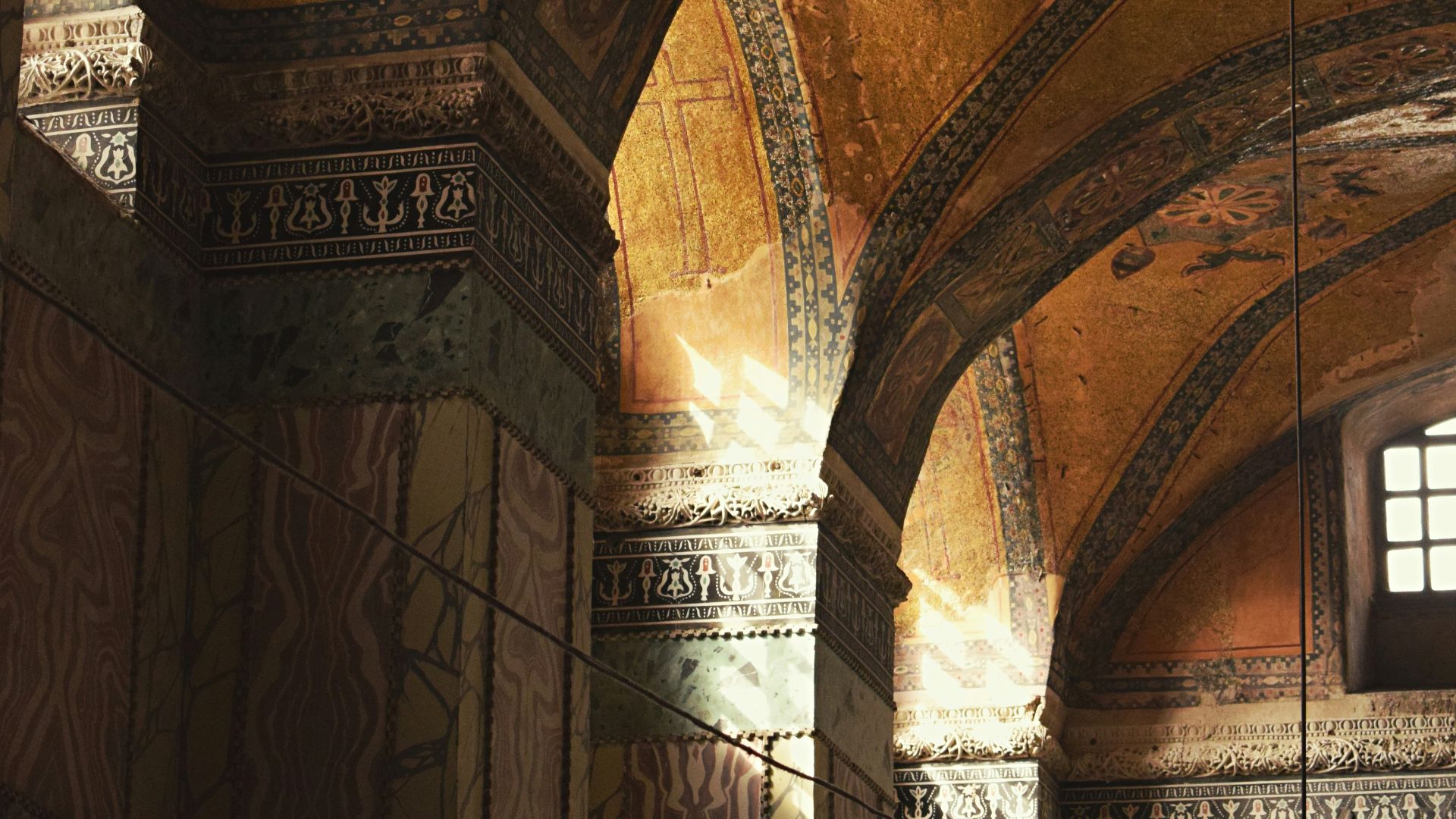
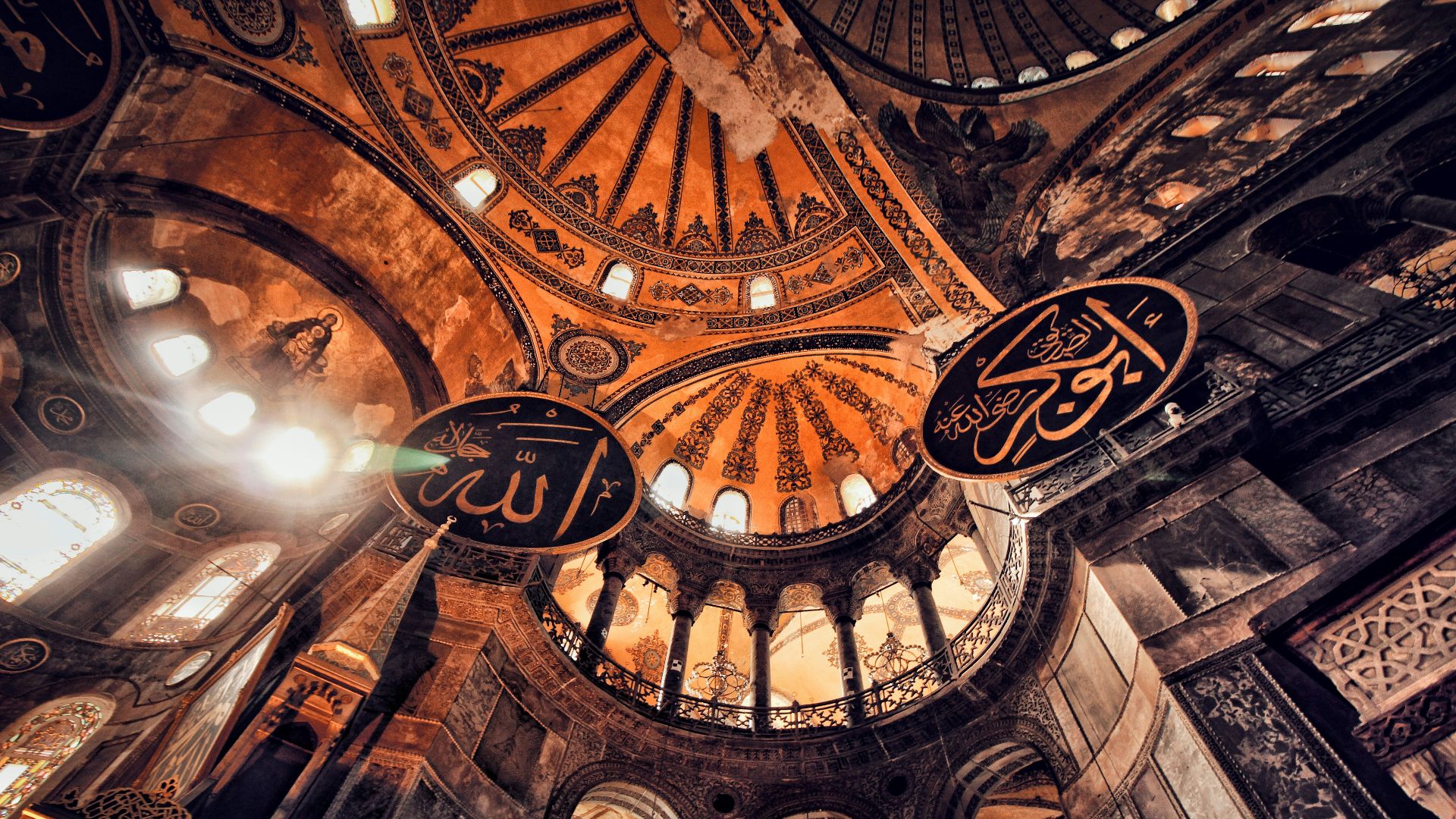
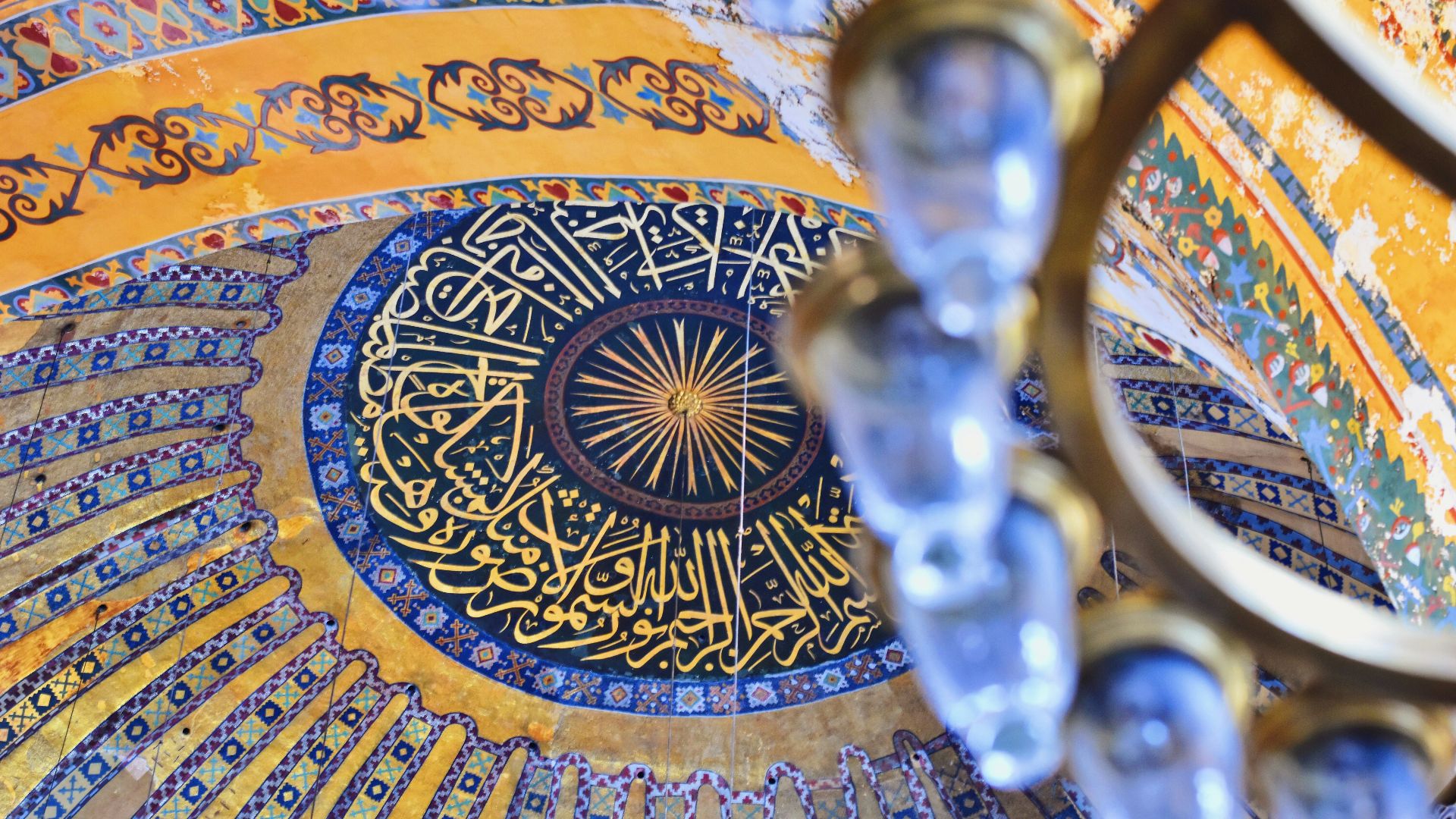
Stepping inside Hagia Sophia is an unforgettable experience. Golden Byzantine mosaics shimmer high above massive marble columns, while giant Arabic calligraphy medallions dominate the interior space. Some of the most famous mosaics include depictions of the Virgin Mary, Christ Pantocrator, and Byzantine emperors. The marble floors, intricate ceilings, and filtered sunlight create an atmosphere that feels grand and deeply spiritual. Because the building evolved over many centuries, every corner reveals layers of artistic and religious history.
What First-Time Visitors Should Know Before Visiting
As Hagia Sophia is now an active mosque, visitors should plan respectfully. Modest clothing is required, and women are expected to cover their heads when entering prayer areas. Visiting outside major prayer times often provides a quieter experience. The building can become extremely crowded during peak tourist seasons, so arriving early in the morning is usually the best strategy. Travelers should also remember that while entrance policies may change, Hagia Sophia remains one of Istanbul’s most visited landmarks year-round.
Why Hagia Sophia Still Defines Istanbul Today
More than almost any other monument, Hagia Sophia represents the identity of Istanbul itself: layered, multicultural, and constantly evolving. Byzantine Christianity, Ottoman Islam, imperial politics, art, and modern Turkish history all intersect within its walls. Whether you visit for architecture, religion, photography, or historical curiosity, Hagia Sophia offers something much deeper than sightseeing. It is one of the rare places in the world where the story of entire civilizations can still be felt the moment you walk through the doors.