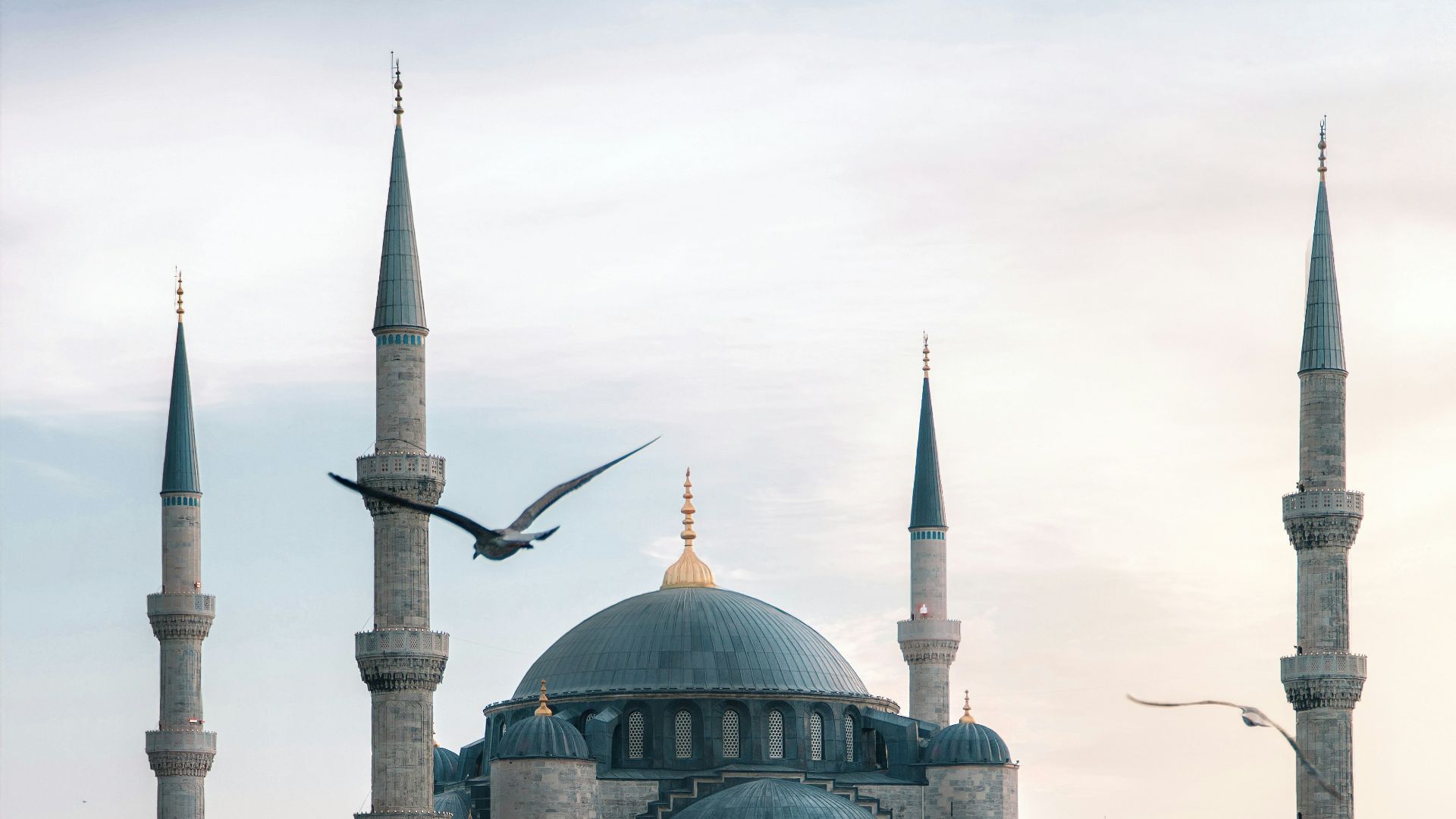
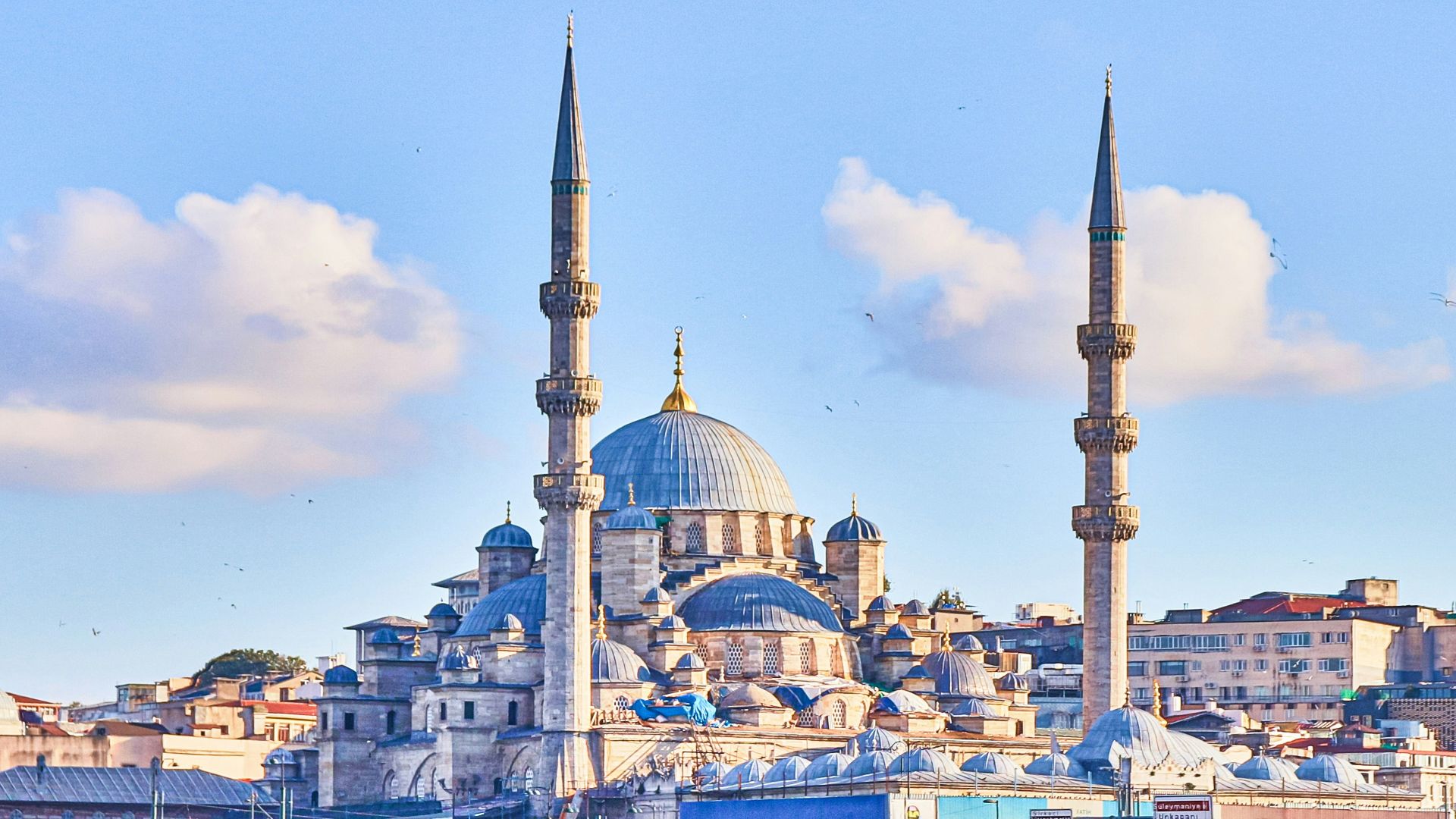
The Blue Mosque in Istanbul stands as one of the most iconic landmarks of the city, rising gracefully across from Hagia Sophia in the historic heart of Istanbul. Officially known as the Sultan Ahmed Mosque, it is not only a functioning place of worship but also a masterpiece of Ottoman architecture that reflects the ambition, artistry, and spiritual vision of the 17th century empire. Built between 1609 and 1616 under Sultan Ahmed I, the mosque was designed to rival the grandeur of Hagia Sophia while reaffirming Istanbul’s role as the centre of the Islamic world.
The Vision of Sultan Ahmed I
The mosque was commissioned by Sultan Ahmed I during a period when the Ottoman Empire sought to reaffirm its strength after military setbacks. Unlike earlier sultans, Ahmed I did not fund the project through war spoils, but instead invested heavily in creating a monumental religious complex. His goal was political as much as spiritual: to leave a lasting legacy in the imperial capital. The result was a structure that blends devotion with imperial ambition, anchoring itself permanently in Istanbul’s skyline.
Architectural Brilliance and Scale
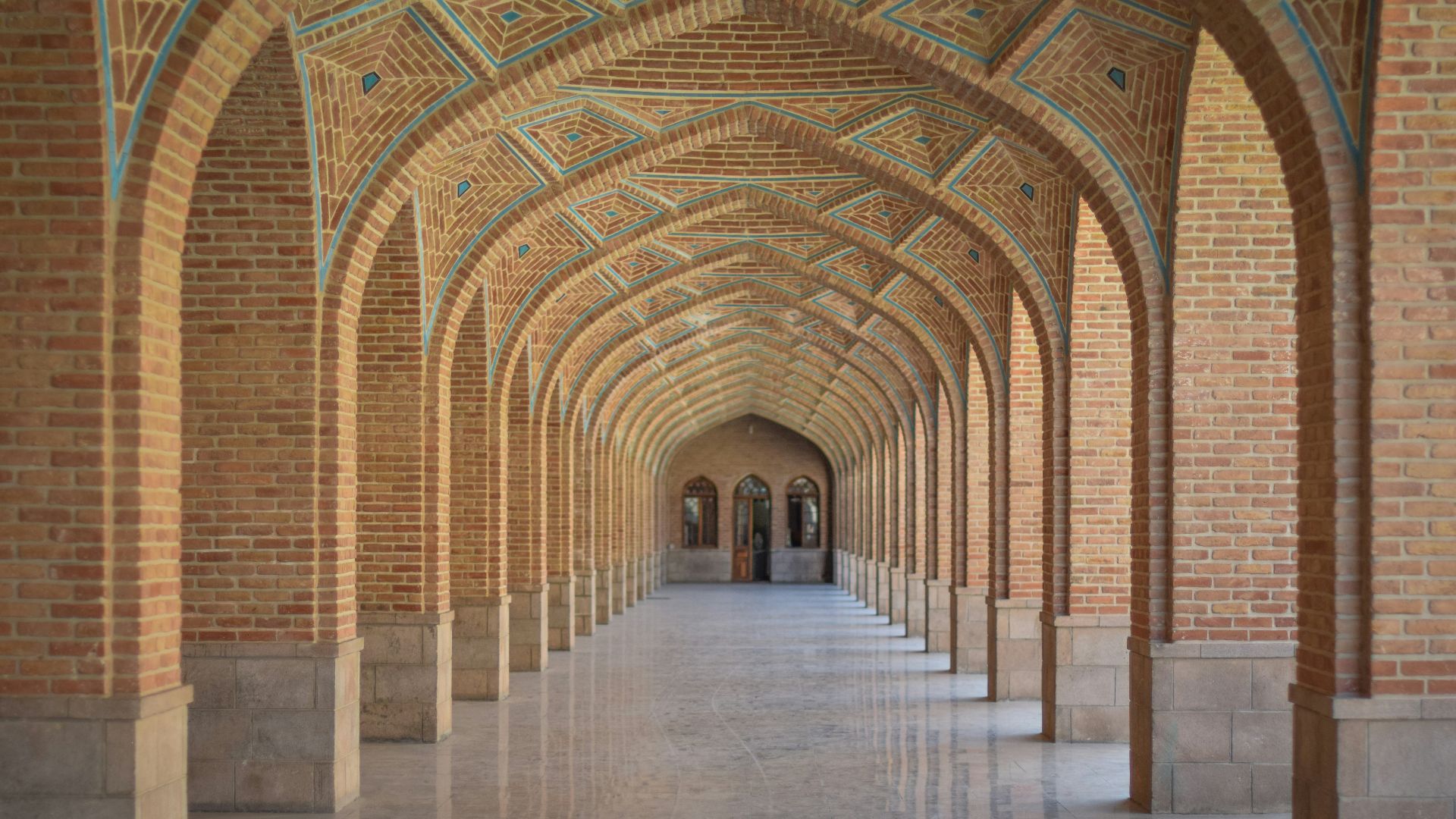
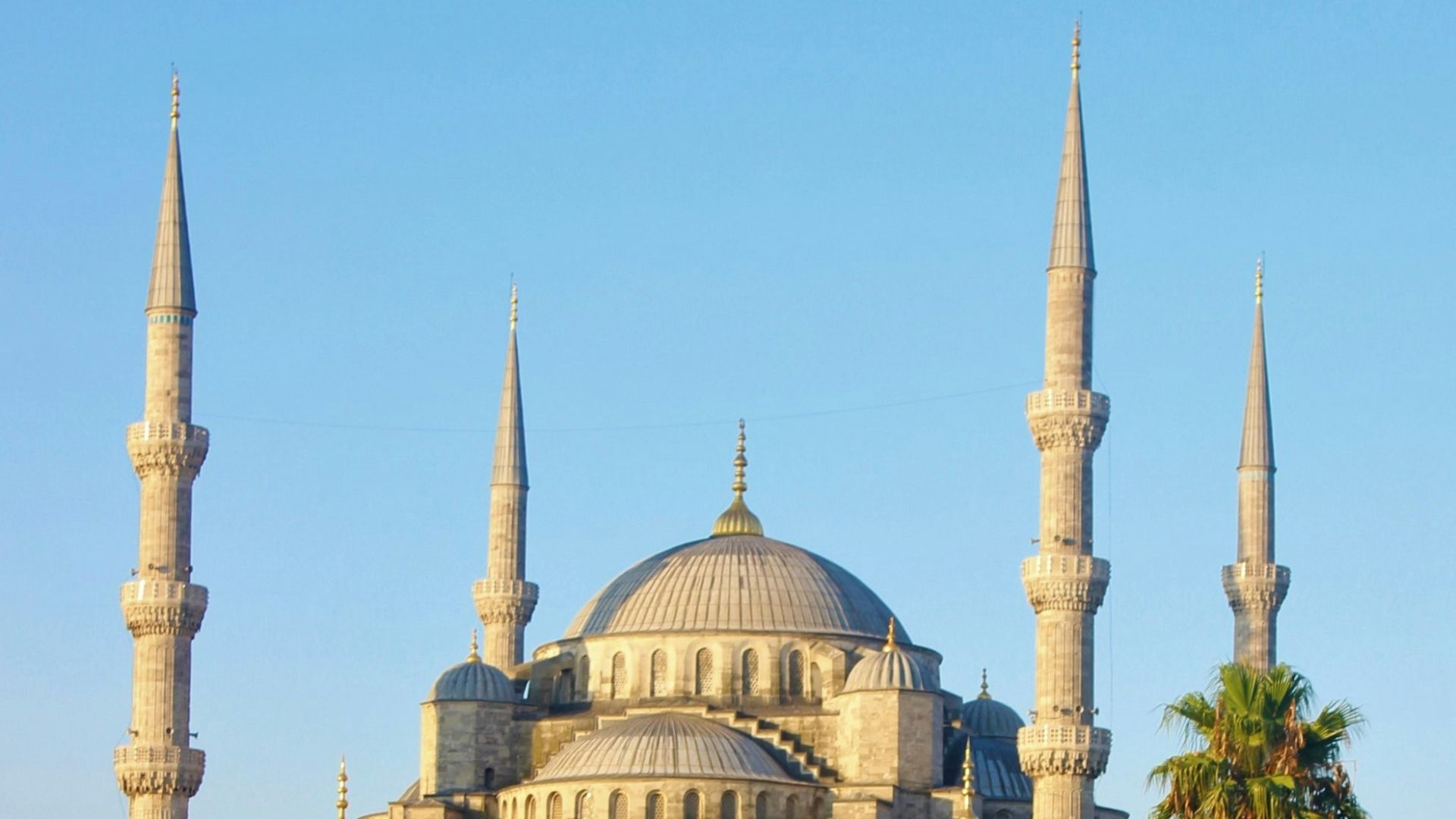
Designed by architect Sedefkâr Mehmed Ağa, the mosque represents the culmination of classical Ottoman architecture. Its cascading domes and semi-domes create a sense of upward movement, drawing the eye toward the central dome which rises over 40 meters high. Six slender minarets distinguish it from other mosques of its time, a feature that initially sparked controversy because only the mosque in Mecca shared that number. The vast courtyard and harmonious proportions give the structure a balanced elegance that continues to impress visitors.
 Ivelina Valchanova on Unsplash
The Famous Blue İznik Tiles
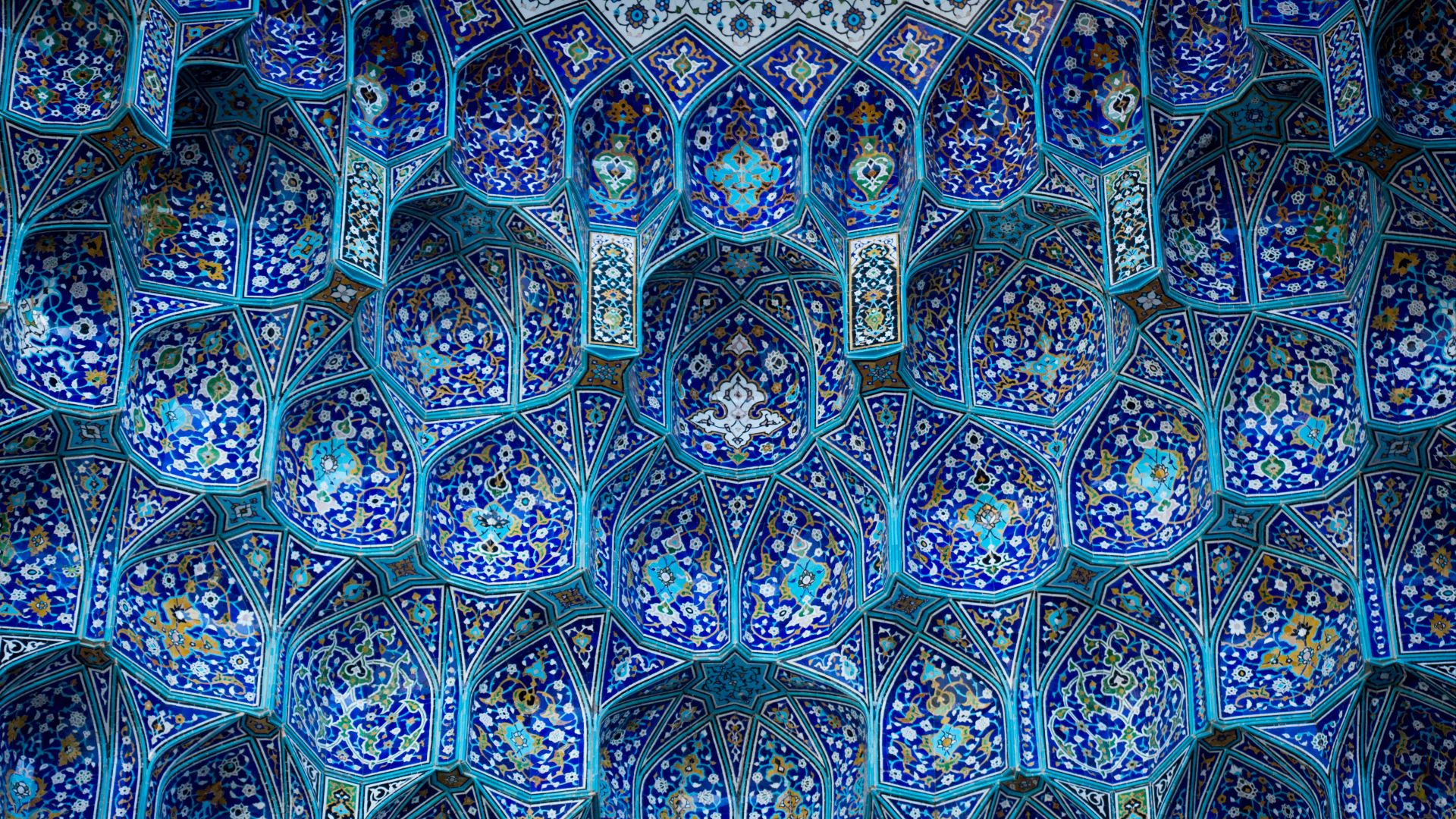
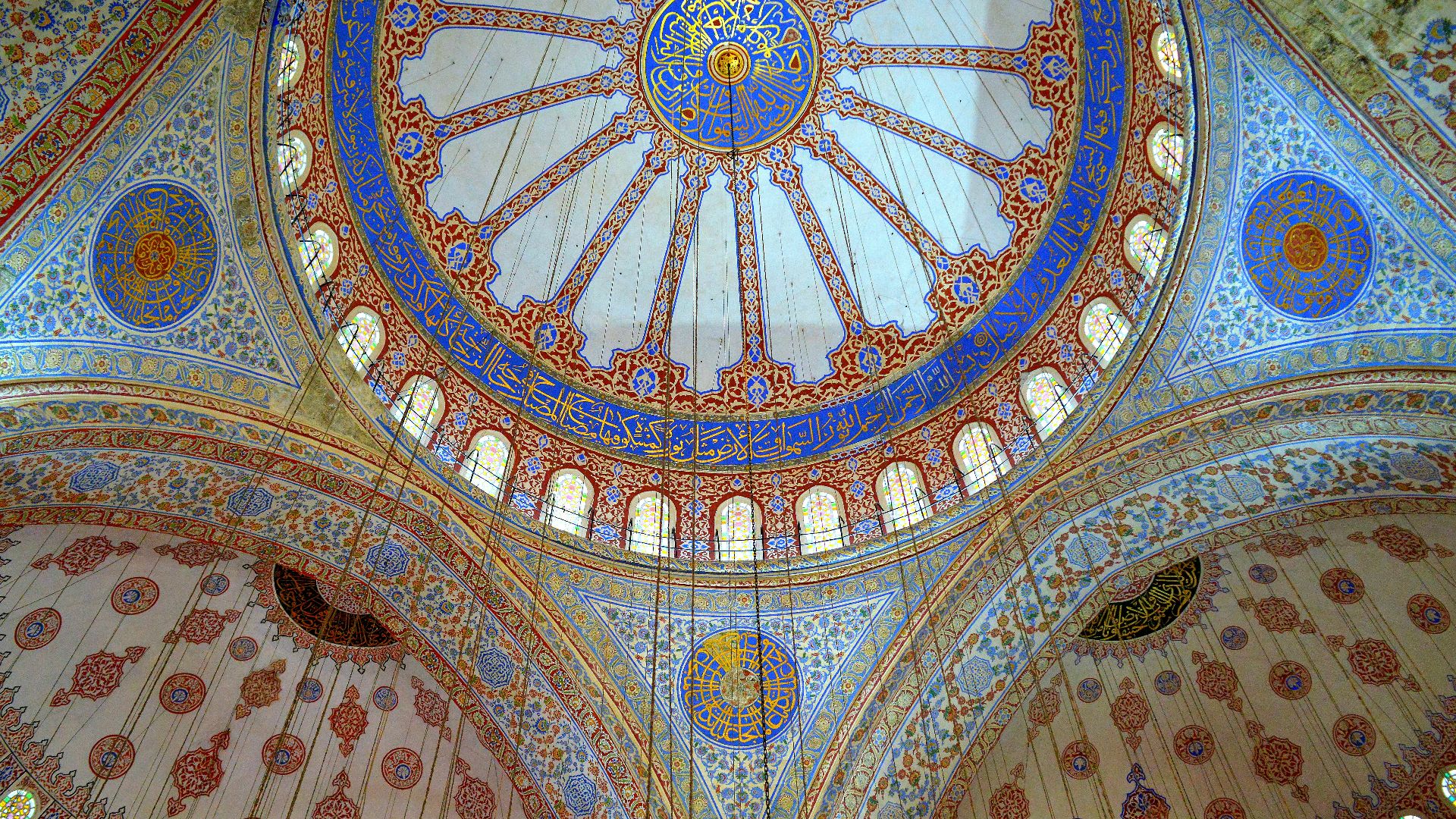
The mosque earns its popular name from the thousands of hand-painted blue İznik tiles that decorate its interior walls. These tiles feature intricate floral motifs (tulips, roses, and cypresses) that reflect the Ottoman fascination with paradise imagery. At its peak, more than 20,000 tiles adorned the interior, catching natural light from over 200 stained glass windows. The effect is a soft, luminous blue glow that changes throughout the day, creating a serene atmosphere inside the prayer hall.
 Soroush H. Zargarbashi on Unsplash
A Living Place of Worship
Unlike many historic monuments, the Blue Mosque remains an active place of worship. Daily prayers still take place, and visitors are welcomed outside prayer times with respect for Islamic customs. The mosque can accommodate tens of thousands of worshippers, particularly during Friday prayers and religious festivals. This dual identity, as both a sacred space and a major tourist attraction, gives it a unique rhythm that blends everyday spiritual life with global cultural interest.
Visiting the Blue Mosque Today
Today, the Blue Mosque is part of Istanbul’s historic Sultanahmet district, surrounded by other landmarks such as Hagia Sophia and the Hippodrome. Visitors are expected to dress modestly, remove their shoes, and maintain a respectful silence inside. Entry is free, though donations are appreciated for maintenance. Early morning or late afternoon visits offer the most peaceful experience, when the crowds thin and sunlight filters beautifully through the stained glass windows. The Blue Mosque remains one of the most powerful symbols of Istanbul’s layered history, where empires, faiths, and architectural traditions converge in one unforgettable space.