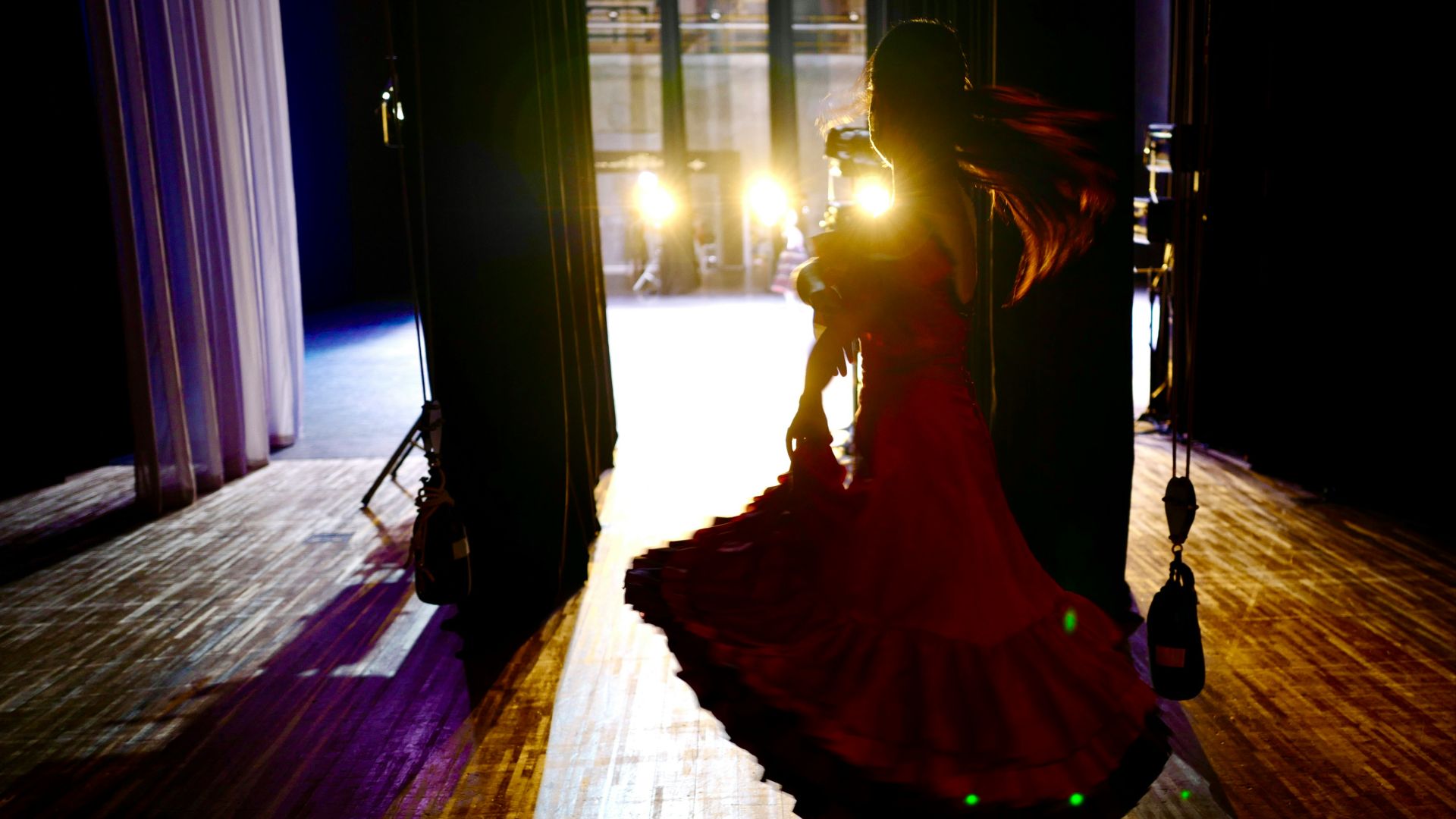
Flamenco in Seville is one of Spain’s most powerful cultural traditions, deeply rooted in Andalusian history and lived experience. Far from being just a tourist performance, it is an expressive art form shaped by centuries of cultural exchange, emotion, and storytelling. Today, Seville remains one of the best places in the world to experience authentic flamenco shows, where music, dance, and rhythm come together intimately and unforgettably.
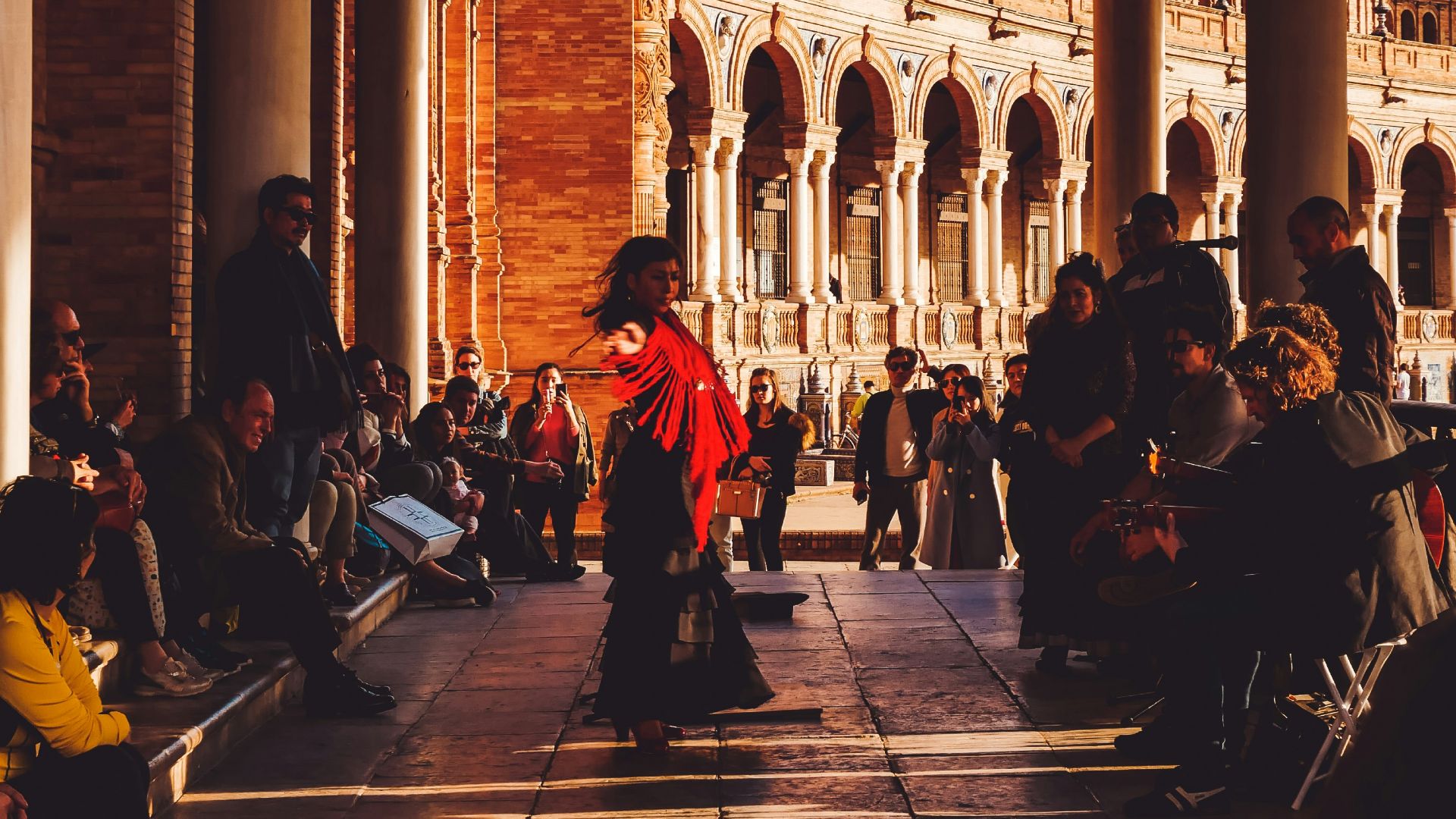
The Origins of Flamenco in Andalusia
Flamenco developed in southern Spain, particularly in Andalusia, as a blend of Romani (Gitano), Moorish, Jewish, and local Andalusian influences. Emerging more in the 18th century, it evolved organically within communities rather than formal institutions. Early flamenco was expressed through song (cante), dance (baile), and guitar (toque), often performed in homes and informal gatherings where emotion and storytelling were central. The themes of flamenco reflect everyday life, making it a deeply human form of expression: love, struggle, joy, and loss. As it evolved, it began to take on more structured forms, but it never lost its emotional core. By the 19th century, flamenco had moved into cafés cantantes, where it became a public performance art while still preserving its raw intensity and cultural depth.
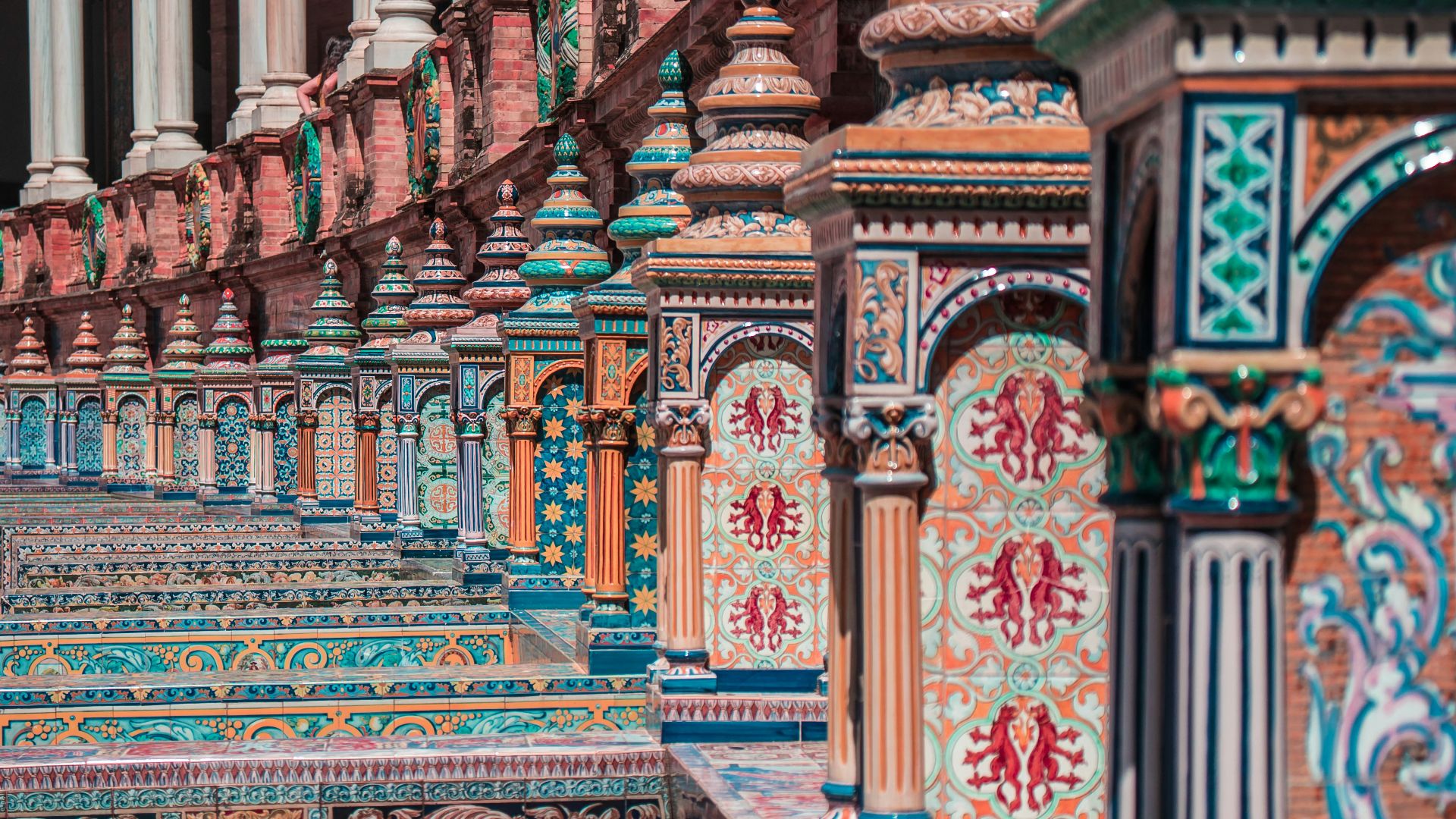
Seville as the Heart of Flamenco Culture
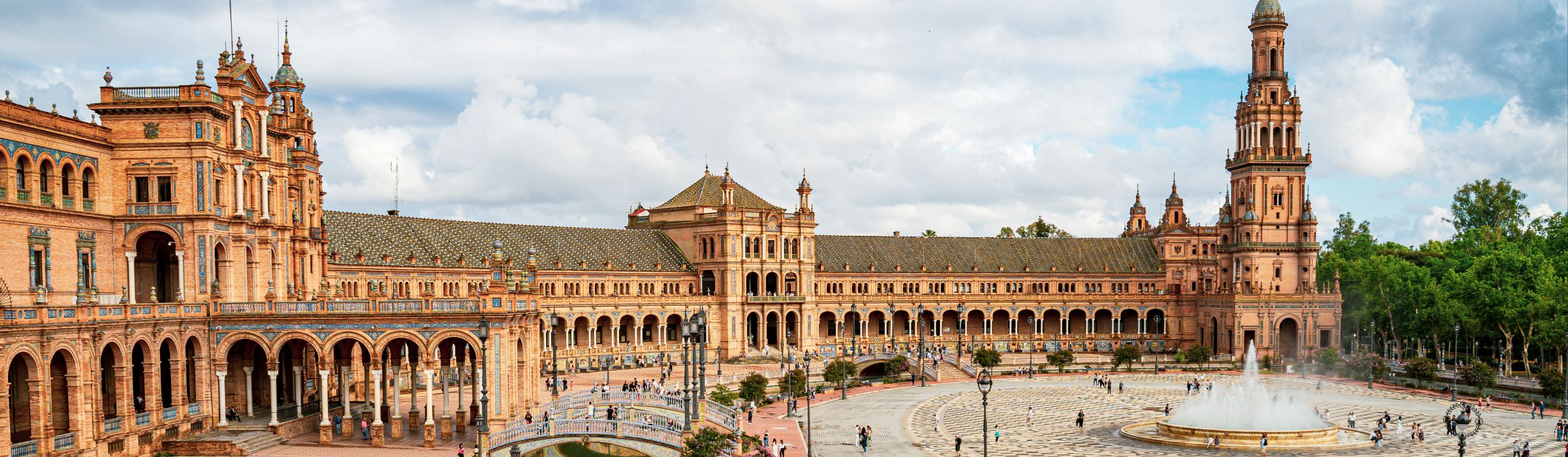
While flamenco exists across Andalusia, Seville became one of its most important cultural centres. During the 19th century, cafés cantantes were home to where performers could reach wider audiences while maintaining flamenco's emotional authenticity. This period firmly established Seville as a key destination for flamenco music and dance. The city’s neighbourhoods also played a major role in shaping its identity. Different communities developed distinct styles, contributing to the diversity of flamenco expression. Even today, Seville maintains a strong connection to its flamenco roots, with performances that reflect both tradition and evolution. Watching flamenco here feels like experiencing a living cultural heritage rather than a staged show.
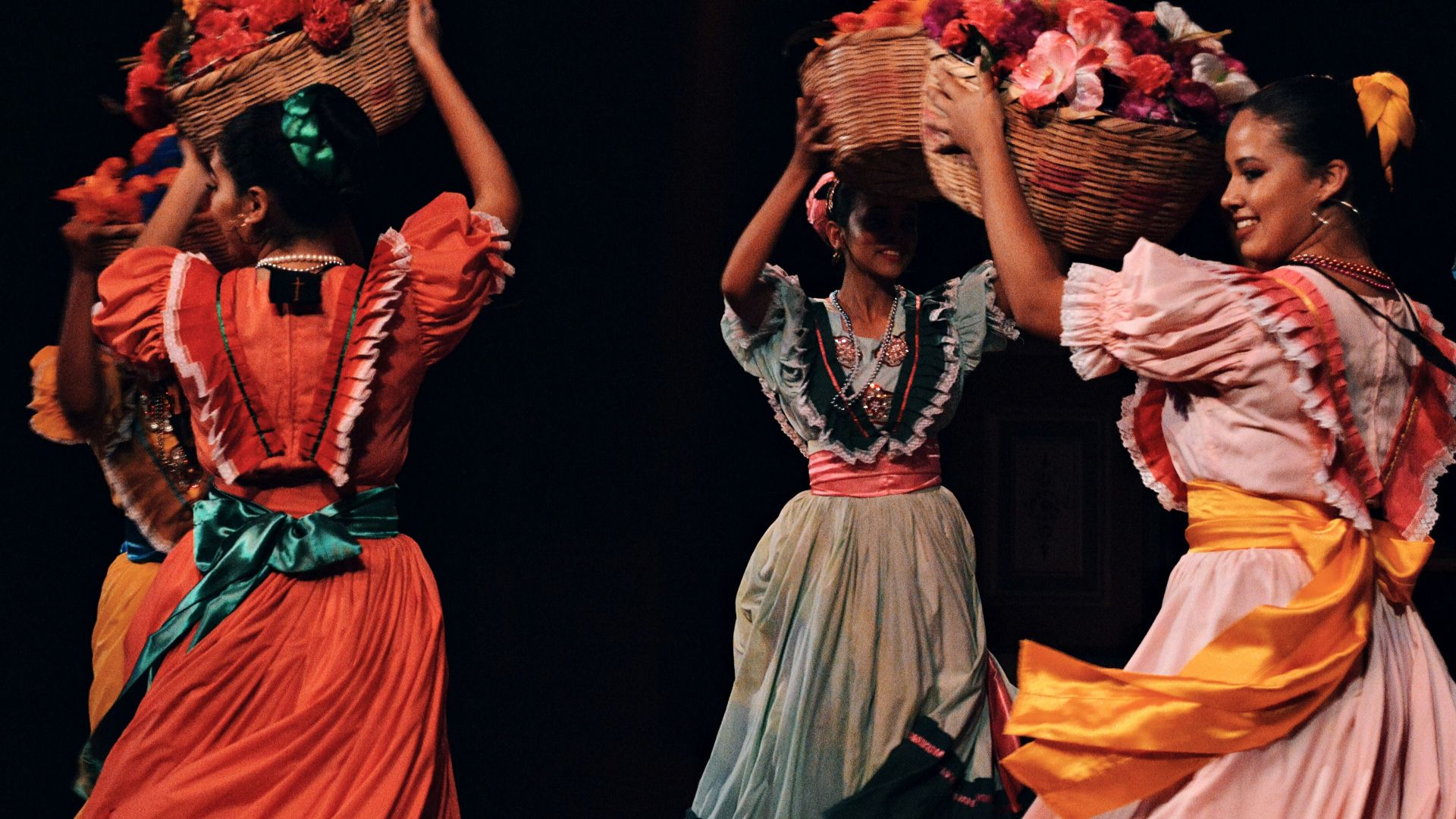
Triana and Santa Cruz: The Birthplaces of Flamenco Atmosphere
Neighbourhoods like Triana are deeply tied to flamenco history, often associated with Romani communities and legendary performers. Across the river, Santa Cruz offers narrow streets and intimate plazas where the atmosphere naturally feels connected to the art form. These districts are still some of the best places to feel flamenco’s cultural roots beyond the stage.
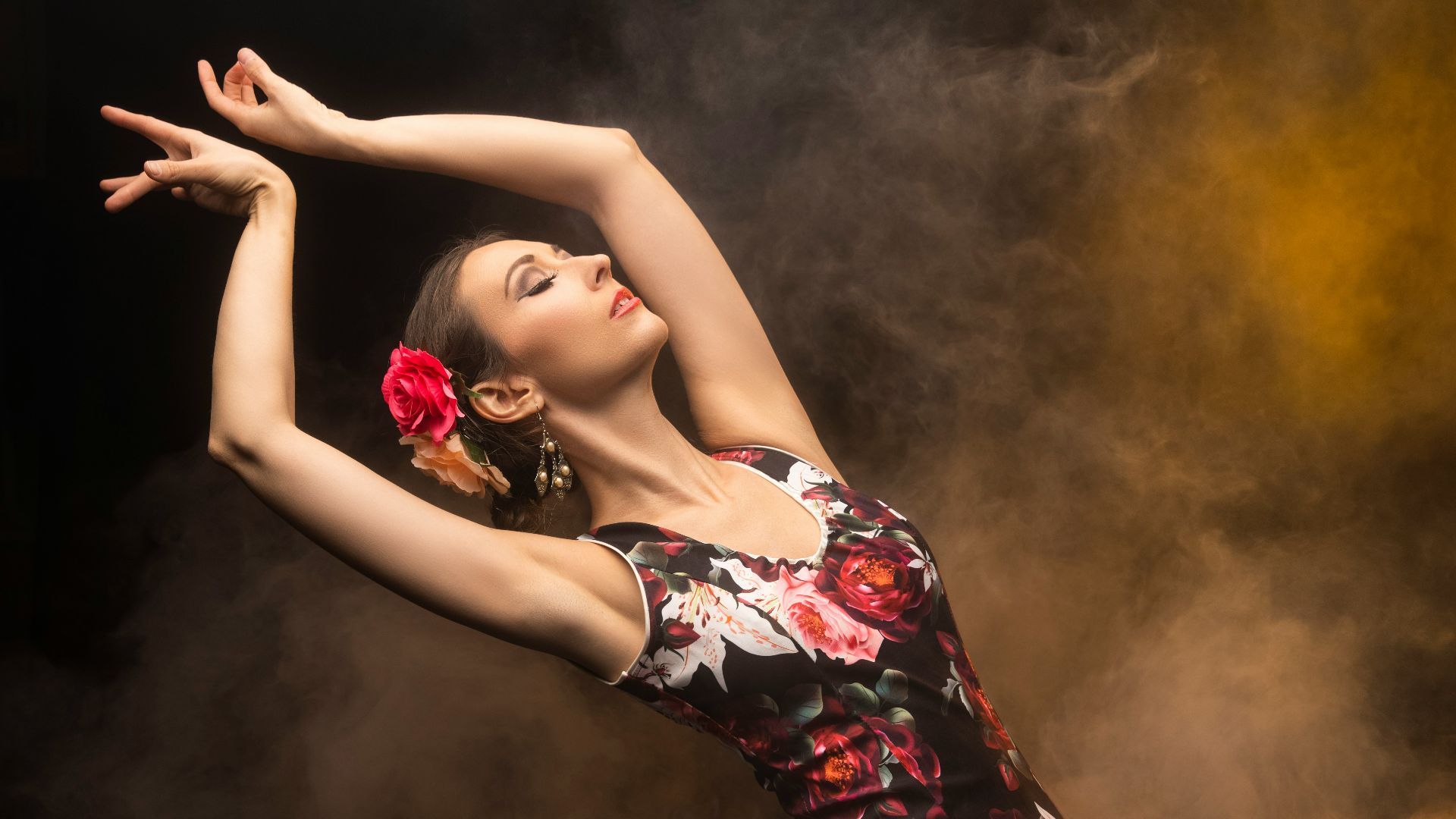
Best Flamenco Shows in Seville 2026
For travellers searching for the best flamenco shows in Seville, the city offers a range of authentic venues. Casa de la Memoria is known for its intimate, stripped-back performances that focus entirely on tradition. Tablao El Arenal delivers a balanced experience of professionalism and authenticity, while El Palacio Andaluz offers a larger-scale, theatrical interpretation of flamenco for those wanting a more dramatic evening.
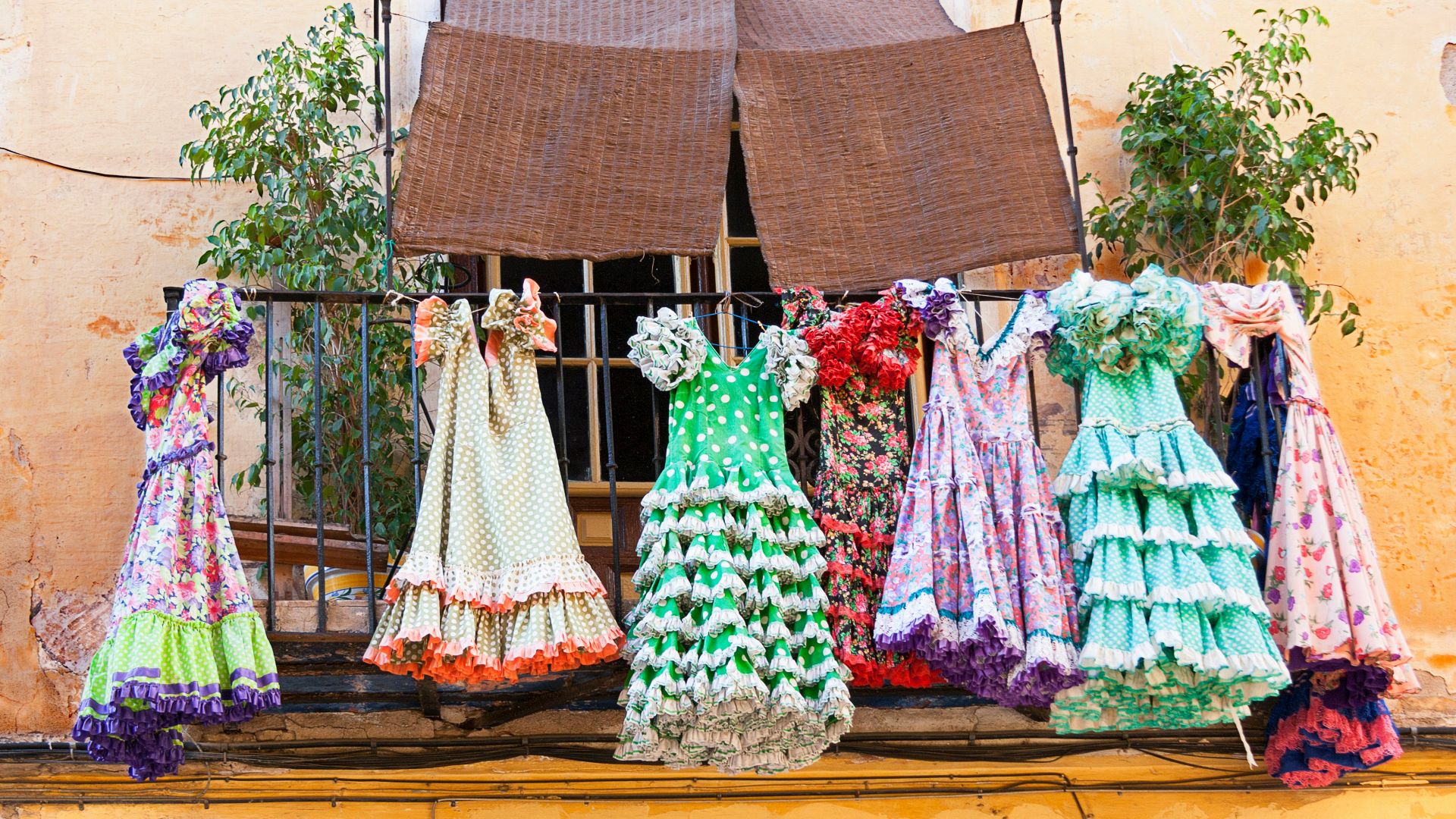
How to Experience Flamenco Like a Local
To get the most out of flamenco in Seville, choose smaller venues where you can feel the intensity up close. Evening performances tend to carry more energy, and the best shows often rely on silence and attention rather than spectacle. Instead of treating it like a tourist activity, approach it as a cultural experience. Take the time to explore rhythm, emotion, and storytelling as they take center stage.