Few foods are as instantly comforting or as closely tied to Spanish daily life as churros. These sweet treats are crisp on the outside, soft on the inside, and often paired with thick hot chocolate. Across Spain, churros are part of a long-standing food culture that stretches from early morning breakfasts to late-night stops after an evening out. Whether you’re in a busy city or a quiet neighbourhood café, understanding their history and where to find the best ones adds a whole new layer to the experience.
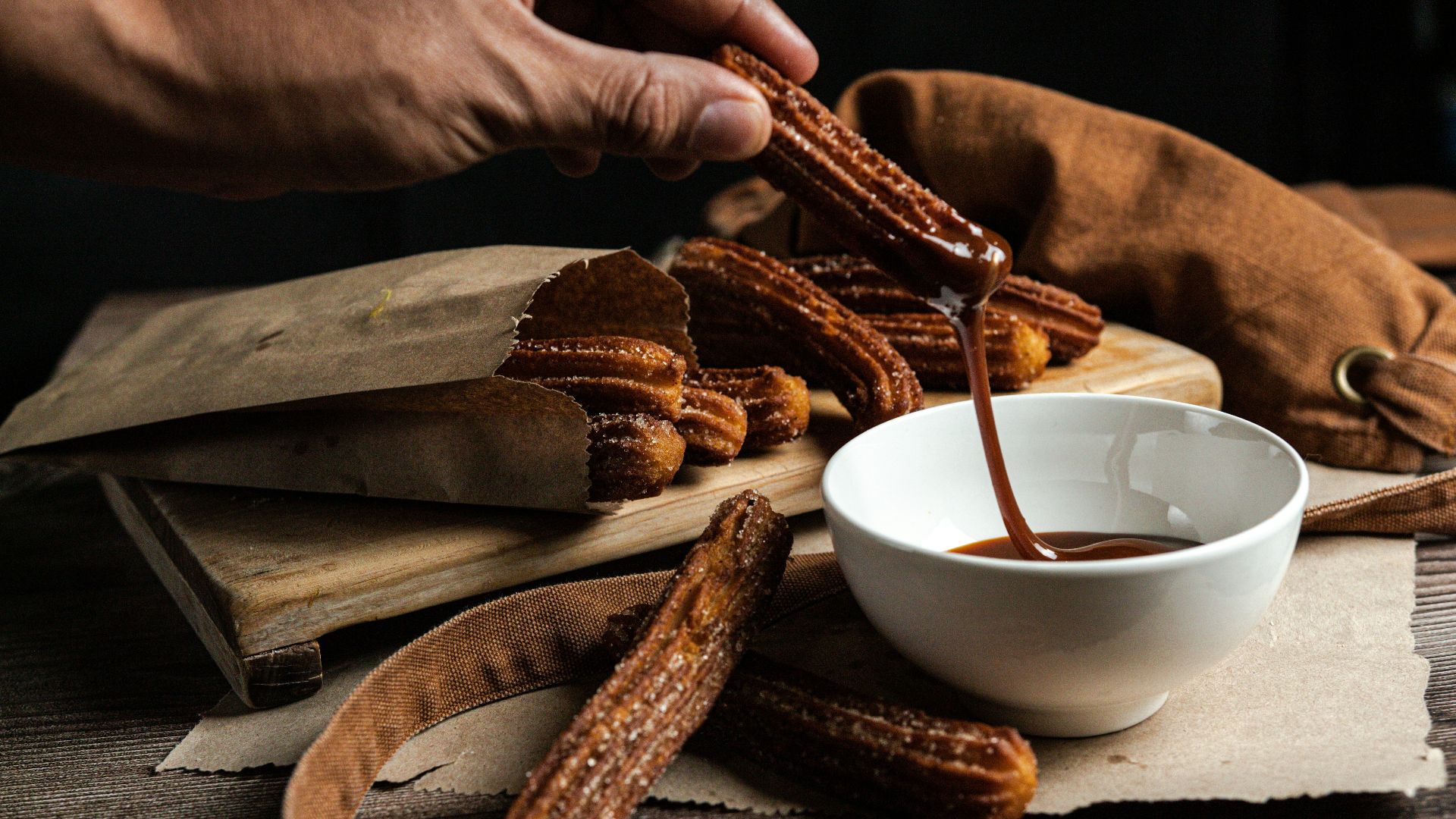
The Origins of Churros
The exact history of churros is debated, but many believe they were influenced by fried dough traditions brought to Spain centuries ago. One popular theory links them to Spanish shepherds, who created a simple dough that could be fried over an open fire in the mountains. Another theory points to culinary exchanges with China, where similar fried dough pastries existed long before arriving in Europe. Over time, churros became a staple across Spain, evolving into the ridged, star-shaped pastries recognised today and firmly embedding themselves in Spanish food culture.
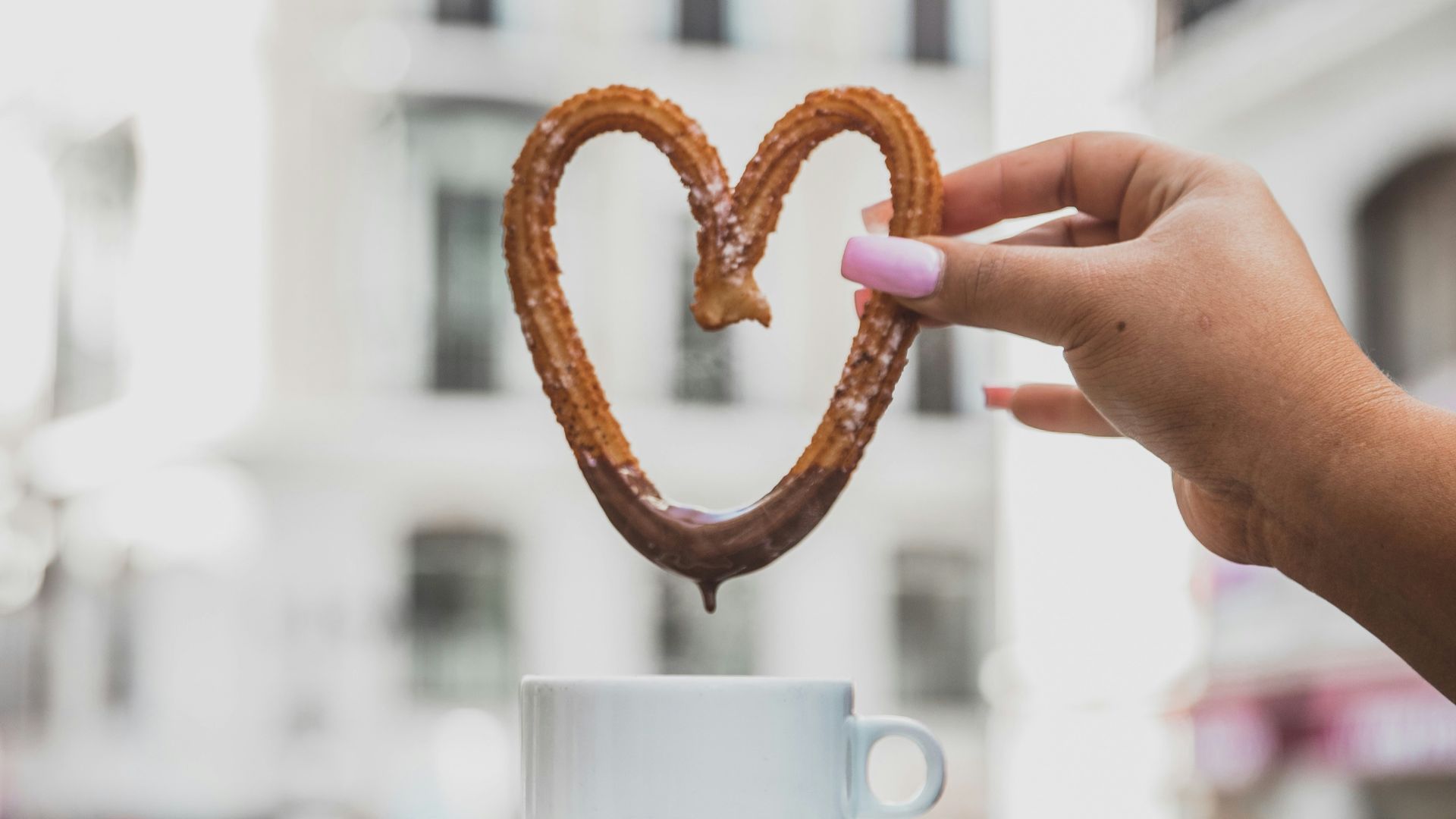
How Churros Are Made
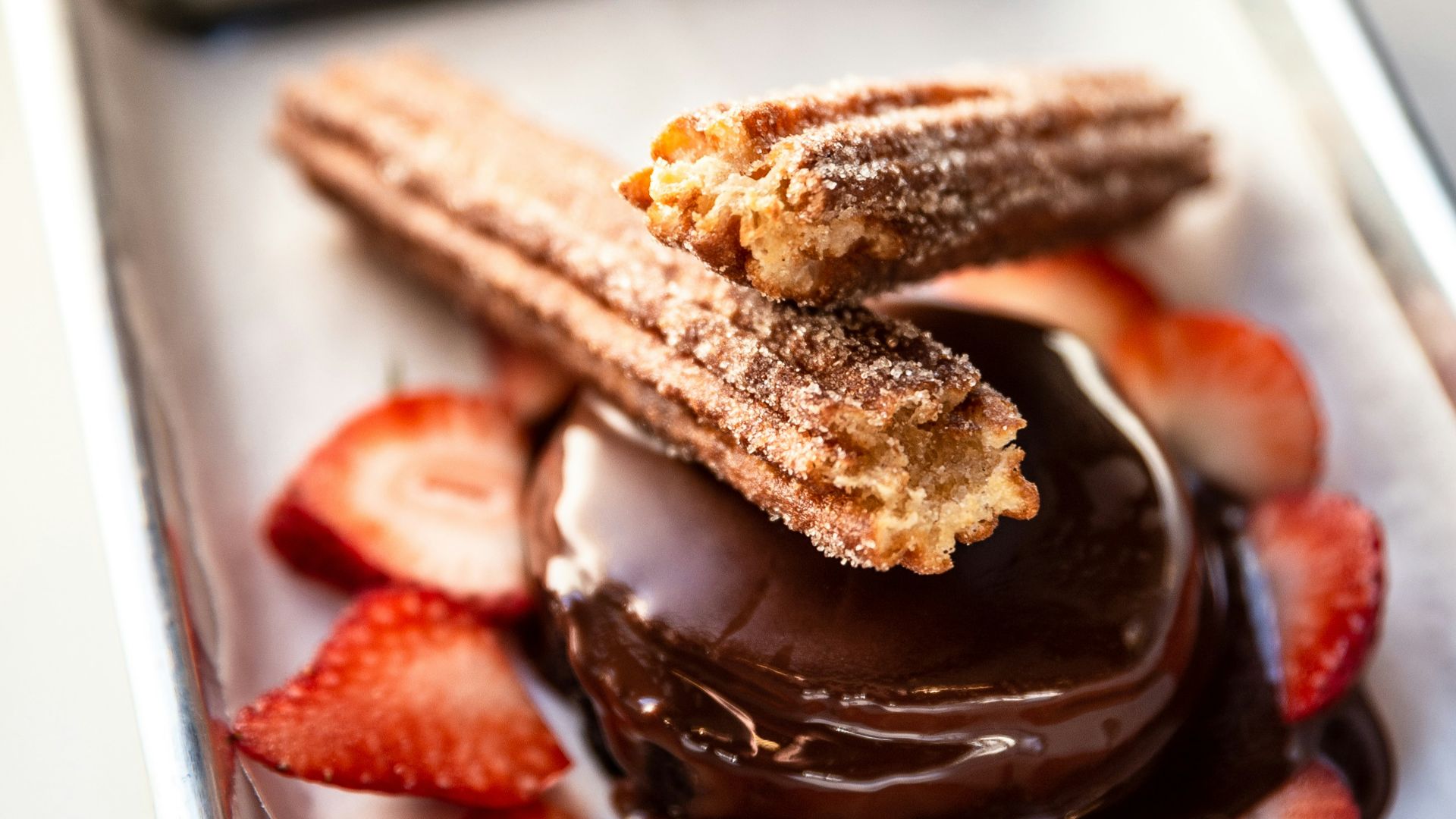
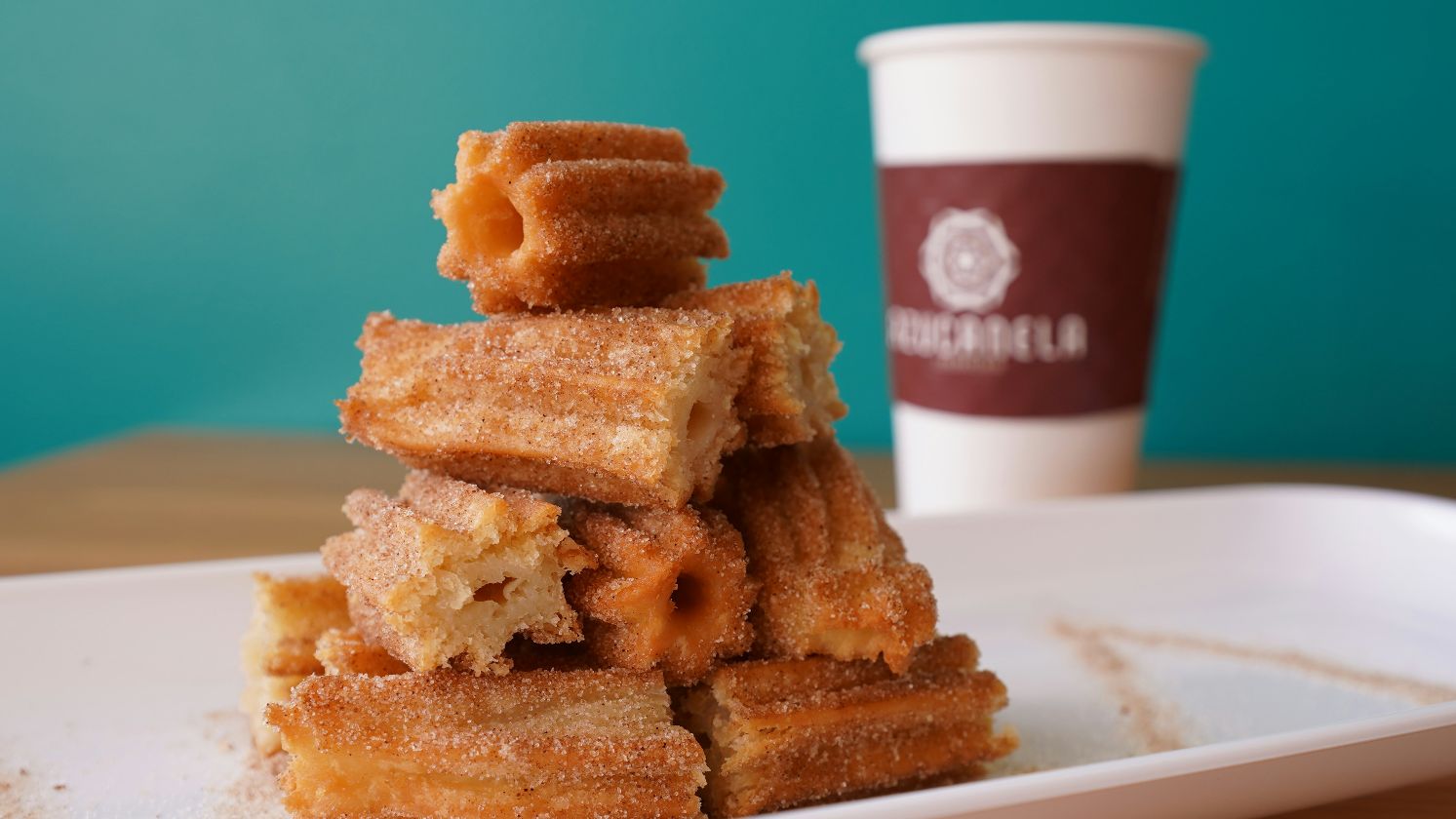
At their core, churros are deceptively simple. The dough is made from flour, water, and a pinch of salt, then piped through a star-shaped nozzle into hot oil, creating their signature ridges. Once fried to a golden crisp, they’re often dusted lightly with sugar. In many places, especially in cities like Madrid, churros are served alongside thick, rich hot chocolate designed more for dipping than drinking. Variations exist, including porras, which are thicker, softer, and slightly airier than traditional churros.
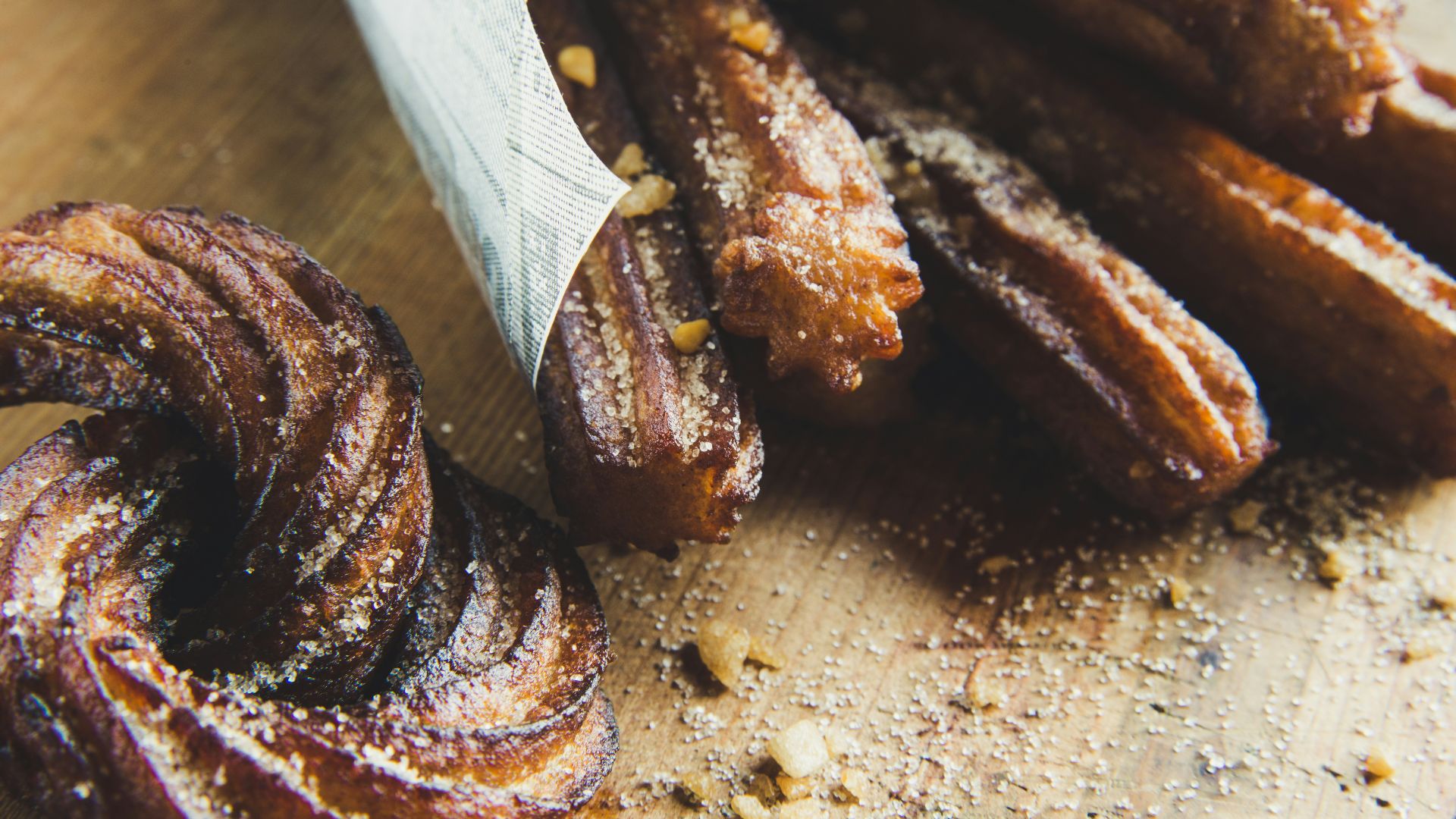
Where Churros Are Most Popular
While churros are enjoyed across Spain, they’re especially associated with major cities where café culture thrives. In Madrid, stopping for churros and chocolate is practically a ritual, whether in the early morning or late at night. In Barcelona, you’ll find them in both traditional cafés and modern bakeries, often served with a variety of dipping options. Across the country, churros are also a staple at festivals, fairs, and local markets, where the scent of frying dough draws people in.
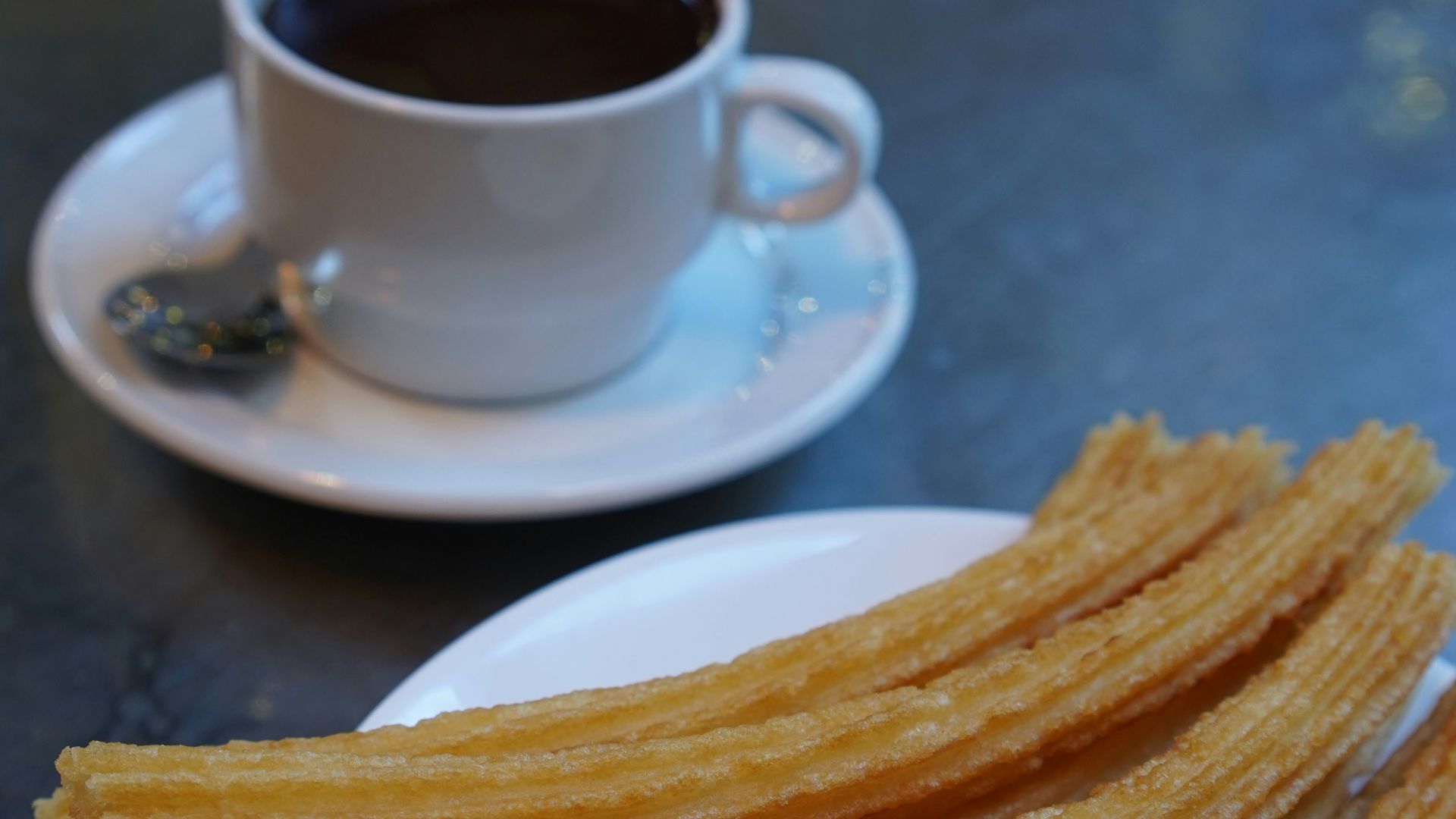
Historic Places to Eat Churros in Spain
Some of the most memorable churro experiences come from historic cafés that have been serving them for generations. Chocolatería San Ginés, founded in 1894, is one of the most famous spots, known for its classic churros and thick chocolate served around the clock. In Barcelona, Granja M. Viader offers a more traditional, old-world setting. These places are part of the cultural experience, where the atmosphere matters just as much as the food.
How to Enjoy Churros Like a Local
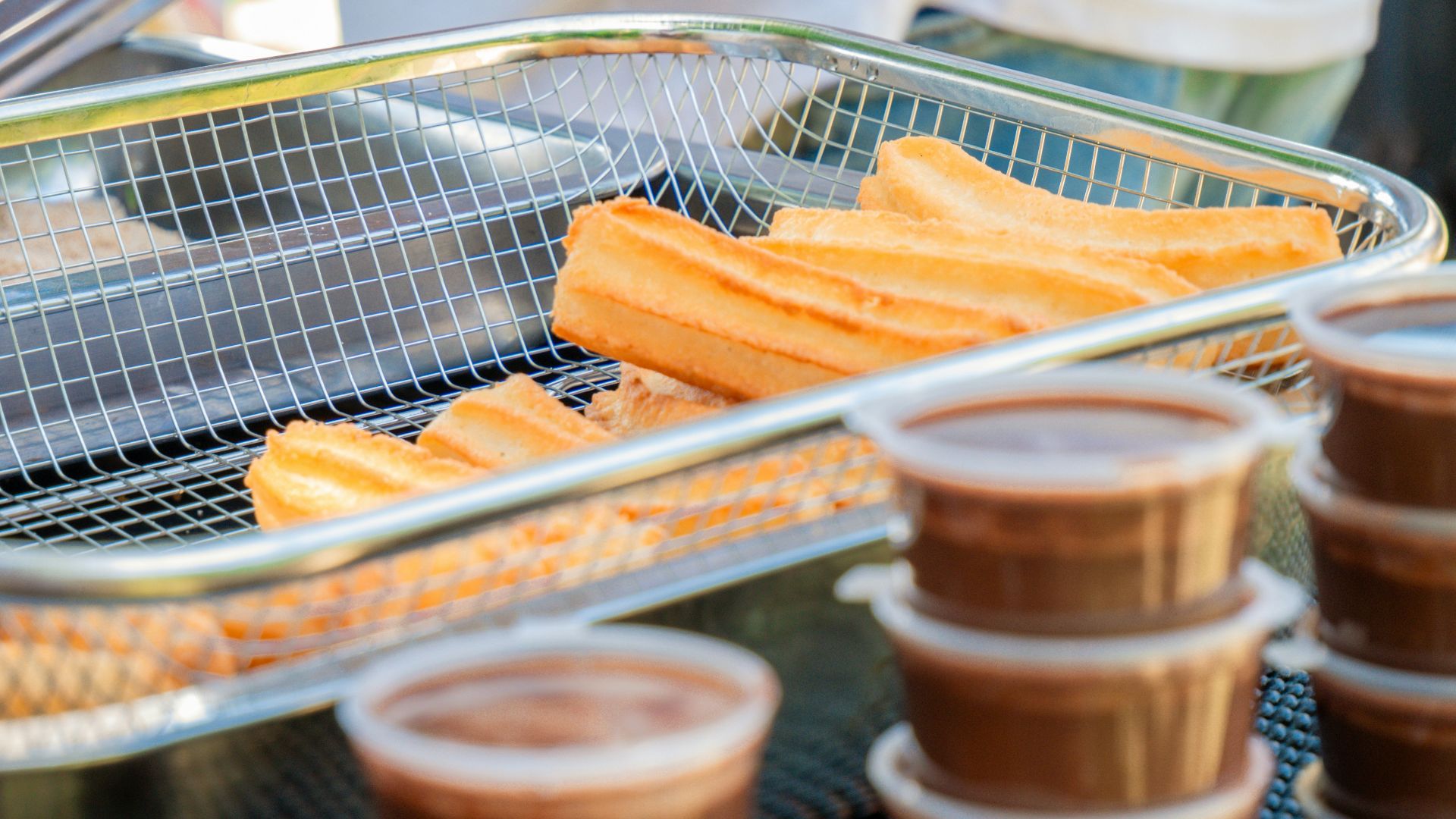
To experience churros like a local, timing matters. They’re often eaten for breakfast or as a late-night treat rather than a midday snack. Instead of grabbing them on the go, sit down, order a portion to share, and take your time. Dip each piece into hot chocolate, enjoy the contrast of textures, and pay attention to the rhythm around you. In Spain, churros are about the taste, yes, but sharing them is also a chance to slow down and be part of a simple, everyday ritual that hasn’t changed much over time.