
Turkish Coffee in Istanbul: History, Rituals & the Best Places to Experience This Timeless Tradition
Turkish Coffee in Istanbul: History, Rituals & the Best Places to Experience This Timeless Tradition
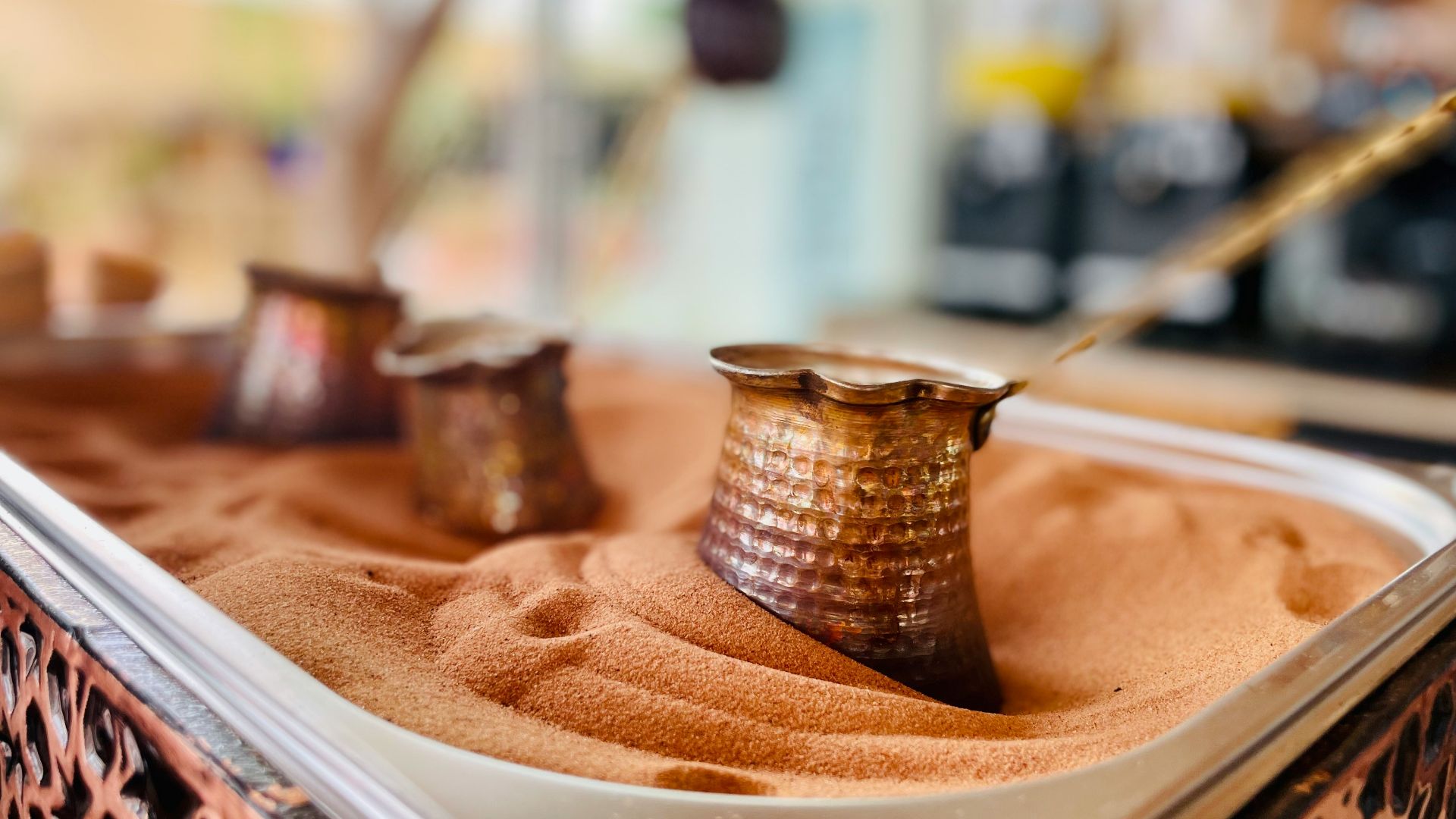
In Istanbul, coffee is all about ritual, hospitality, conversation, and history poured into a tiny cup. Long before modern cafés and takeaway coffees became global habits, Turkish coffee shaped social life across the Ottoman Empire. Rich, thick, and intensely aromatic, it remains one of the city’s most treasured cultural traditions. Walking through Istanbul today, you’ll still find copper coffee pots bubbling over hot sand, elderly men gathered in historic coffeehouses, and shop windows stacked with fragrant beans and ornate cups. For first-time visitors, discovering Turkish coffee is one of the most authentic ways to understand the spirit of the city.
The Ottoman Origins of Turkish Coffee
Coffee first arrived in Istanbul during the 16th century, likely brought from Yemen through Ottoman trade routes. It quickly became fashionable within the imperial court of Sultan Suleiman the Magnificent, where specially trained coffee makers prepared elaborate brews for the palace. From there, coffeehouses spread rapidly across the city. These cafés became gathering places for writers, merchants, artists, and political thinkers, transforming Istanbul into one of the world’s earliest coffee capitals. At times, coffeehouses were even viewed as politically dangerous because people gathered there to debate ideas and exchange news. Despite occasional bans by Ottoman rulers, coffee culture survived and flourished, becoming deeply woven into everyday Turkish life.
How Traditional Turkish Coffee Is Made
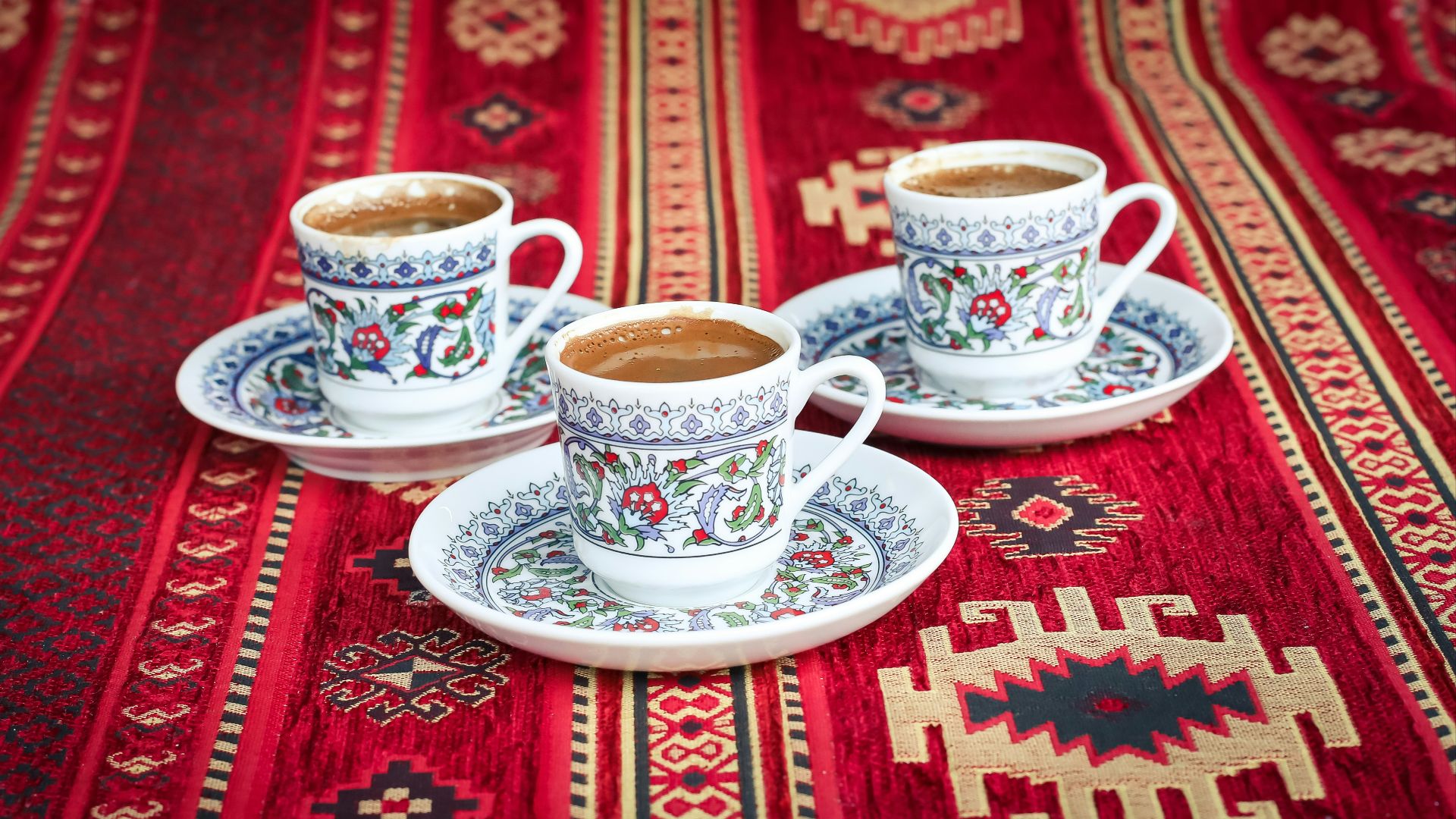
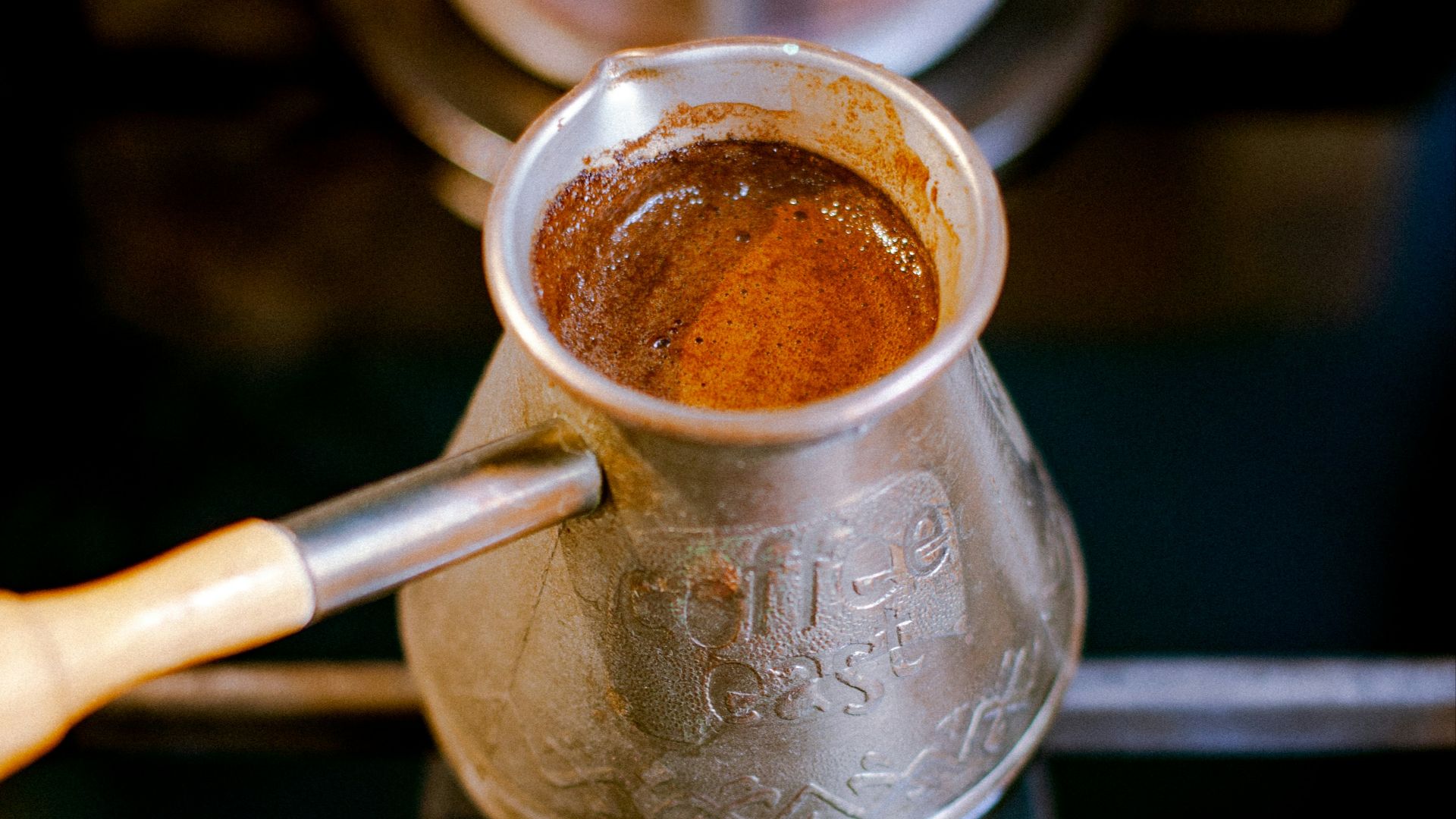
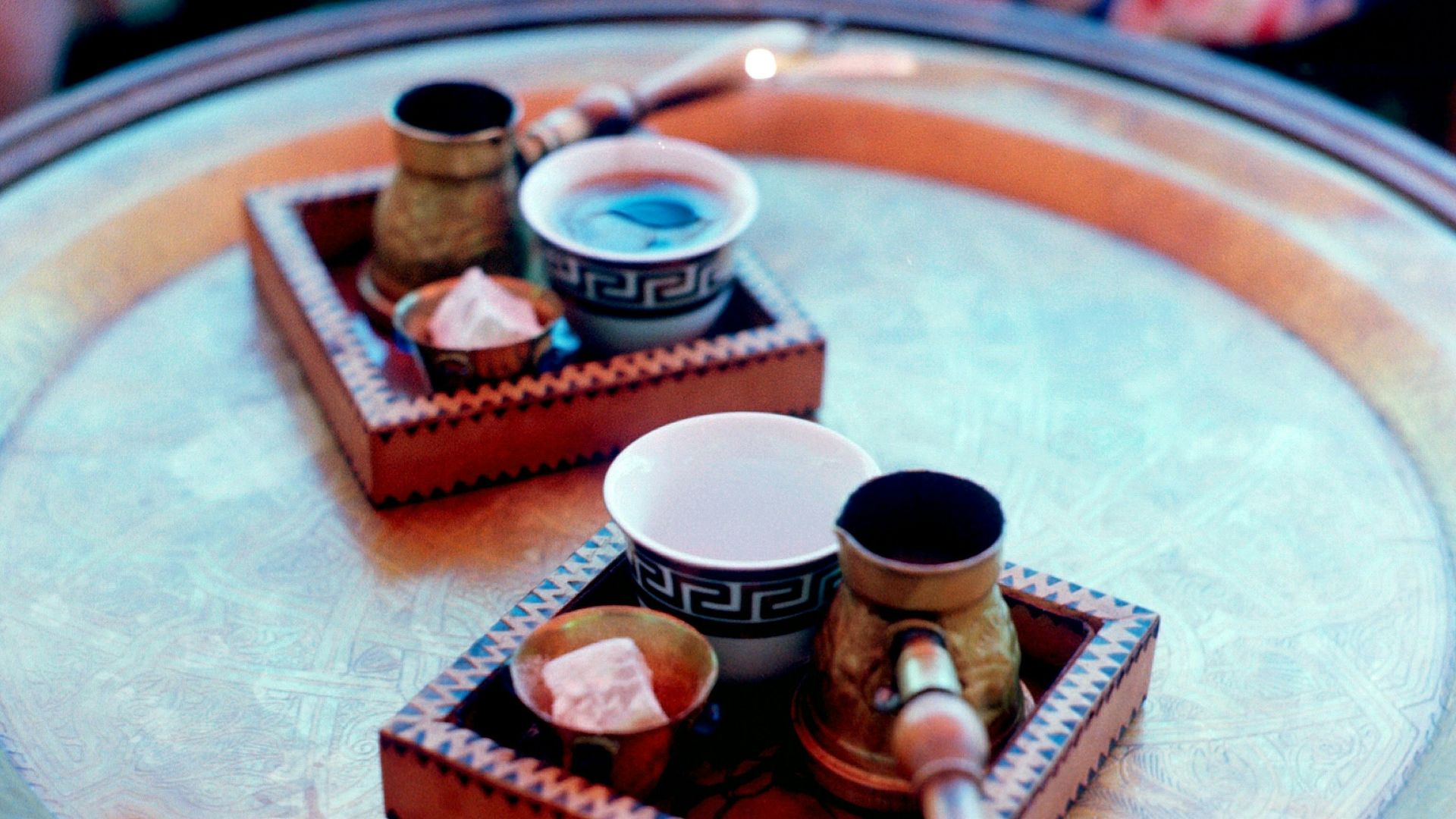
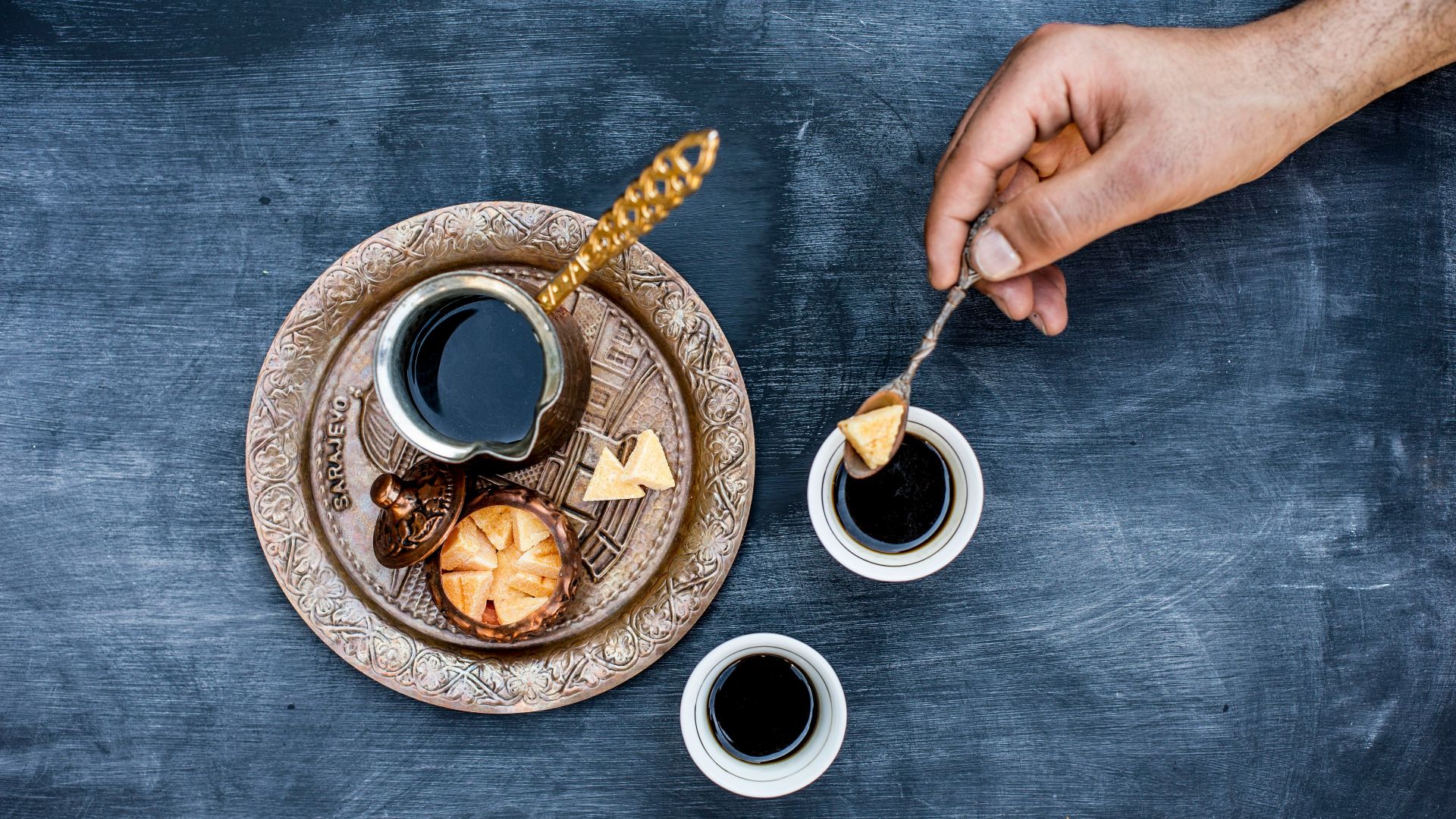
Unlike filtered or espresso-based coffee, Turkish coffee is brewed slowly in a small metal pot called a cezve. Finely ground coffee is combined with water, and often sugar before brewing, then heated gently until a rich foam forms on top. The coffee is never filtered, allowing the grounds to settle at the bottom of the cup. The process is careful and deliberate. Traditionally, the foam is considered the sign of a well-made coffee, and experienced servers pour it skillfully into tiny porcelain cups. The flavour is bold, earthy, and velvety, often accompanied by a glass of water and a piece of Turkish delight to cleanse the palate.
Coffee Customs and Social Rituals
Turkish coffee has long been tied to hospitality and social etiquette. Offering coffee to guests is considered a sign of welcome and respect. In Ottoman marriage traditions, prospective brides prepared coffee for the groom’s family as part of formal introductions. This is a custom still referenced today. Another beloved tradition is fortune telling. After finishing the coffee, the cup is turned upside down onto the saucer and allowed to cool. The shapes left by the coffee grounds are then interpreted symbolically, creating stories about love, travel, luck, or the future. Even in modern Istanbul, friends still gather over coffee to share conversation and playful readings.
 Considerate Agency on Unsplash
Historic Coffeehouses in Istanbul
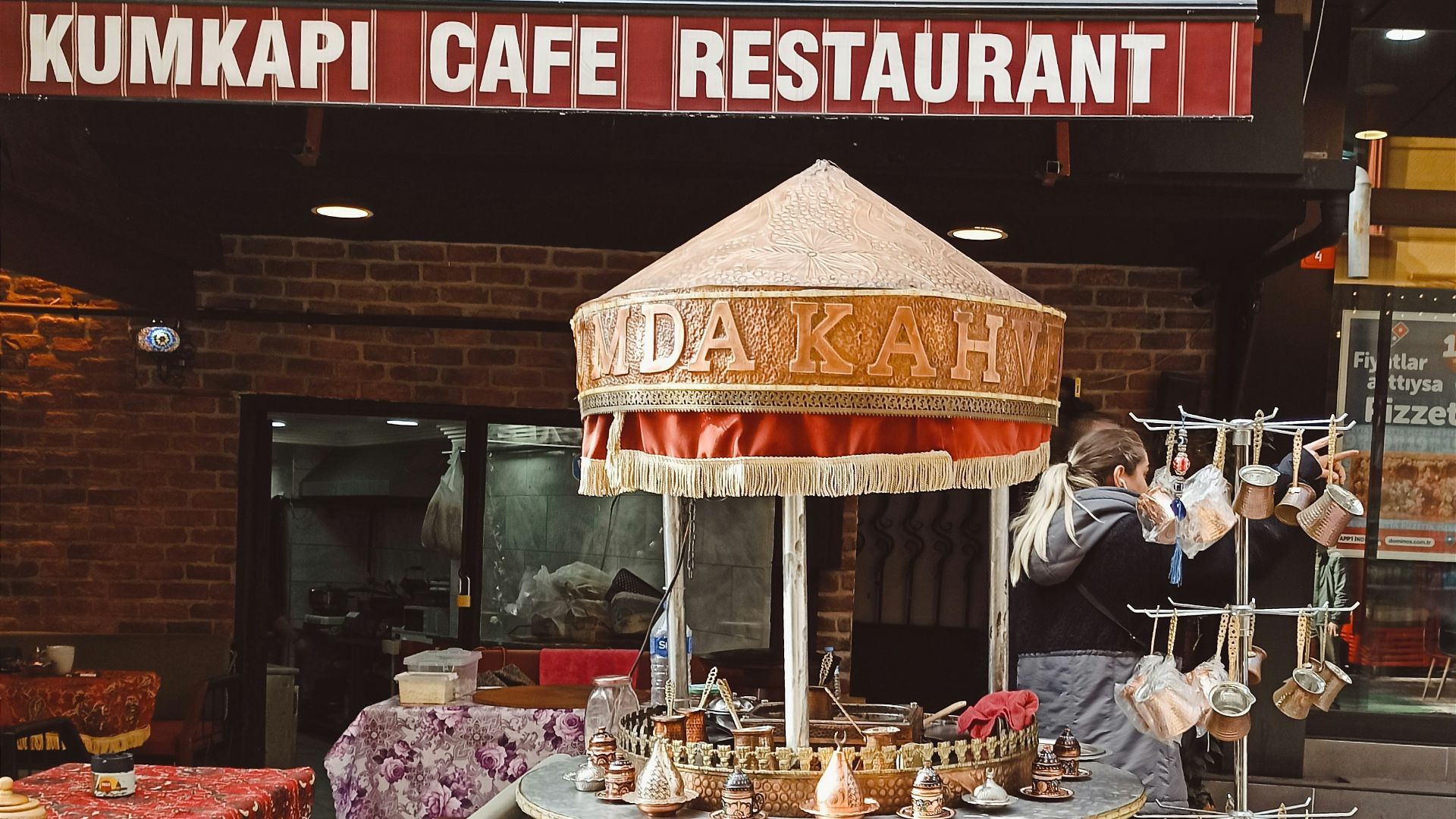
Some of Istanbul’s most atmospheric coffeehouses date back centuries. In neighbourhoods like Eminönü, Beyazıt, and Üsküdar, visitors can still sit beneath Ottoman-style décor while sipping coffee prepared using traditional methods. Many cafés preserve the slow pace and communal spirit that defined Istanbul’s earliest coffee culture. The experience is especially memorable near the Bosphorus, where locals linger for hours over conversation, backgammon, and endless cups of tea and coffee. Turkish coffee is not rushed. It is meant to be savoured.
 Victoria Golysheva on Unsplash
The Best Turkish Coffee Souvenirs to Bring Home
Istanbul is one of the best places in the world to buy Turkish coffee and coffee-related souvenirs. The historic Spice Bazaar offers fragrant blends, while specialty coffee shops sell freshly ground beans prepared specifically for cezve brewing. Visitors often purchase hand-painted coffee cups, brass grinders, and ornate copper pots as keepsakes. Popular varieties include menengiç coffee made from wild pistachio berries and cardamom-flavoured blends inspired by Middle Eastern traditions. From palace rituals to bustling modern cafés, Turkish coffee remains one of Istanbul’s most enduring cultural treasures, a tradition that connects the city’s past and present one cup at a time.