Istanbul makes the most sense from the water. From the deck of a Bosphorus cruise, the city unfolds in layers. Ottoman palaces edge the shoreline and ferries zigzag between continents. The call to prayer drifts over rooftops and tea glasses clink on open-air decks. For centuries, the Bosphorus Strait has divided Europe and Asia, but it has also connected them culturally, politically, and commercially. From the water, Istanbul becomes something cinematic. The Bosphorus offers a version of the city vastly different from the streets alone.
The Waterway That Built an Empire
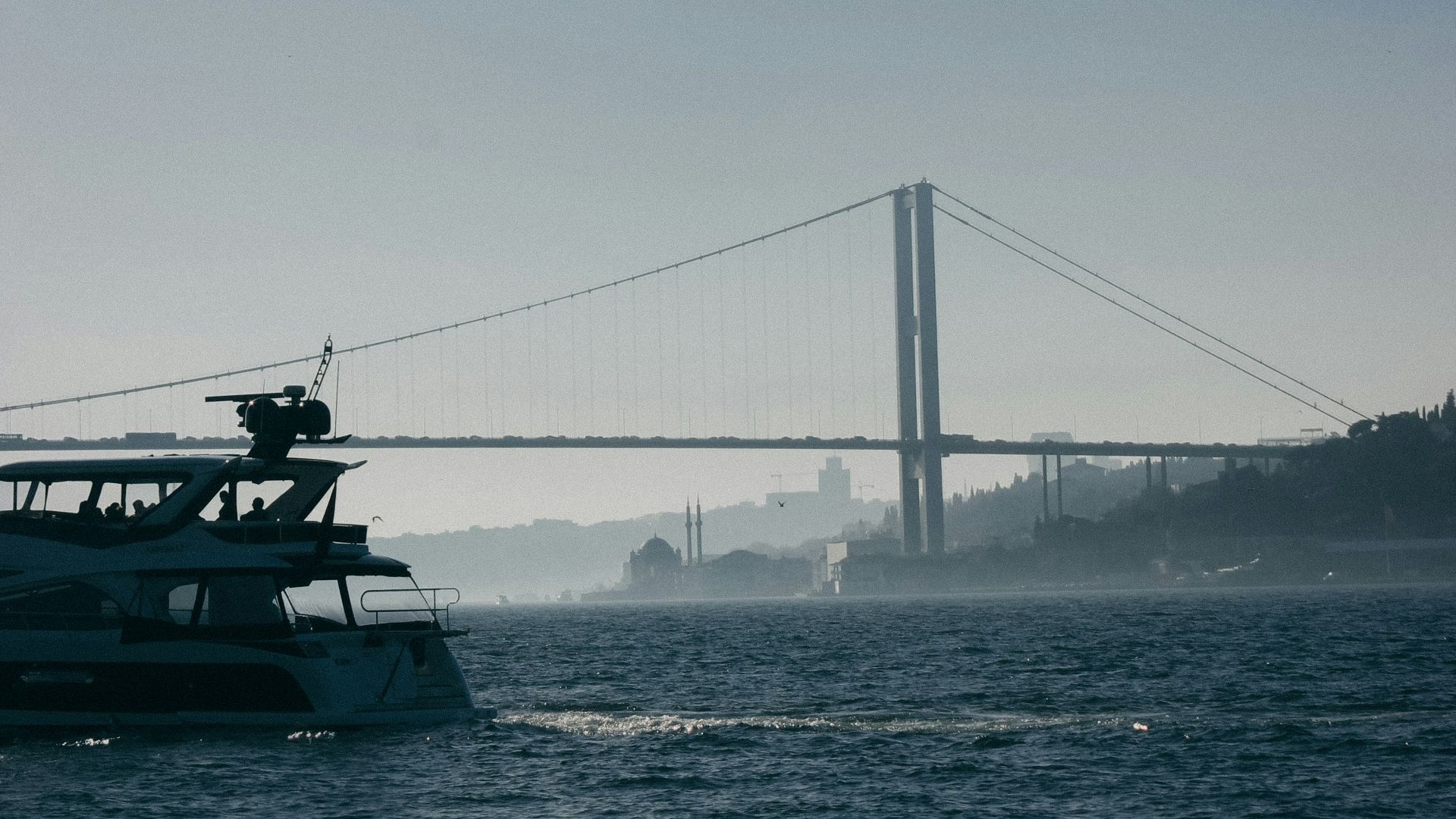
Long before modern Istanbul existed, control of the Bosphorus meant control of trade between the Black Sea and the Mediterranean. Byzantine emperors defended it. Ottoman sultans fortified it. Today, enormous cargo ships still pass beneath the city’s suspension bridges. A cruise along the strait gives context to Istanbul’s history in a way that walking tours rarely can. You begin to understand why so many rulers fought to possess this shoreline.
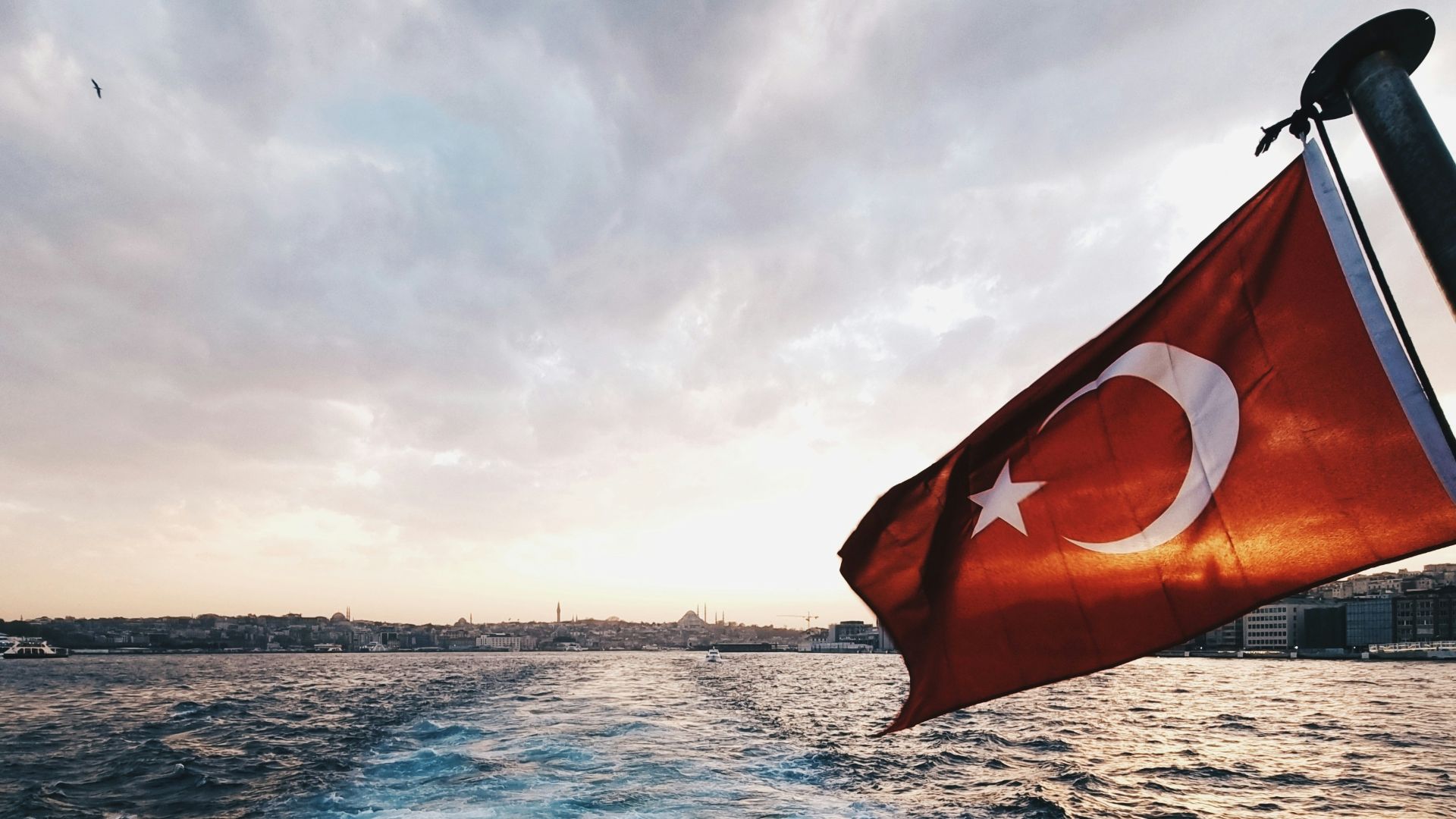
Palaces and Mosques on the European Shore
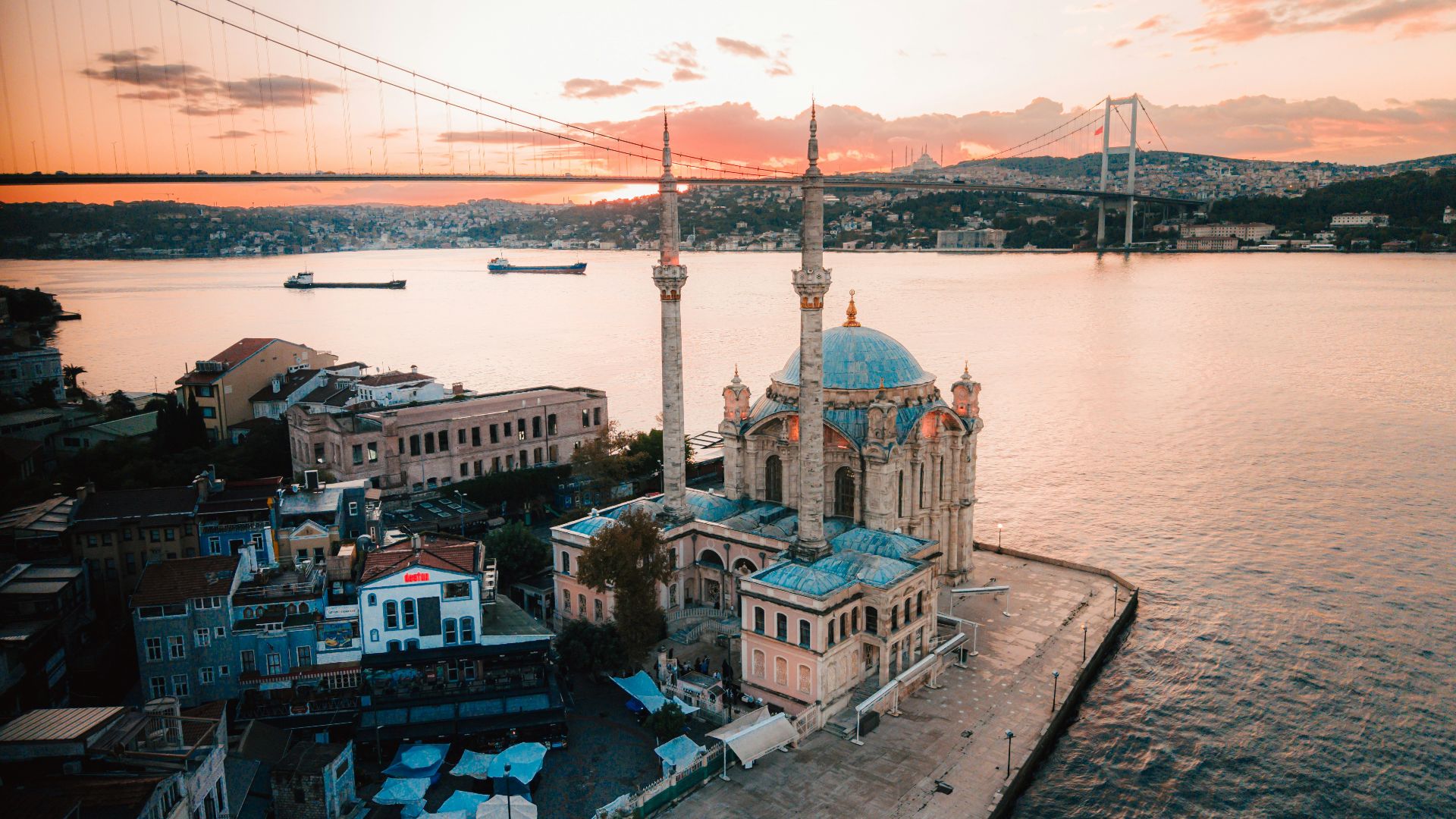
The European side delivers Istanbul’s grandest architecture. Near Beşiktaş, the ornate façade of Dolmabahçe Palace stretches almost directly to the water, replacing the heavier imperial style of Topkapı Palace with crystal chandeliers and European excess. Further along, Ortaköy Mosque sits almost improbably beneath the Bosphorus Bridge, framed by street food stalls and waterfront cafés. One of the most dramatic sights appears farther north: Rumeli Fortress. Built by Sultan Mehmed II before the conquest of Constantinople, the stone towers still dominate the hillside, a reminder that the Bosphorus was once a military prize before it became a tourist route.
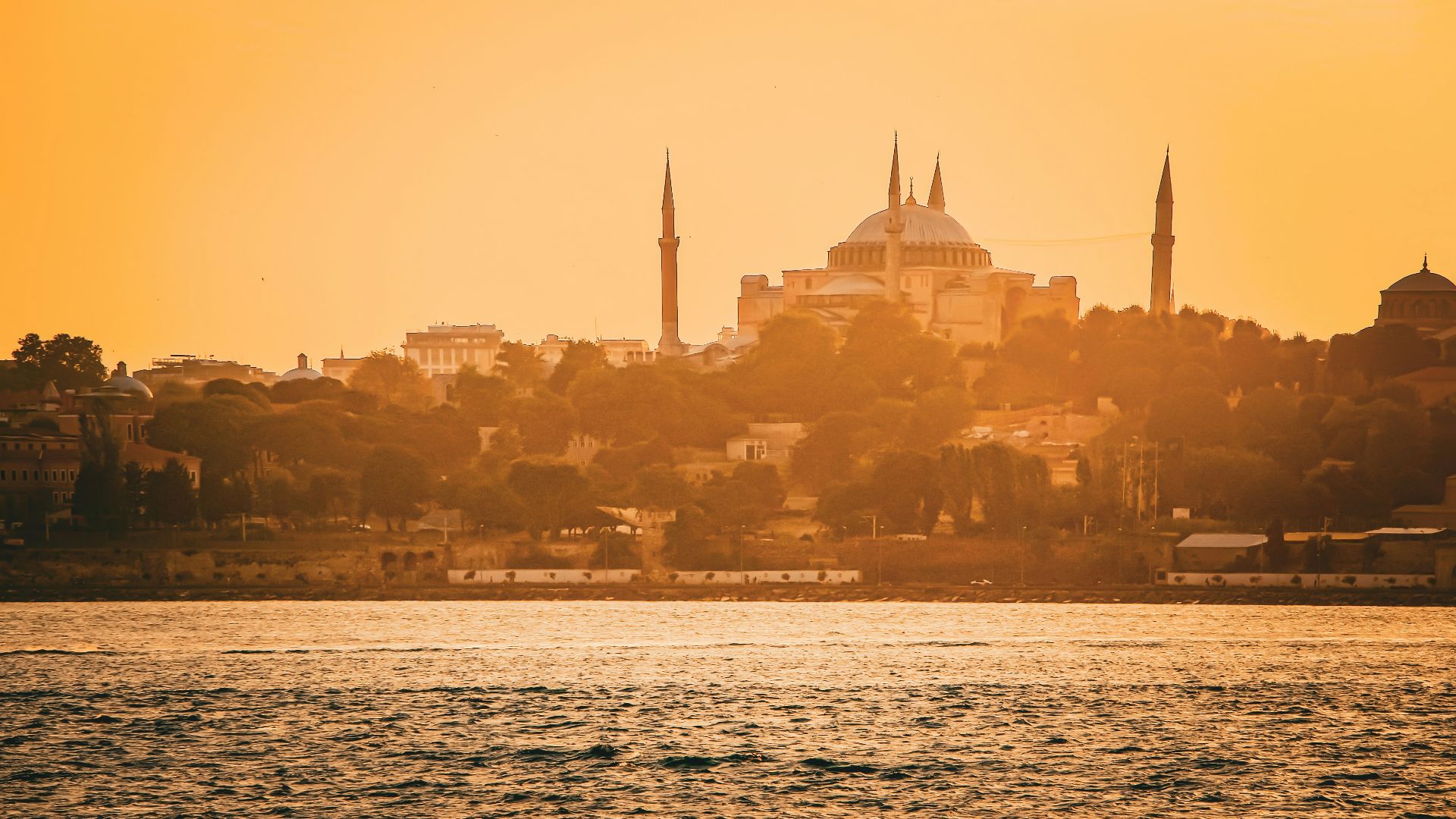
A Slower Rhythm on the Asian Side
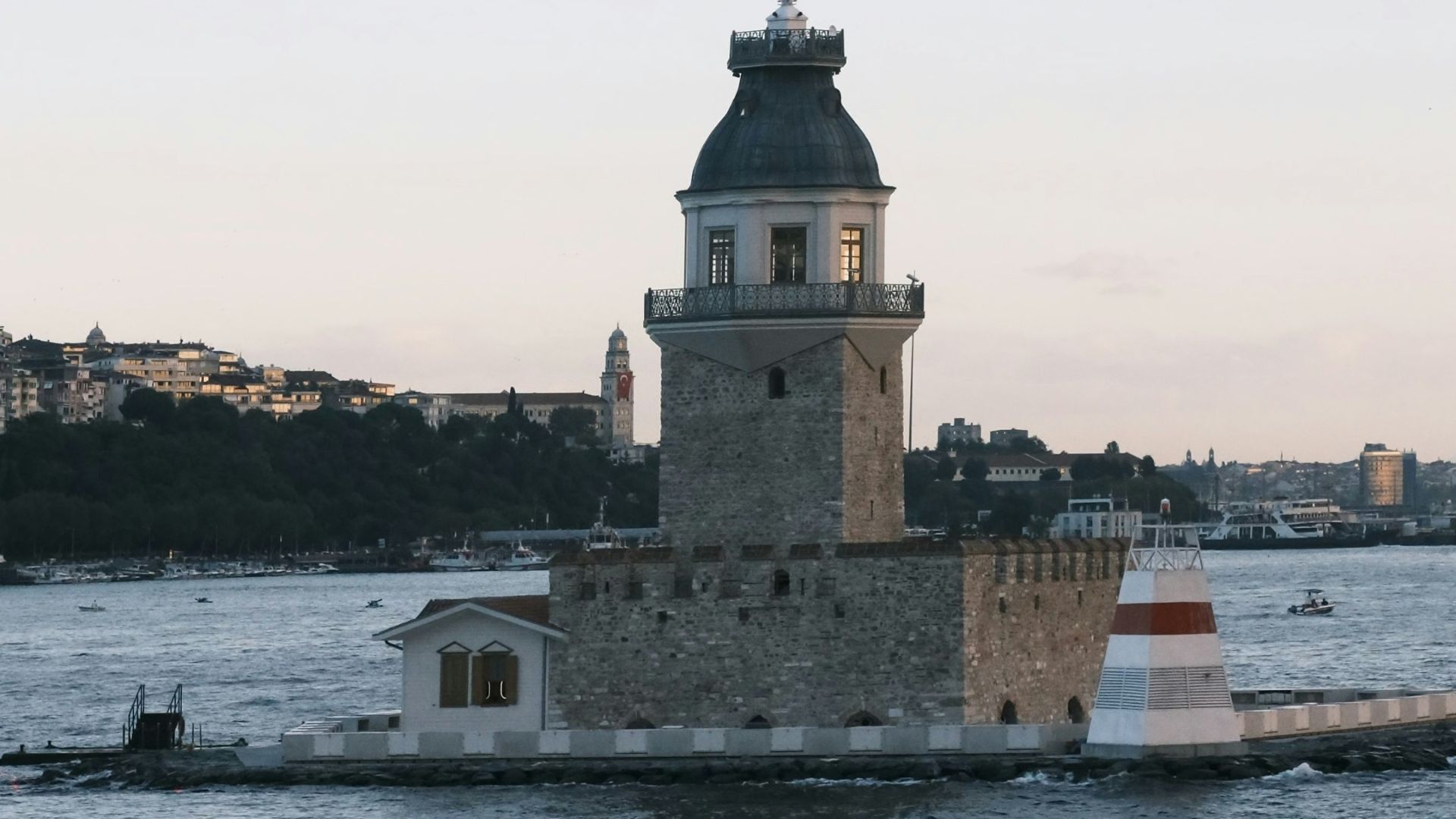
The Asian shoreline feels more residential, less hurried. In Üsküdar, locals gather along the waterfront at sunset with cups of Turkish tea while fishing boats rock against the docks. Kadıköy brings a younger energy, with busy markets, bars, and ferry traffic weaving constantly through the harbor. The Maiden’s Tower is the standout landmark here. It's a solitary structure rising from a tiny islet just offshore. Legends surrounding the tower change depending on who tells them: tragic love story, defensive watchtower, quarantine station. Either way, it remains one of Istanbul’s most photographed views from the water.
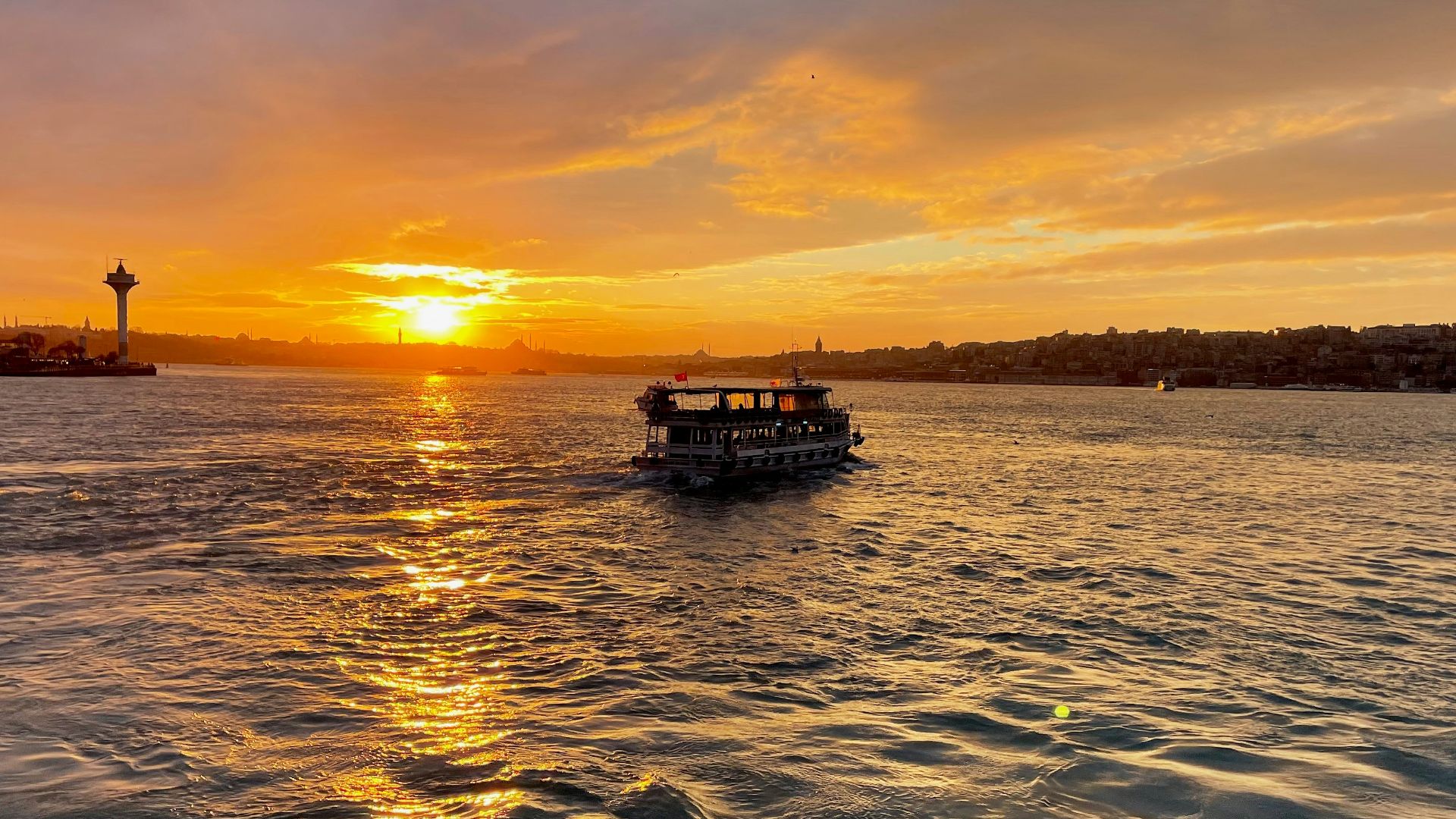
The Bosphorus at Dusk
Day cruises are popular, but sunset changes the city completely. The late-evening light softens the skyline, turning domes, minarets, and waterfront mansions gold just before dusk. As darkness settles, bridges illuminate across the strait and the shoreline begins to glitter. The best months for a sunset Bosphorus cruise are April through October, when skies stay clear later into the evening. Booking ahead is smart during summer, especially for smaller boats or dinner cruises with upper-deck seating.
What to Expect Onboard
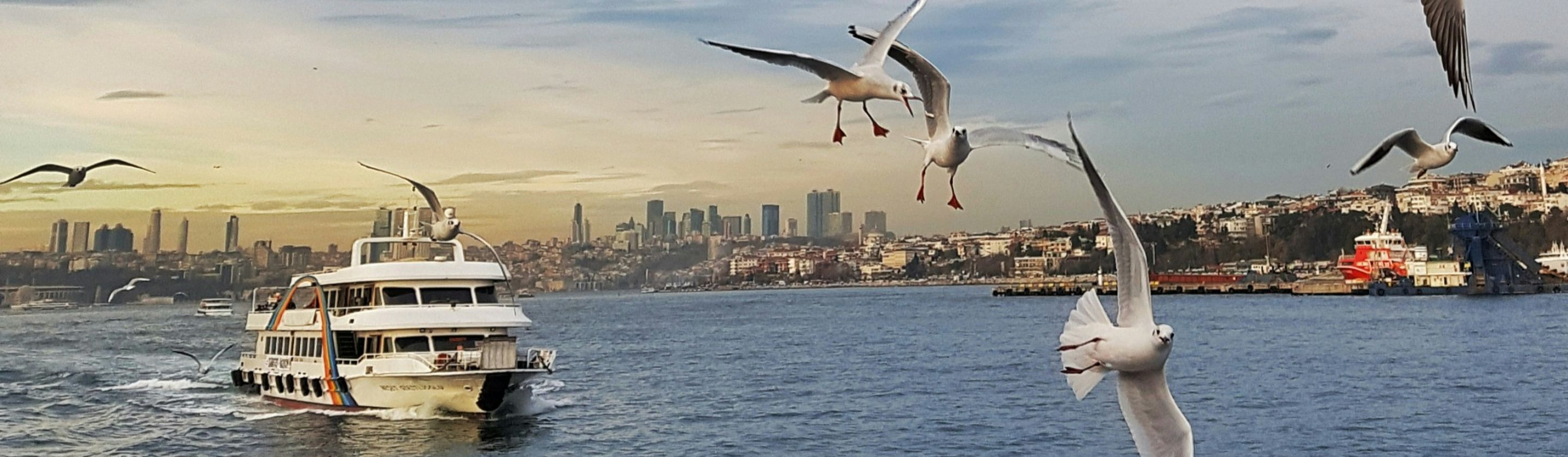
Most Bosphorus cruises last between 90 minutes and three hours, depending on the route. Public ferries are cheaper and more local, while private cruises often include dinner, live music, or guided commentary. Expect passing seagulls, strong sea breezes, and constant movement along the water. Ferries, fishing boats, tankers, and yachts all share the same narrow channel. Above all, expect perspective. Istanbul looks different from the Bosphorus: broader, more textured, and far more cinematic than it does from street level.