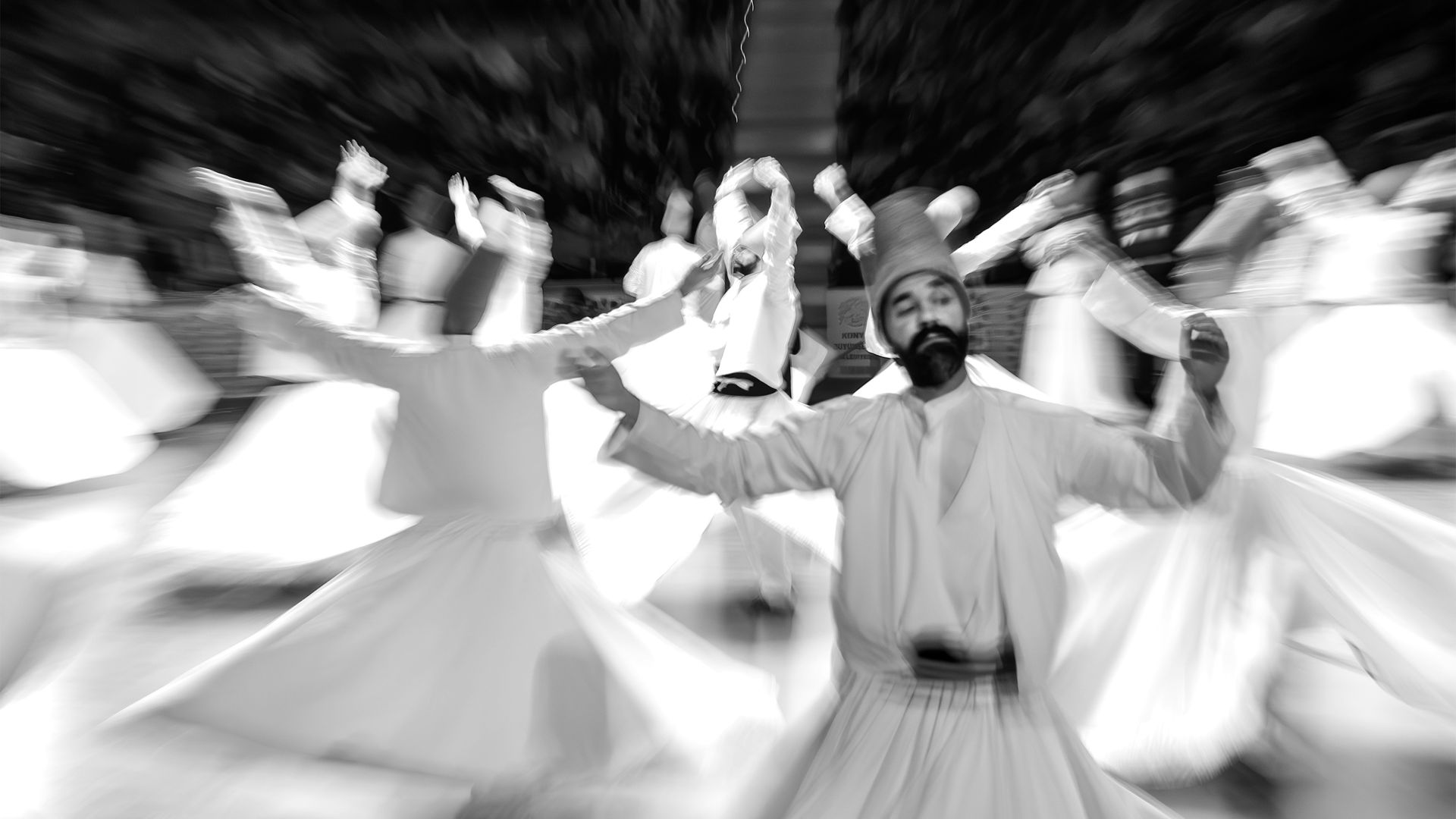
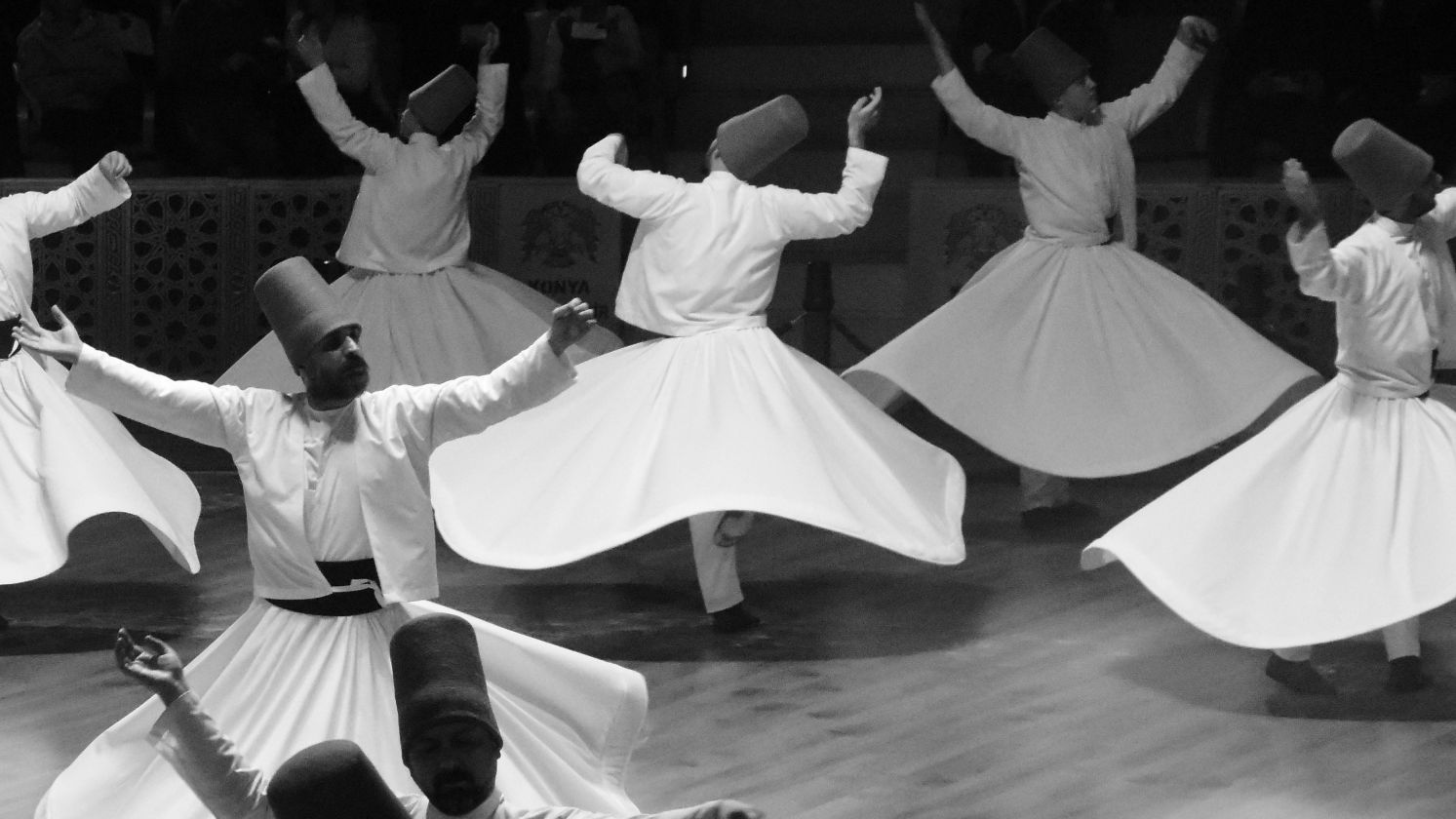
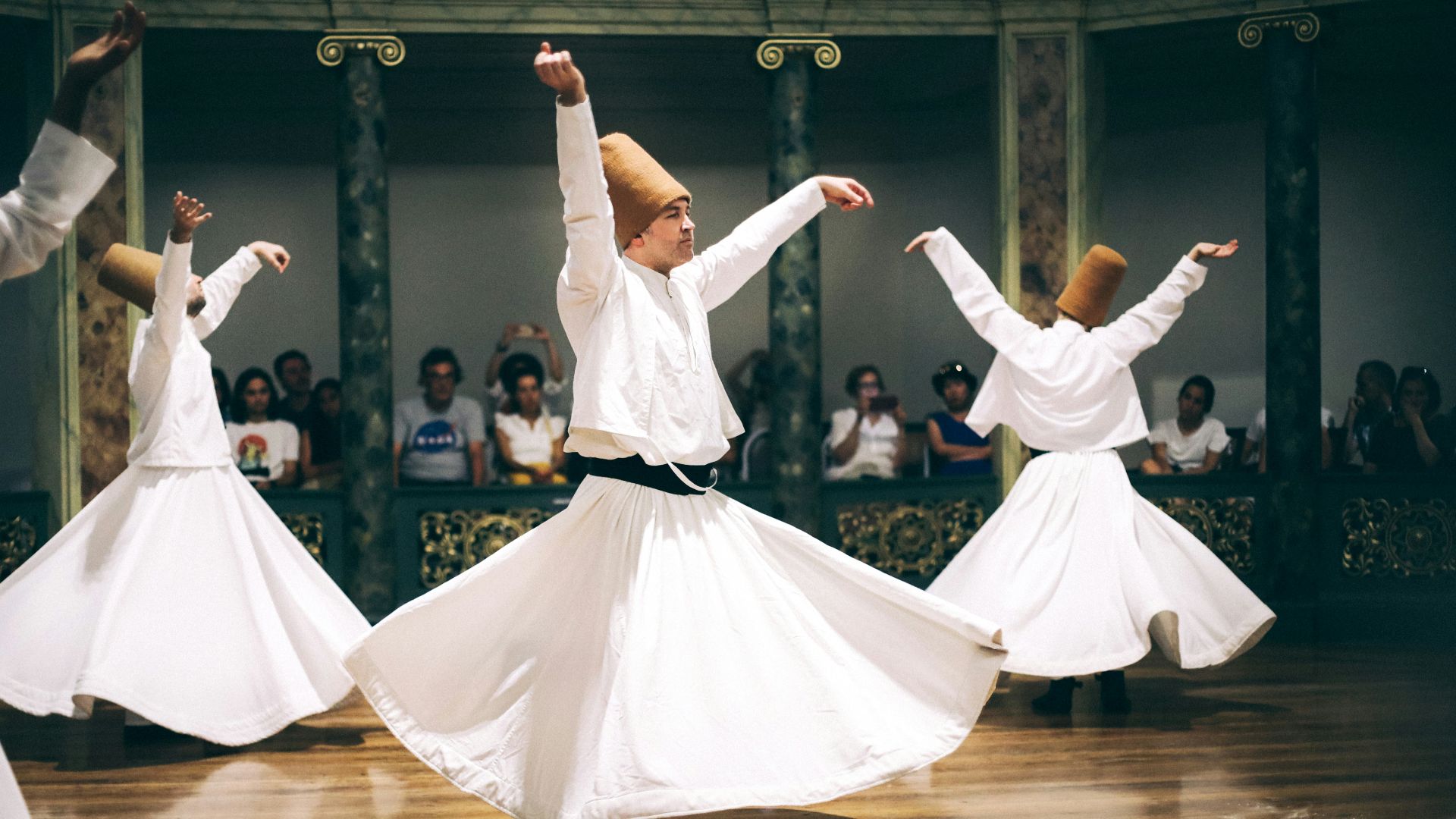
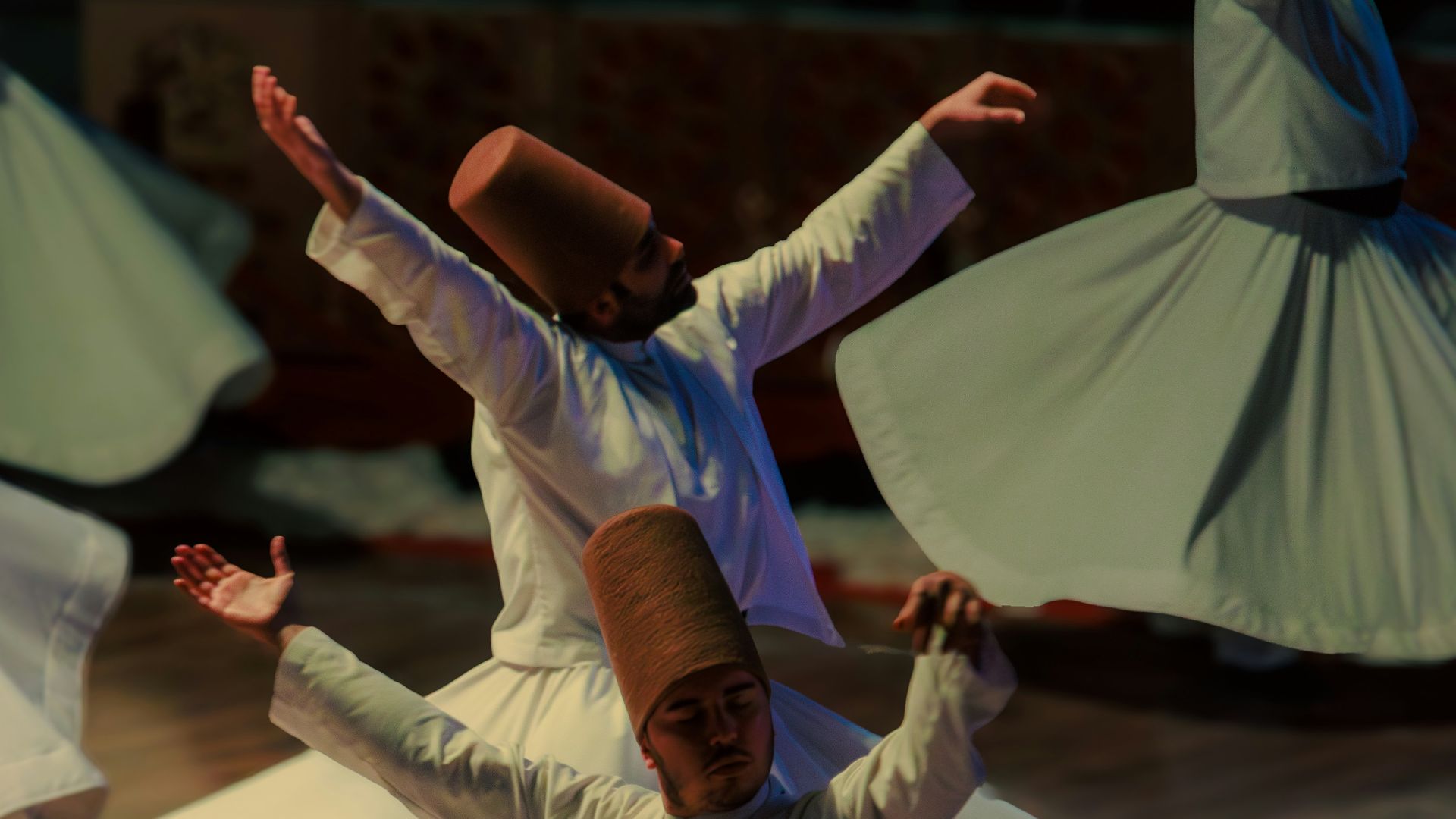
In the Republic of Türkiye (Turkey), watching the swirling dervishes spin gracefully across a candlelit hall is a mesmerizing cultural experience. This centuries-old spiritual ritual is known as the Sema ceremony. It combines music, meditation, poetry, and movement into a deeply emotional performance. To visitors, the white-robed dancers seem almost weightless as they whirl endlessly in perfect balance. But behind the beauty lies a profound religious tradition rooted in devotion and the search for spiritual enlightenment.
The Origins of the Whirling Dervishes
The tradition dates back to the 13th century and is closely connected to the Persian poet and Islamic mystic Jalaluddin Rumi, often simply called Rumi. His followers established the Mevlevi Order after he died in 1273, a Sufi brotherhood dedicated to spiritual reflection and divine love. The spinning ritual became a symbolic form of worship. It represented the soul’s journey toward perfection and closeness to God. Over time, the ceremony evolved into one of the most recognizable spiritual traditions in the Islamic world.
The Meaning Behind the Ceremony
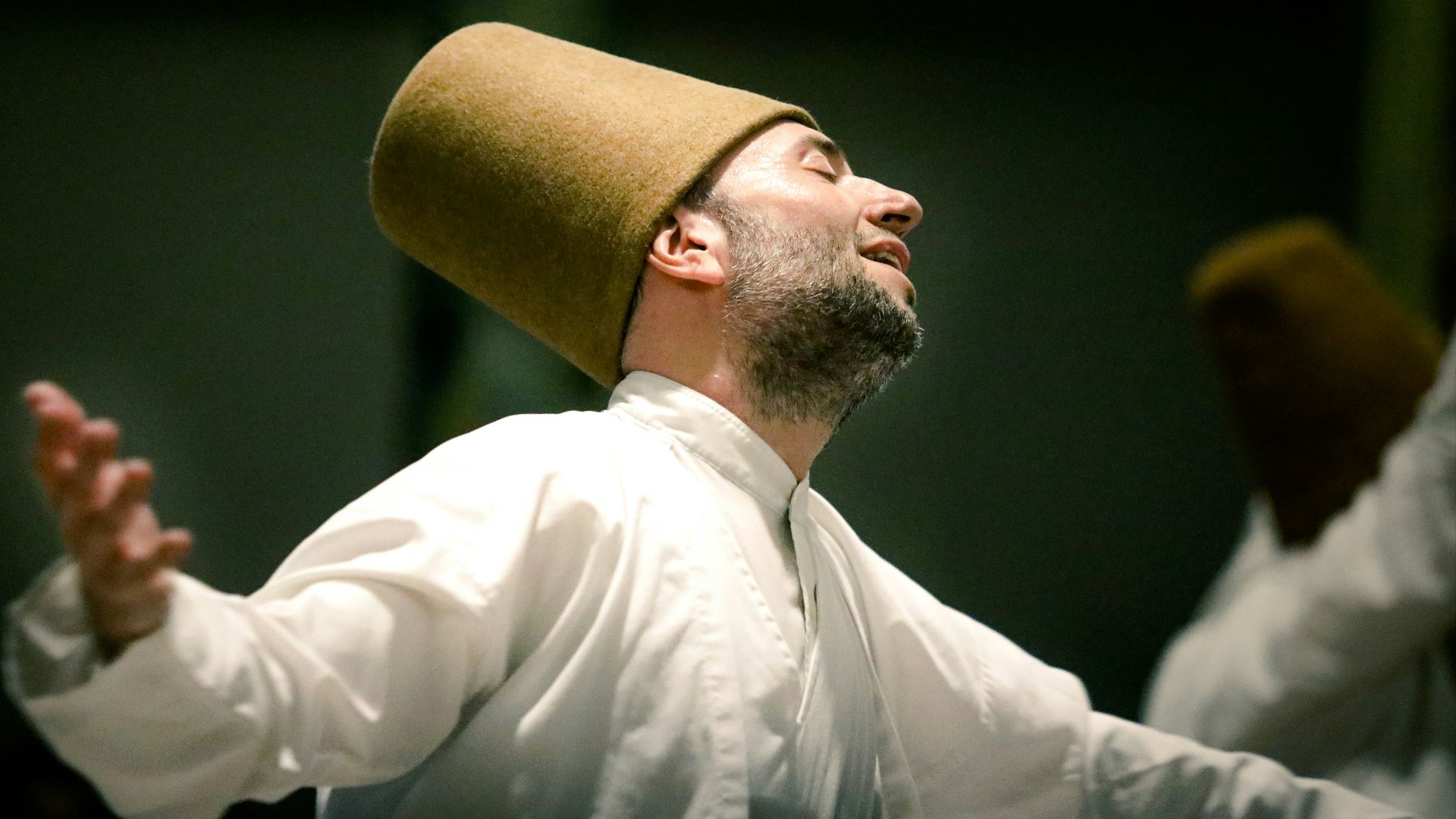
Every movement in the Sema ceremony carries symbolic meaning. The dervishes wear long white robes symbolizing purity and flowing black cloaks representing earthly attachments. As the ceremony begins, the dervishes remove their cloaks to signify spiritual rebirth. While spinning, the dancers keep one palm facing upward to receive blessings from heaven and the other downward to pass those blessings to Earth. The continuous turning mirrors the motion of planets orbiting the sun and reflects harmony within the universe. Far from being simply a dance, the ceremony is a form of meditation and prayer.
Why the Tradition Matters in Turkey
The whirling dervishes are an important part of Turkey’s cultural and spiritual identity. In 2005, UNESCO recognized the Mevlevi Sema Ceremony as a Masterpiece of the Oral and Intangible Heritage of Humanity. Despite periods in history when Sufi practices were restricted, the tradition survived and continues to thrive today. For many Turks, the ceremony represents tolerance, peace, and the teachings of Rumi, whose poetry emphasizes compassion and unity across cultures and religions.
Watching a Dervish Performance
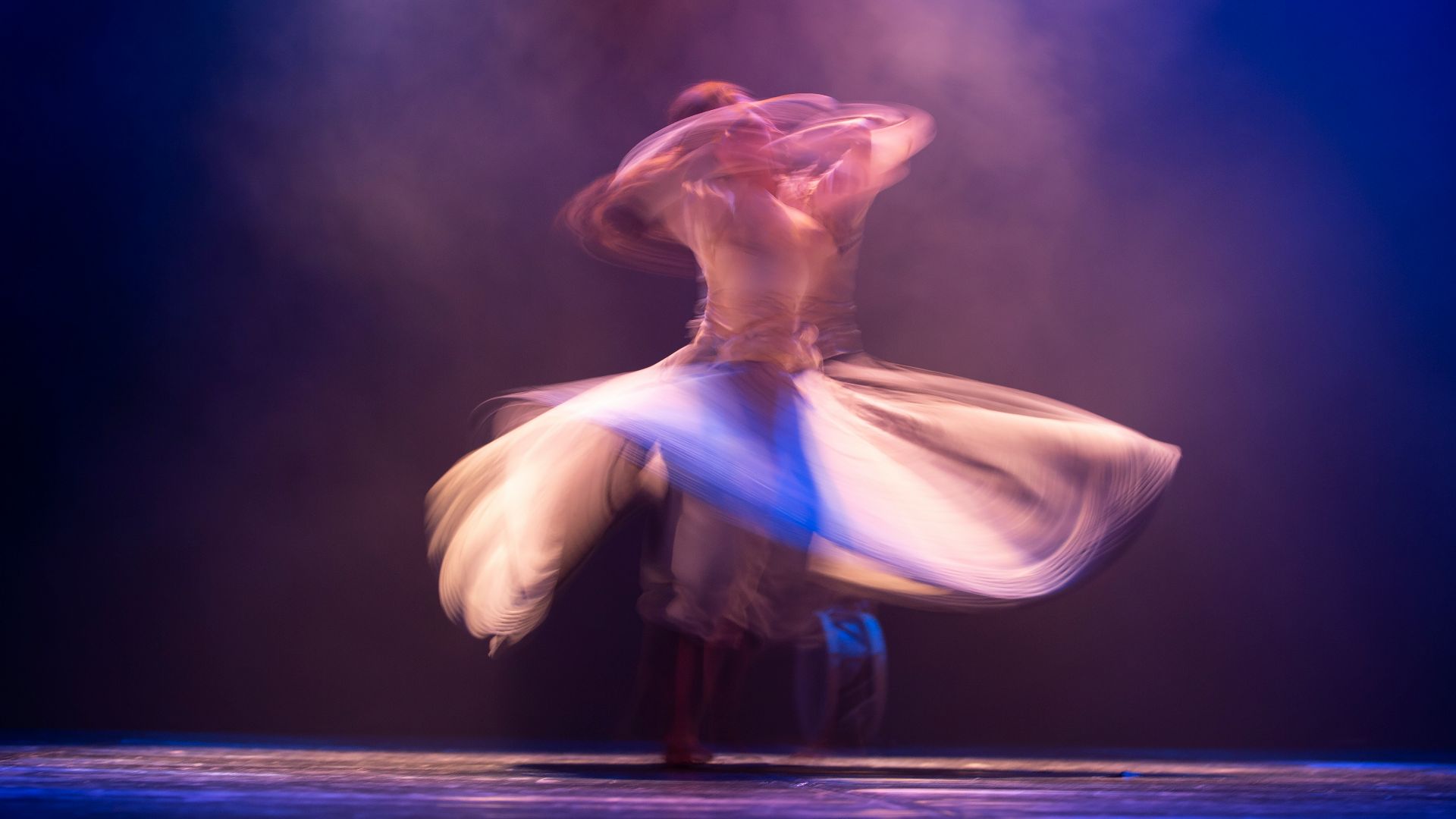
Attending a dervish ceremony is unlike watching a typical stage performance. The atmosphere is calm, reverent, and almost hypnotic. A haunting soundtrack of traditional instruments such as the reed flute, drums, and chanting plays while the dervishes slowly begin to spin. As their robes billow outward, the movement becomes both elegant and trance-like. Audiences are usually asked to remain silent and avoid flash photography to preserve the spiritual nature of the event. Many visitors describe the experience as surprisingly emotional and deeply peaceful.
Where to See the Whirling Dervishes
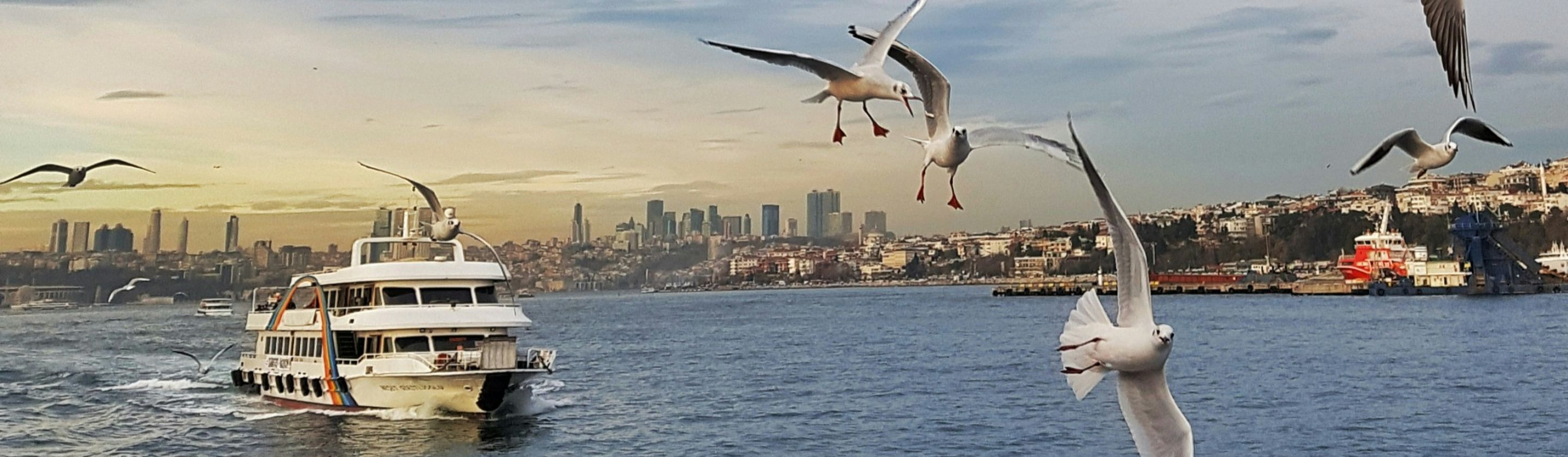
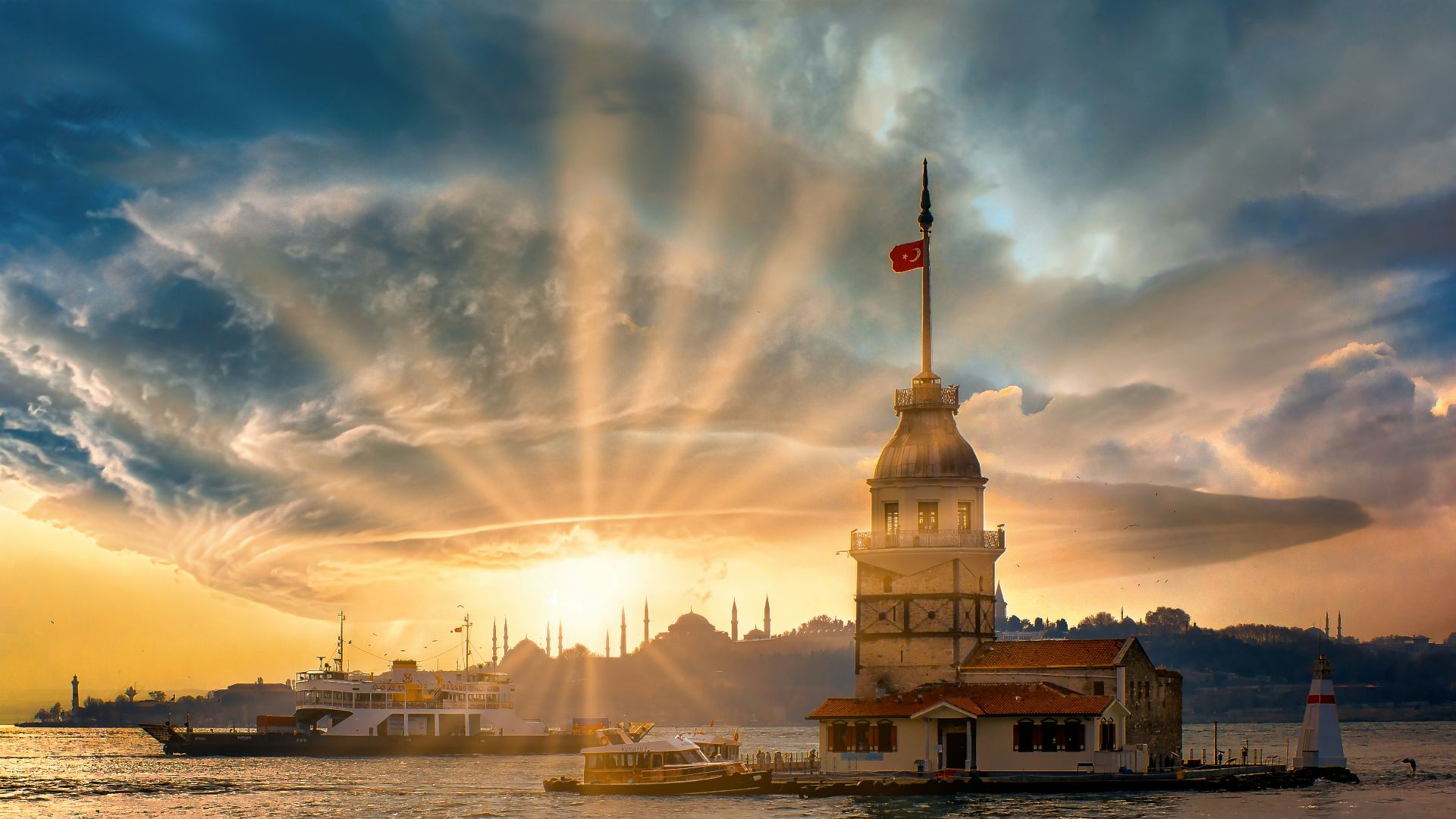
The best place to experience the tradition is Konya, the city where Rumi lived and where his tomb remains a major pilgrimage site. Every December, the city hosts ceremonies commemorating the anniversary of his death. Istanbul also offers regular performances in historic venues, including old Ottoman bathhouses and cultural centers. In Cappadocia, some ceremonies take place inside ancient cave settings, adding even more atmosphere. Booking an authentic cultural performance rather than a commercial tourist show will provide a more meaningful experience and a deeper understanding of this remarkable Turkish tradition.