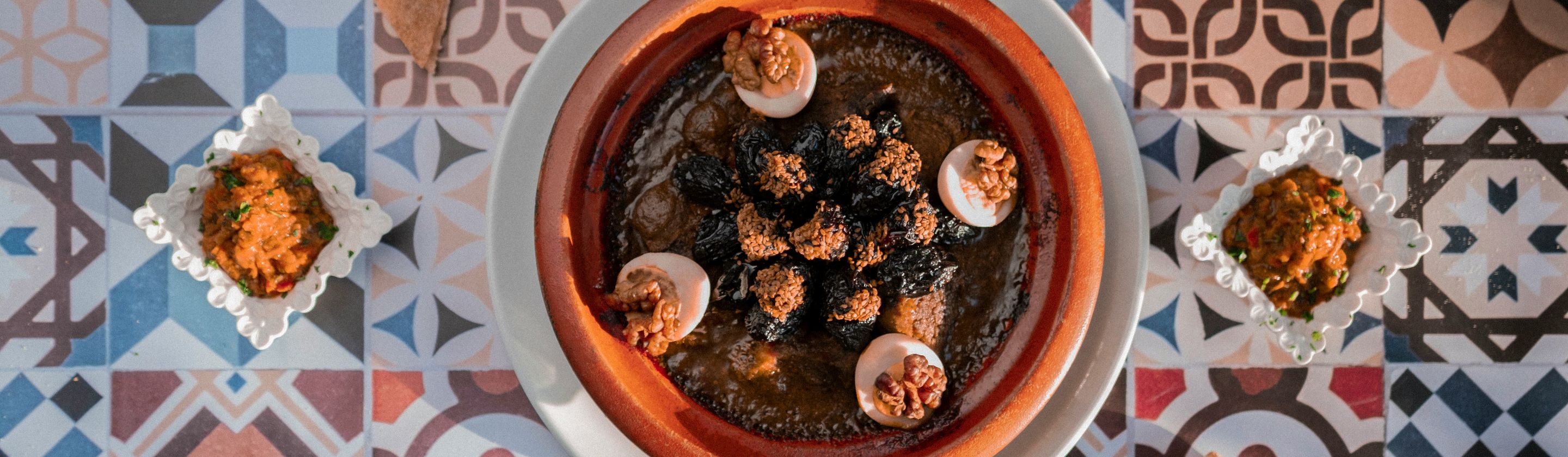
Moroccan cuisine is layered. Its dishes are aromatic and deeply regional. It reflects Berber roots, Arab influence, Andalusian refinement, and centuries of trade across the Sahara and Mediterranean. For travelers, food in Morocco isn’t just about eating well. It’s about understanding culture through spices, slow cooking, shared plates, and rituals like mint tea poured from high above the glass. From street stalls to riad dining rooms, these are the essential foods and drinks you shouldn’t miss.
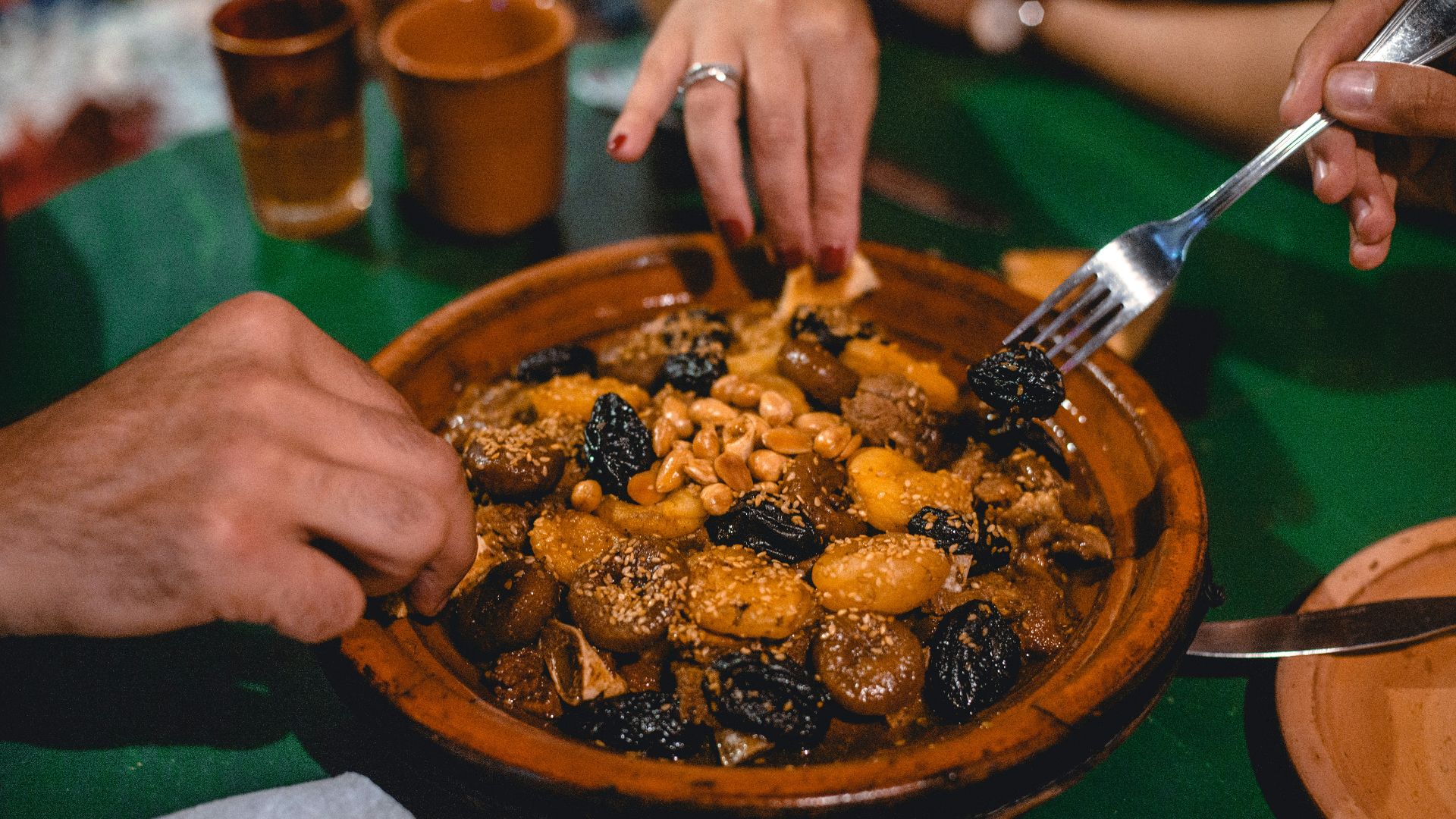
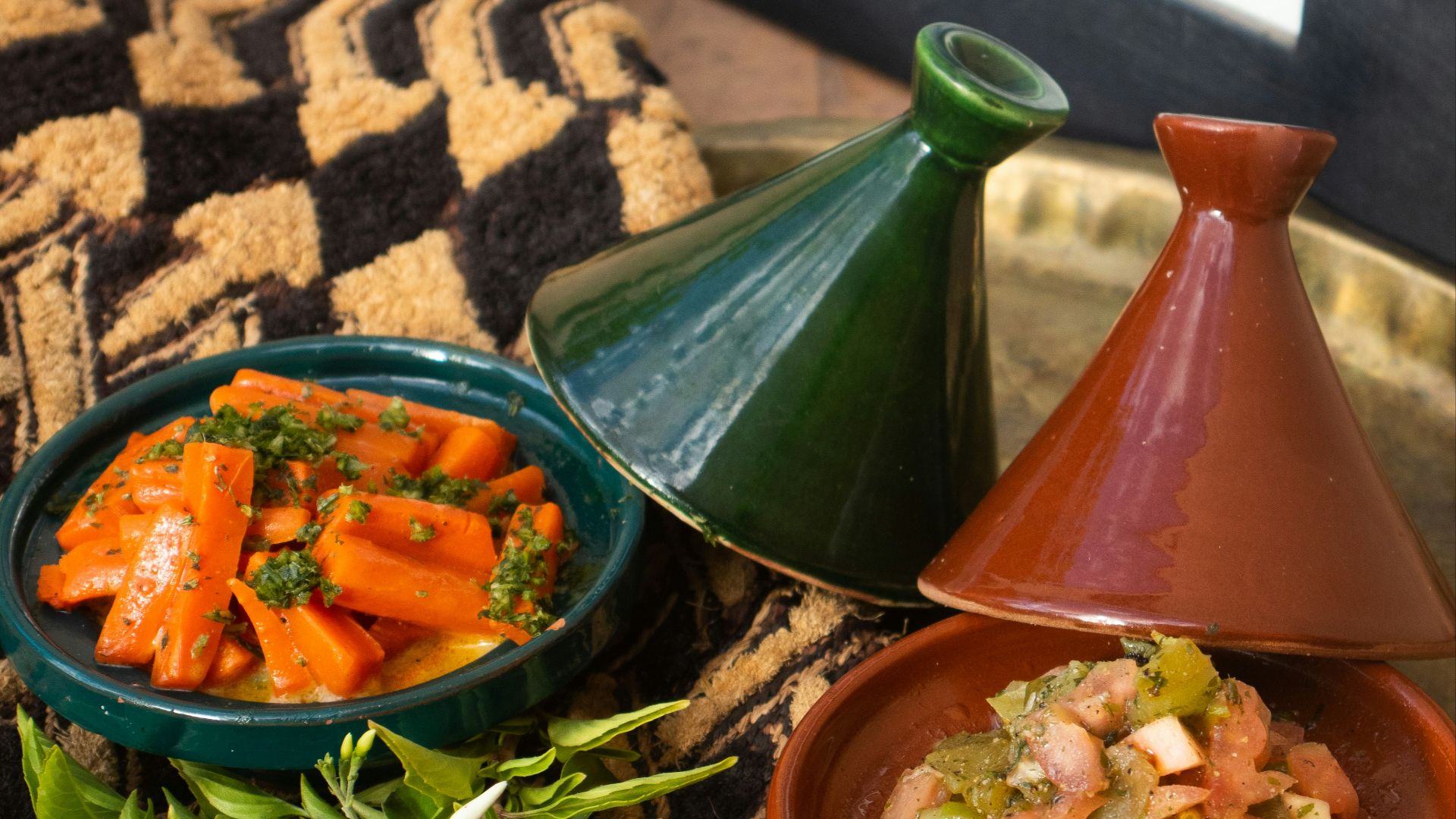
Tagine: Morocco’s Signature Slow-Cooked Dish
Tagine refers both to the clay pot and the dish cooked inside it. The conical lid traps steam, keeping meat and vegetables tender while concentrating flavor. You’ll find chicken with preserved lemon and olives, lamb with prunes, or rich vegetable versions simmered with cumin and ginger. Every region prepares tagine slightly differently. Coastal areas lean toward seafood. Mountain villages favor hearty lamb—no two taste the same, which makes ordering it more than once completely justified.
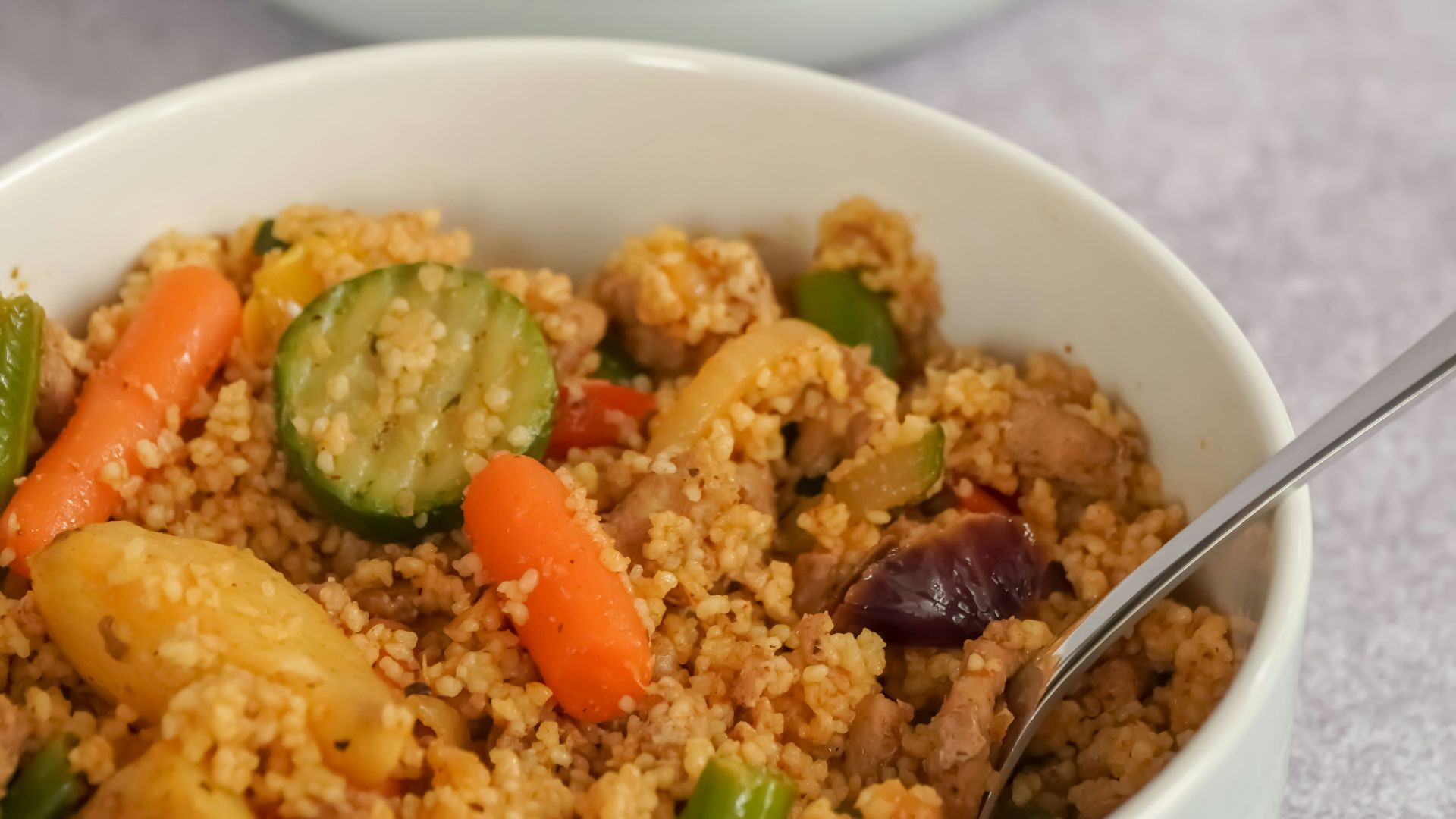
Couscous: A Friday Tradition Worth Seeking Out
Couscous holds deep cultural significance in Morocco. Traditionally served on Fridays, it’s a communal dish meant to be shared. Steamed semolina grains are topped with slow-cooked vegetables and meat, then finished with a ladle of fragrant broth. Unlike the quick-cook versions found abroad, authentic Moroccan couscous is light and fluffy, prepared patiently by hand. Many family-run restaurants serve their best version at lunchtime, making midday the ideal time to try it.
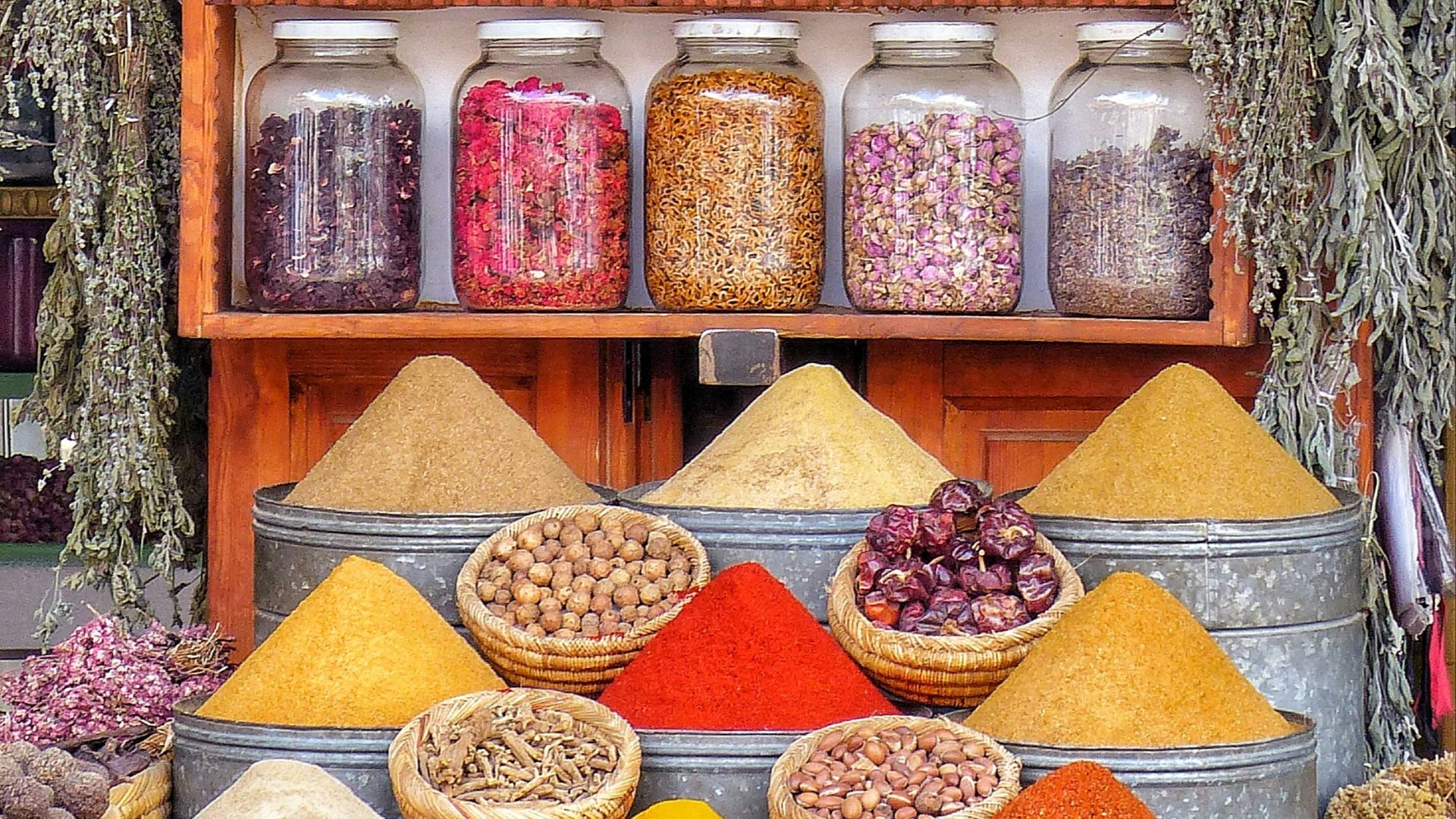
 Karolina Kołodziejczak on Unsplash
Pastilla: Sweet Meets Savory
Pastilla surprises first-time visitors. This flaky pastry blends savory filling with sweet topping, creating a uniquely Moroccan contrast. Traditionally made with pigeon, modern versions often use chicken layered with almonds, cinnamon, and delicate spices. The final dusting of powdered sugar adds a subtle sweetness that balances the richness inside. It’s refined and celebratory, often served at weddings and special gatherings. If you see it on a menu, order it.
Street Food: Flavor on Every Corner
Moroccan street food is approachable and deeply satisfying. In medinas and city squares, vendors grill brochettes over open flames or flip msemen on flat griddles. Harira soup appears frequently. This hearty tomato-based stew with chickpeas, lentils, and onions, is especially popular during Ramadan, offering warmth and comfort in one bowl. Street food in Morocco feels local rather than tourist-focused. Choose busy stalls where turnover is high. Freshly prepared dishes offer the best flavor and safest experience.
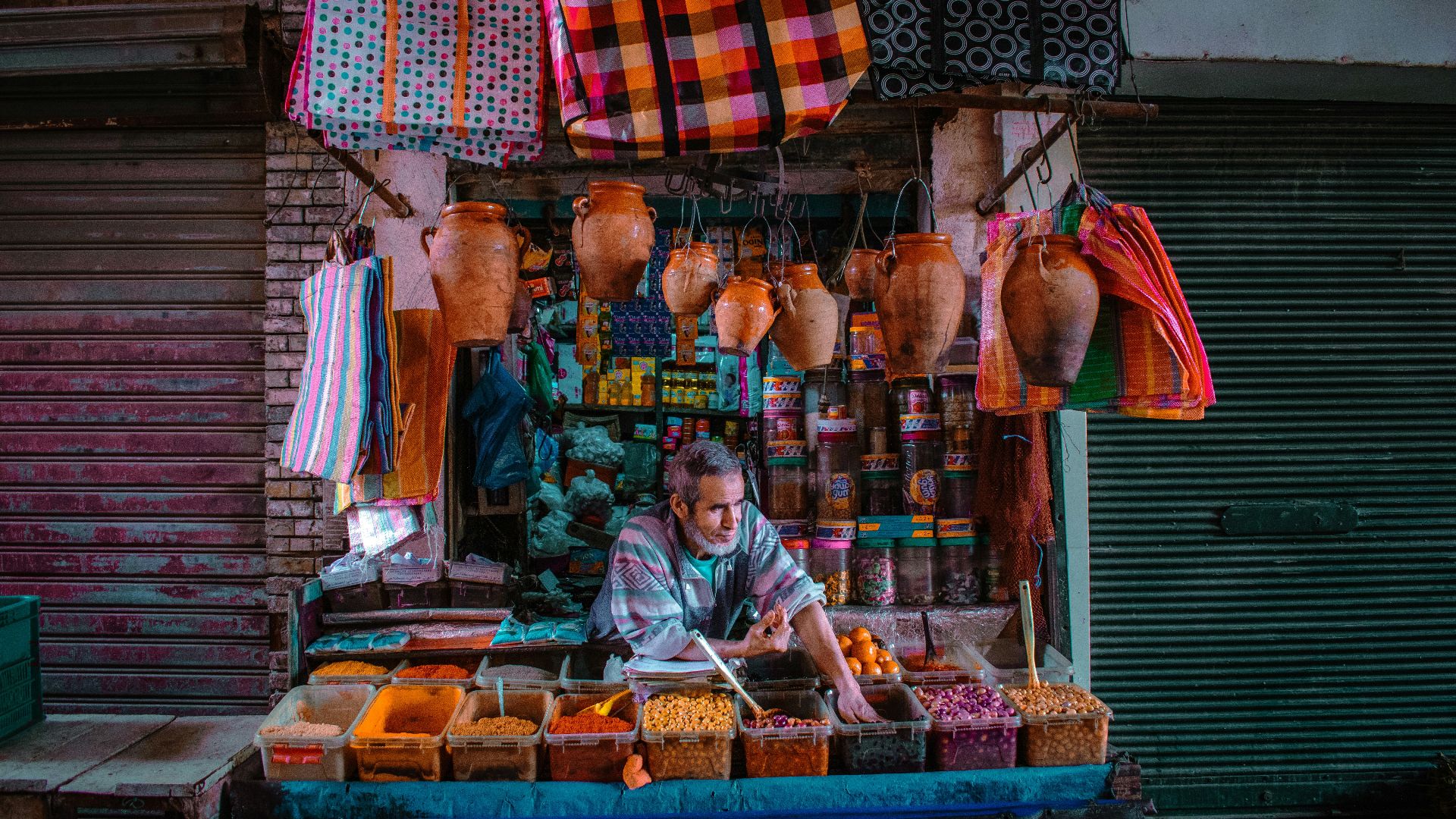 Matthew Stephenson on Unsplash
Mint Tea and Fresh Juices: Morocco’s Essential Drinks
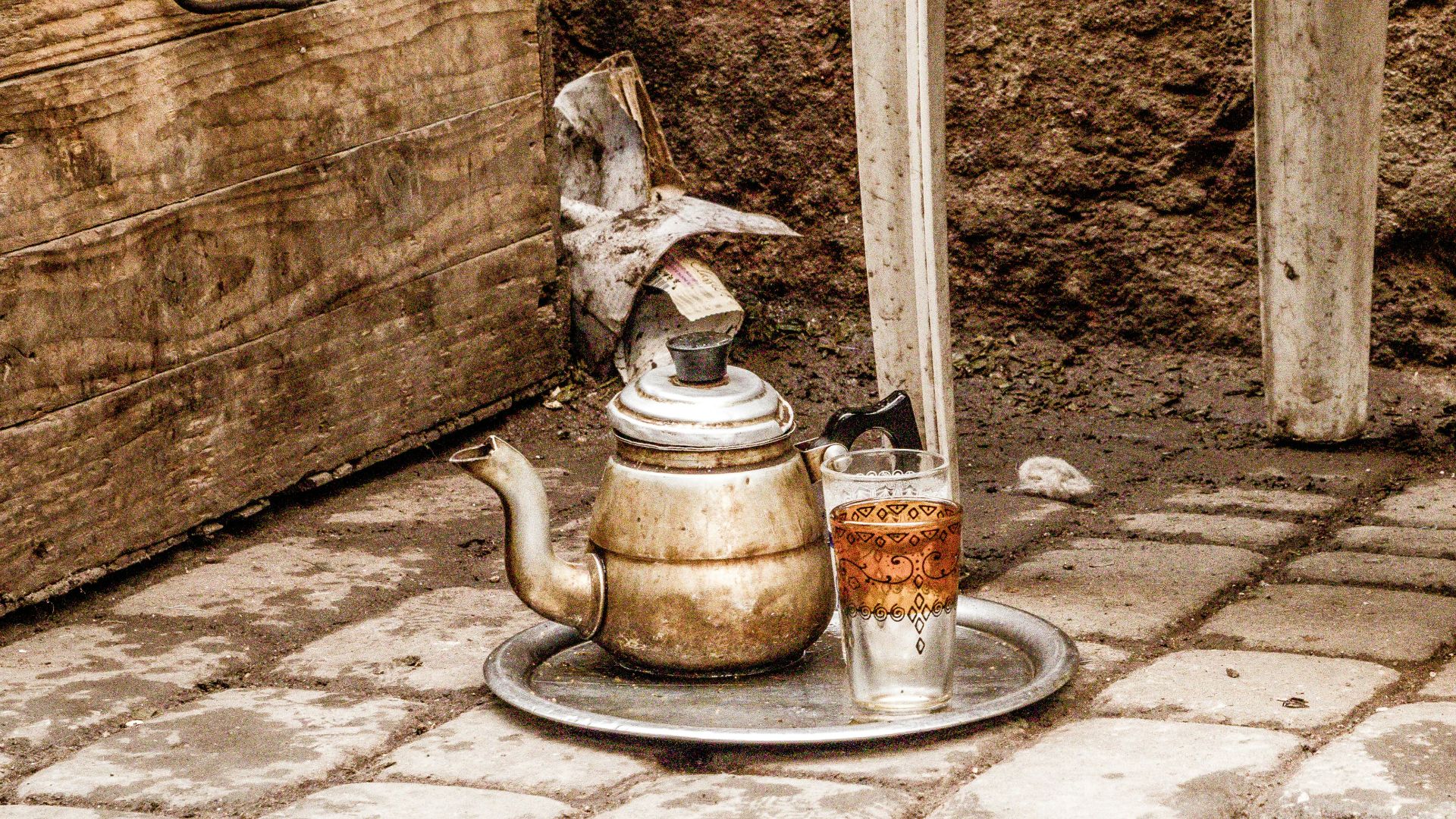
In Morocco, mint tea embodies hospitality. Green tea is steeped with fresh mint and generous sugar, then poured from a height to create a light foam. Sharing tea signals welcome and connection. In warmer months, freshly squeezed orange juice is everywhere. Morocco’s citrus is exceptional, and a glass from a street vendor in Marrakech or Fes is refreshing after hours of exploring. In coastal towns, avocado smoothies are also popular, often blended thick and creamy.
Exploring Moroccan food is one of the most rewarding parts of travel there. Meals are slow, flavors are bold, and recipes carry generations of history.