Rome is a city where food is an integral part of its storytelling, heritage, and identity. Learning to cook in the Italian capital offers travelers a deeper connection to its culture. Recipes for silky handmade pasta and slow-simmered sauces are artfully and thoughtfully passed down through generations. Whether you’re a curious beginner or a seasoned home cook, Rome’s cooking classes go far beyond recipes. They immerse you in local markets, introduce you to regional ingredients, and reveal the traditions that have shaped Roman cuisine for centuries.
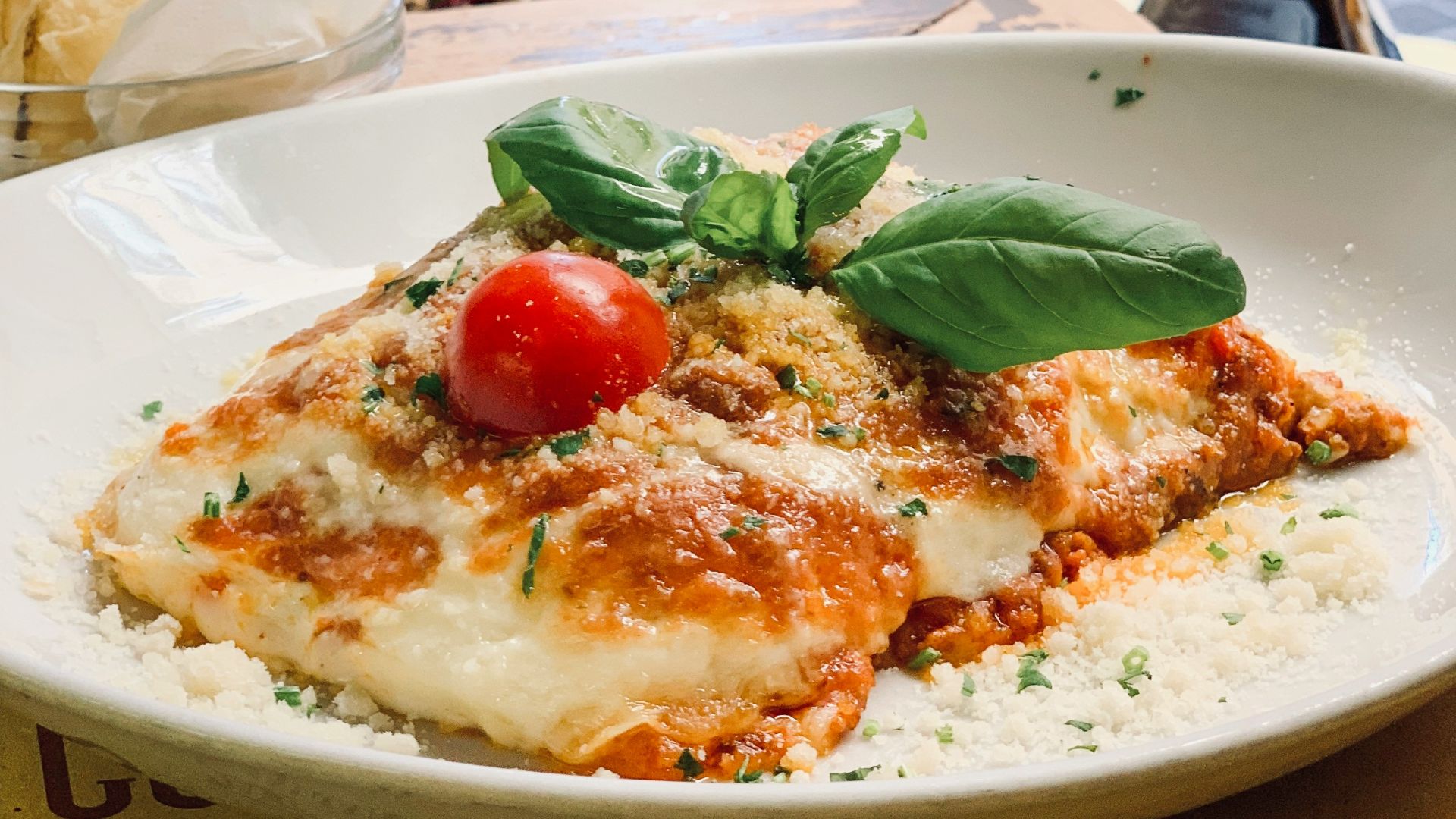
Hands-On Pasta-Making Workshops
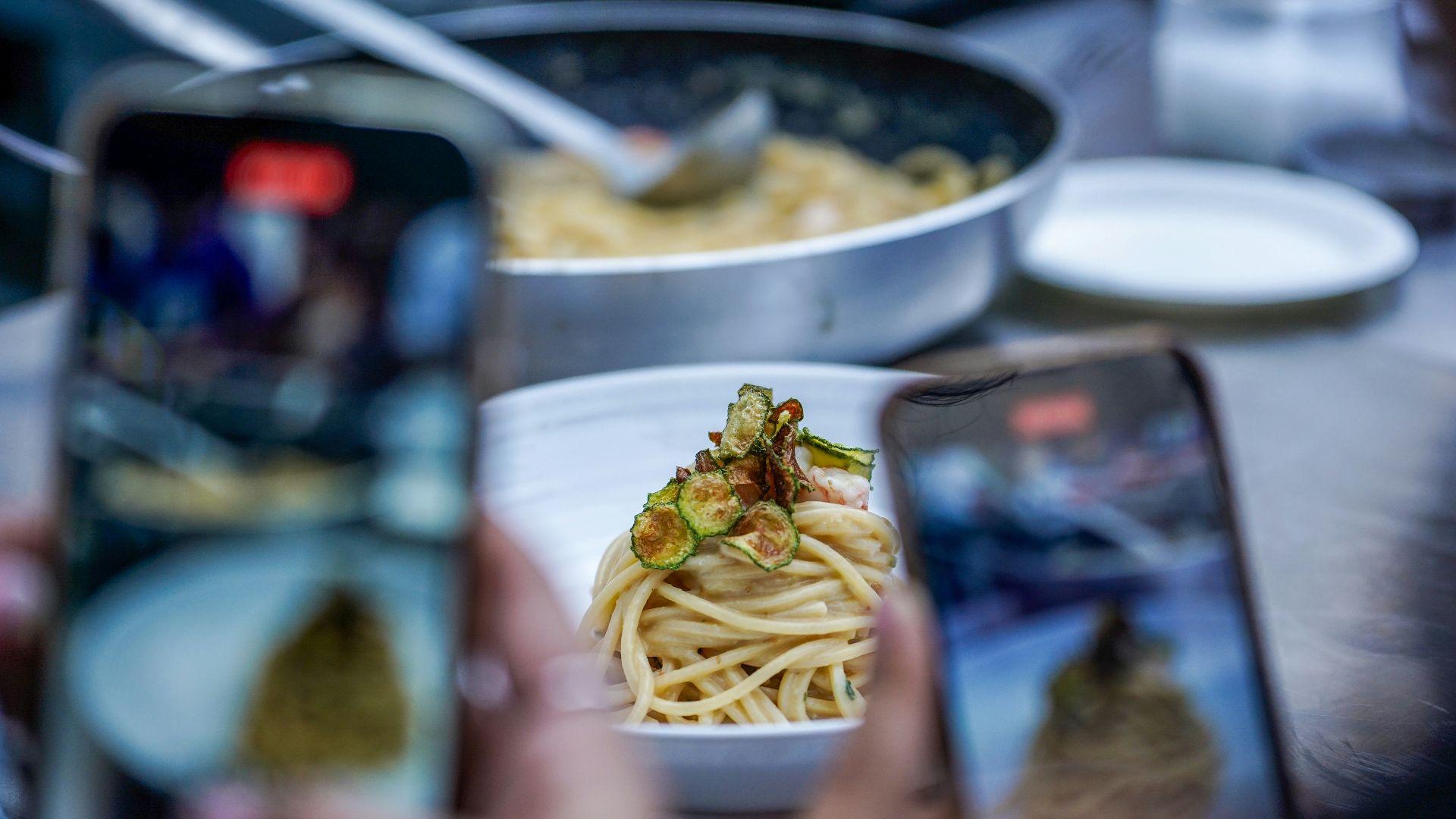
No culinary experience in Rome is complete without mastering fresh pasta. These classes typically focus on iconic Roman dishes, like cacio e pepe, carbonara, and amatriciana. Under the guidance of local chefs, often from families who have been cooking these recipes for generations, you’ll learn how to mix, roll, and shape pasta by hand. The emphasis is not just on technique, but on understanding the simplicity and balance that define Roman cooking.
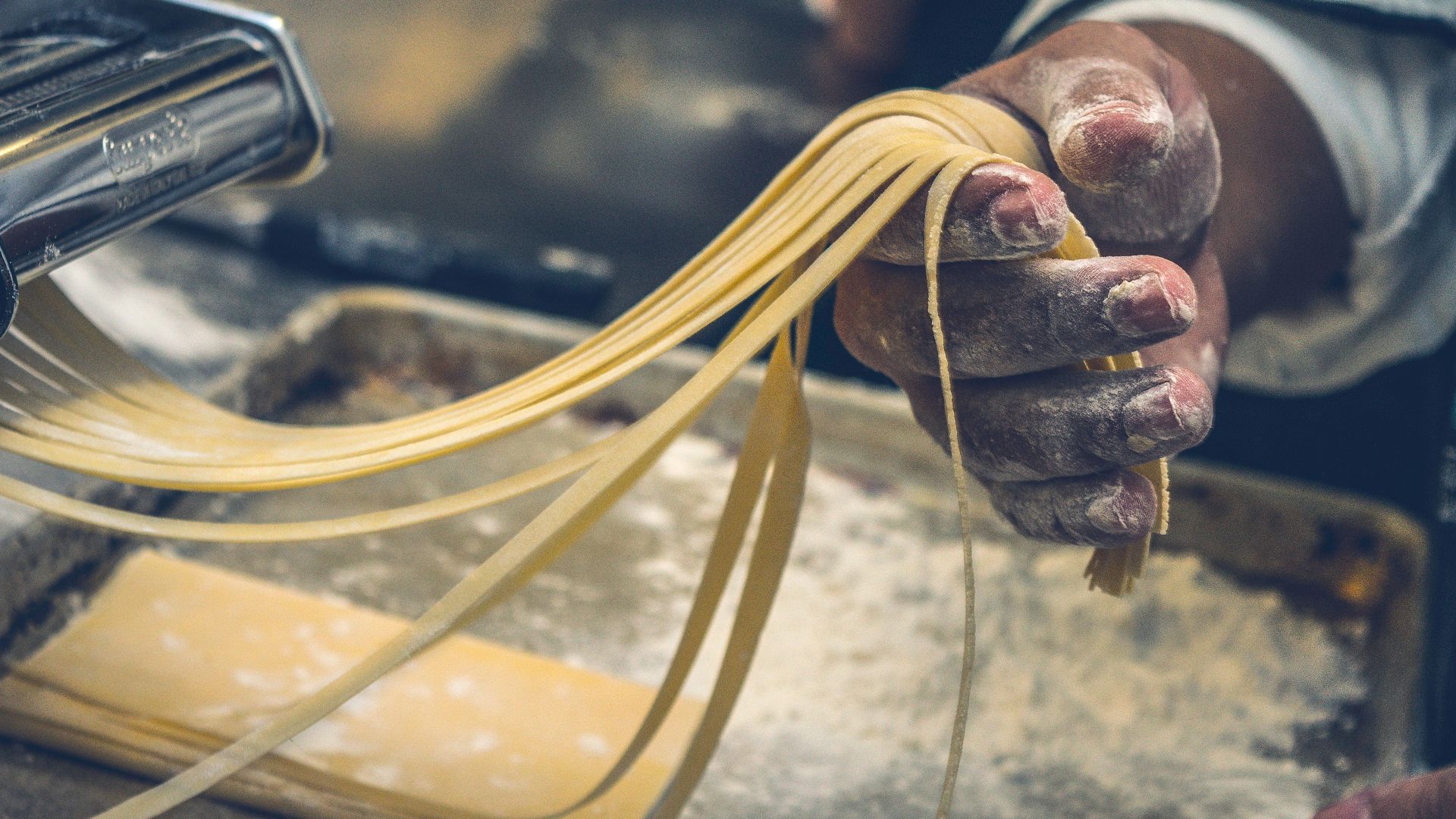
Market-to-Table Culinary Experiences
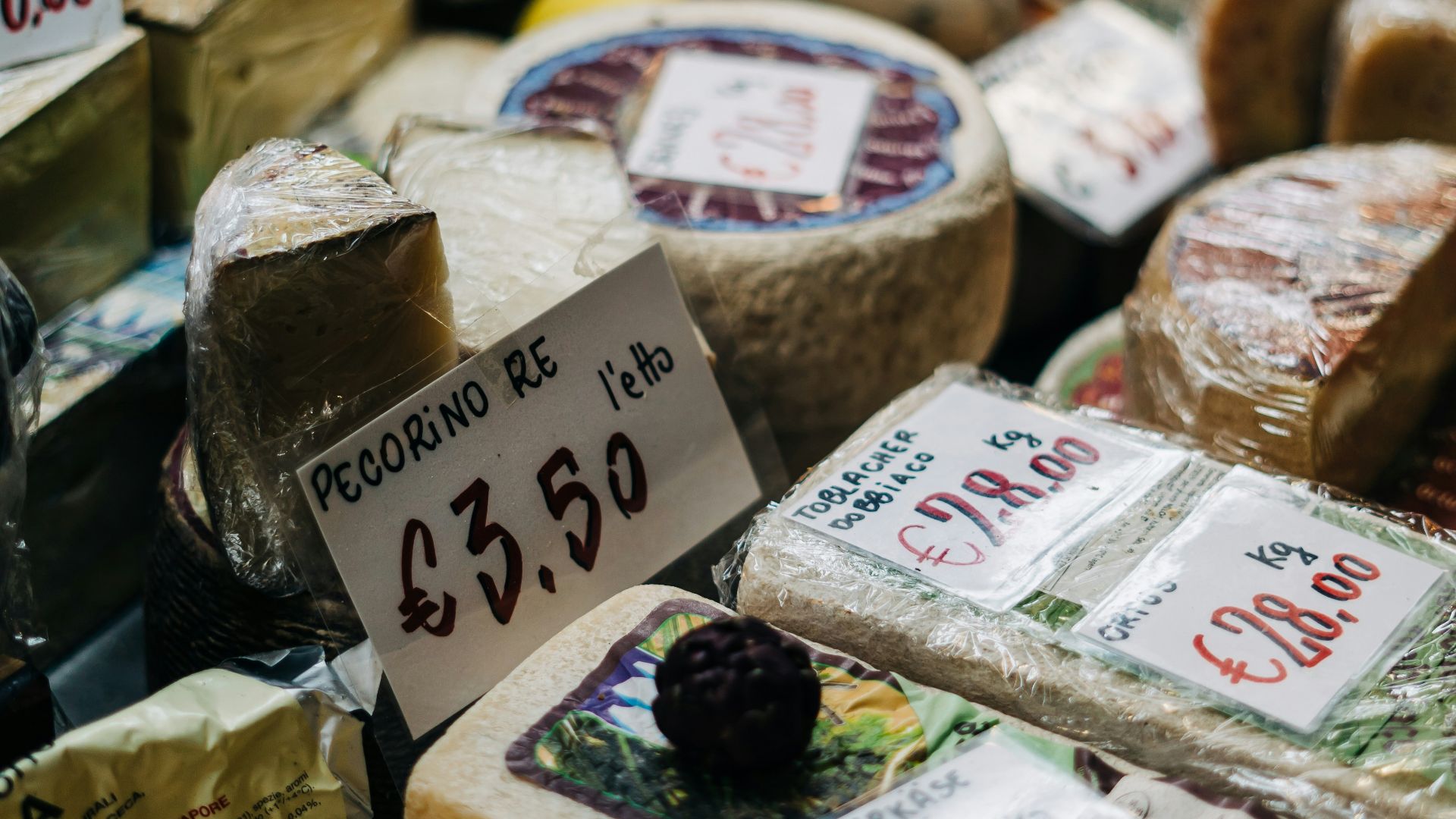
For a truly immersive experience, many classes begin in one of Rome’s bustling local markets. Campo de’ Fiori or Testaccio markets are perfect for this type of culinary experience! Here, you’ll shop alongside your instructor, selecting seasonal produce, cheeses, and meats while learning how Romans choose their ingredients. These classes highlight the importance of freshness and seasonality, key pillars of Italian cuisine, before heading back to the kitchen to transform your finds into a traditional meal.
 Gabriella Clare Marino on Unsplash
Regional Italian Cooking Classes
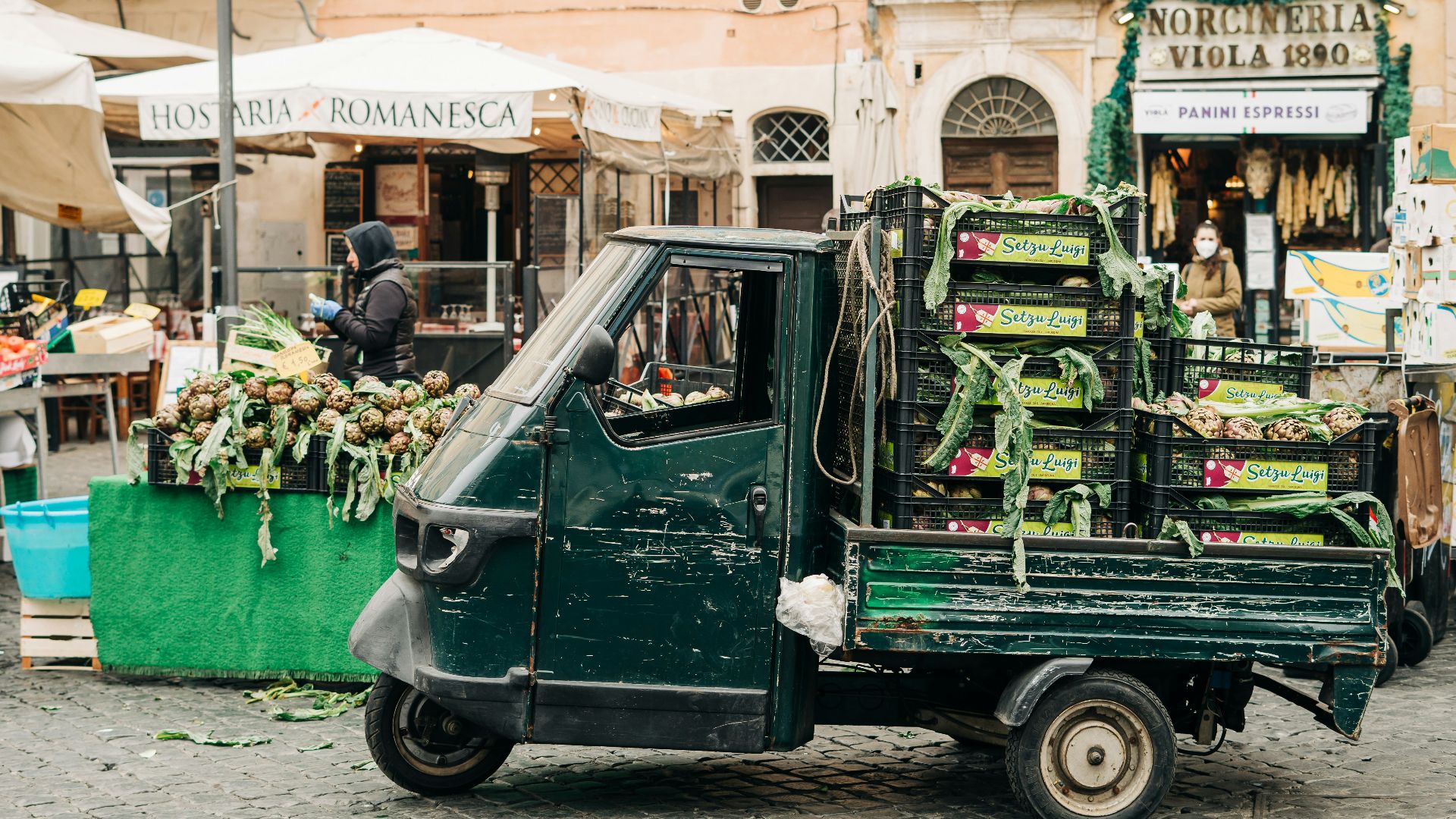
While Rome has its own distinctive cuisine, it’s also the perfect place to explore dishes from across Italy. Many cooking schools offer classes that dive into the flavors of regions like Tuscany, Sicily, or Emilia-Romagna. You might prepare rich ragù from the north, seafood dishes from the coast, or rustic vegetable recipes from the countryside. These sessions provide a broader understanding of Italy’s culinary diversity while still grounded in Roman hospitality.
Baking, Gelato, and Dessert Workshops
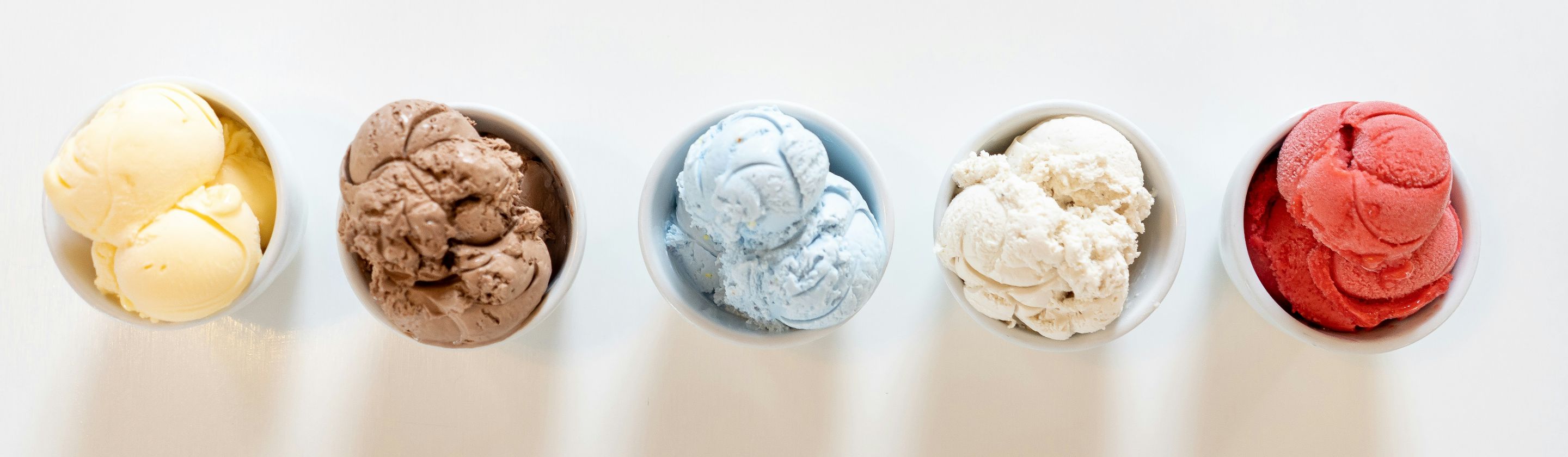
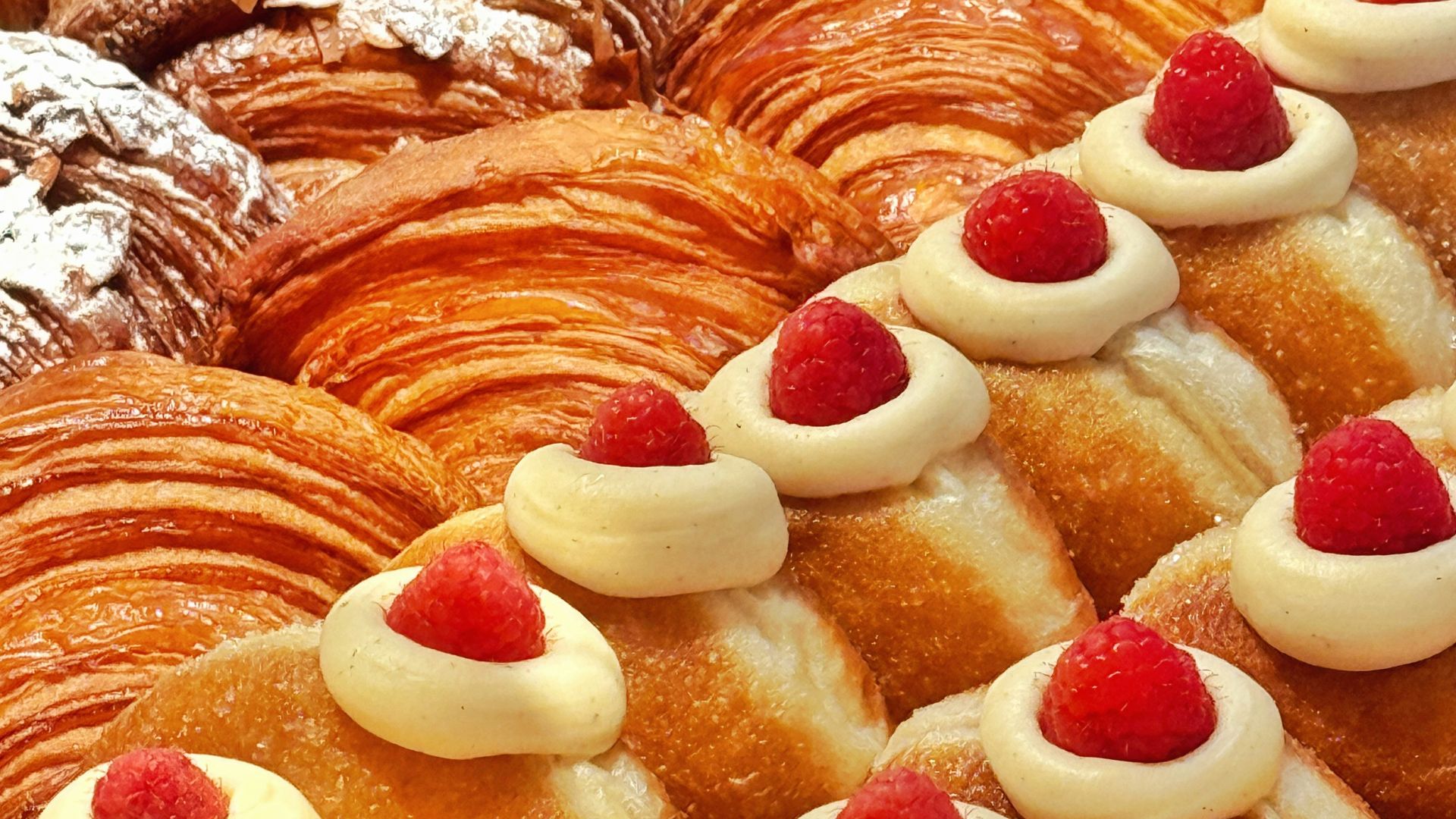
Rome’s dessert-focused classes are a must for anyone with a sweet tooth. Learn to craft classic tiramisù, delicate biscotti, or even authentic Italian gelato. These workshops often reveal the science behind traditional sweets, from achieving the perfect mascarpone texture to balancing flavors in artisanal ice cream. It’s a delicious way to explore another side of Italian culinary tradition, one that’s just as rich in history as its savory counterpart.
Family-Run and Farmhouse Cooking Experiences
For something truly special, consider a class hosted in a family home or countryside farmhouse just outside the city. These experiences offer a rare glimpse into everyday Italian life, where recipes are shared around the kitchen table and meals are enjoyed slowly, together. You might cook with nonnas (grandmothers), learn age-old preservation techniques, or harvest ingredients from the garden. It’s here that the generational traditions of Italian cooking come most vividly to life.
 Gabriella Clare Marino on Unsplash