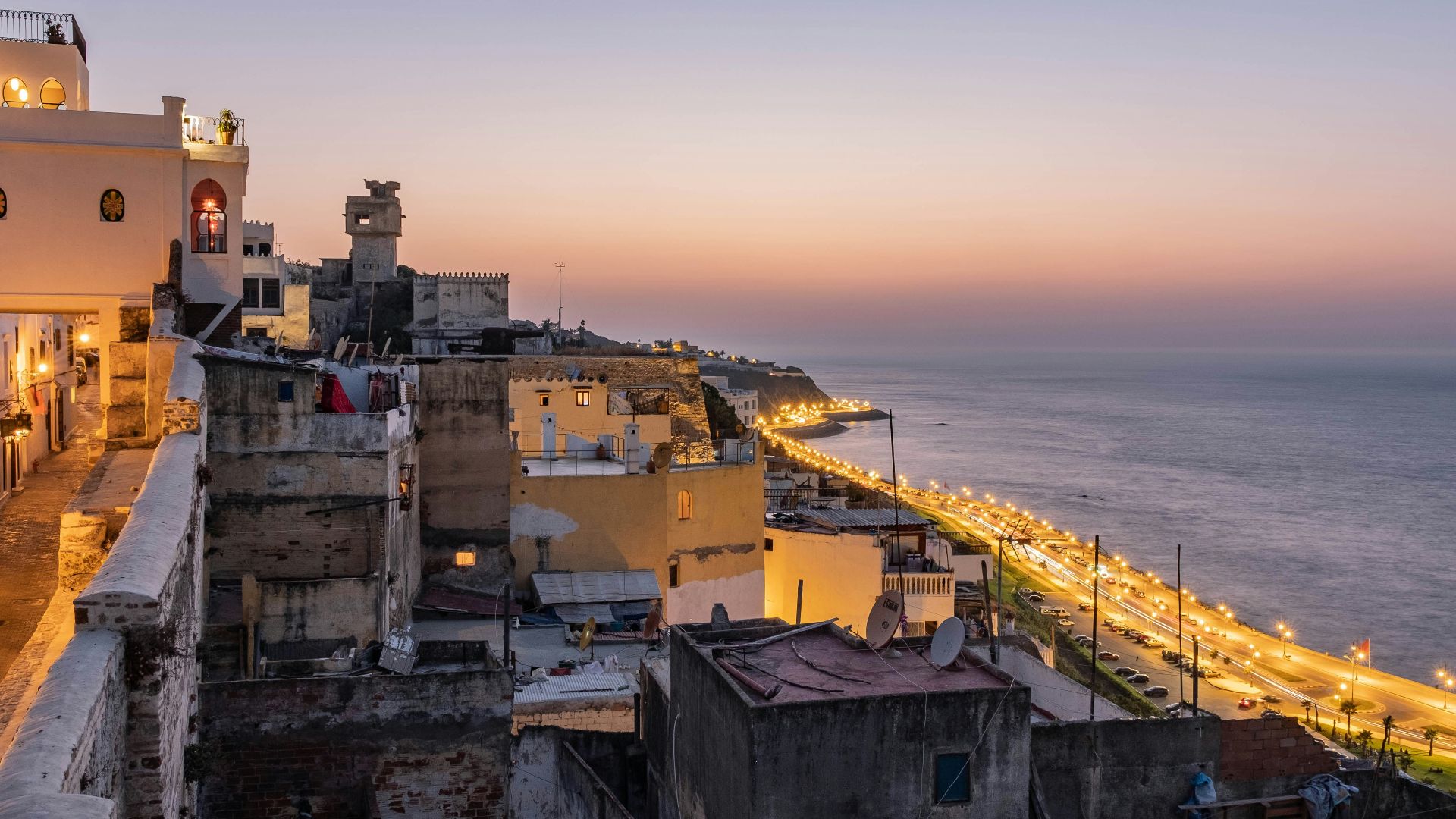
Morocco is a country that rewards curiosity. One moment you’re navigating labyrinthine medinas scented with saffron and cedar. Next, you’re watching the sun set over the Sahara or hiking snow-dusted mountain trails. Planning a trip to Morocco means balancing ancient traditions with modern comforts, desert landscapes with Atlantic coastlines, and fast-paced cities with quiet village life. With the right preparation, your journey becomes less about logistics and more about immersion. Here’s how to plan a Morocco trip that feels intentional and unforgettable.
Decide When to Visit Morocco
Spring (March–May) and autumn (September–November) are the best seasons for comfortable travel. These months offer the most pleasant temperatures across the country. Cities are warm but manageable. Desert nights aren’t freezing, and mountain trails are accessible. Summer can be intensely hot in inland cities and the Sahara. Winter brings snow to the Atlas Mountains and cool evenings in the desert. Coastal areas like Essaouira remain mild all year round.
Choose the Right Destinations for Your Travel Style
Imperial Cities and Culture — If you love architecture, history, and vibrant markets, focus on Fes, Marrakech, Rabat, and Meknes. Each offers distinct medinas, palaces, and culinary traditions.
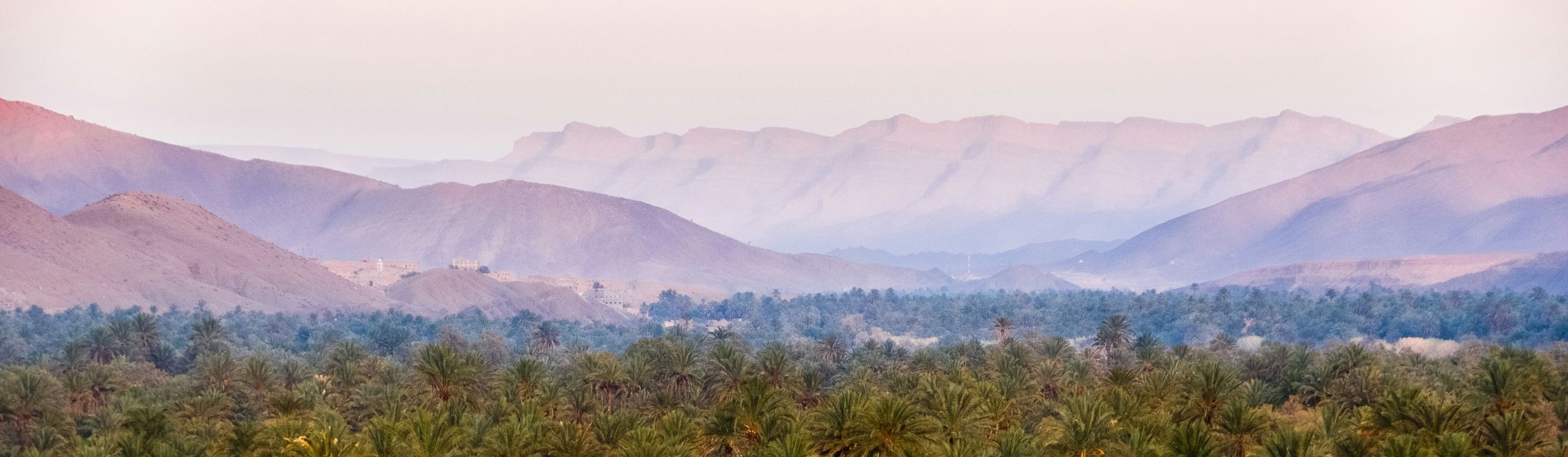
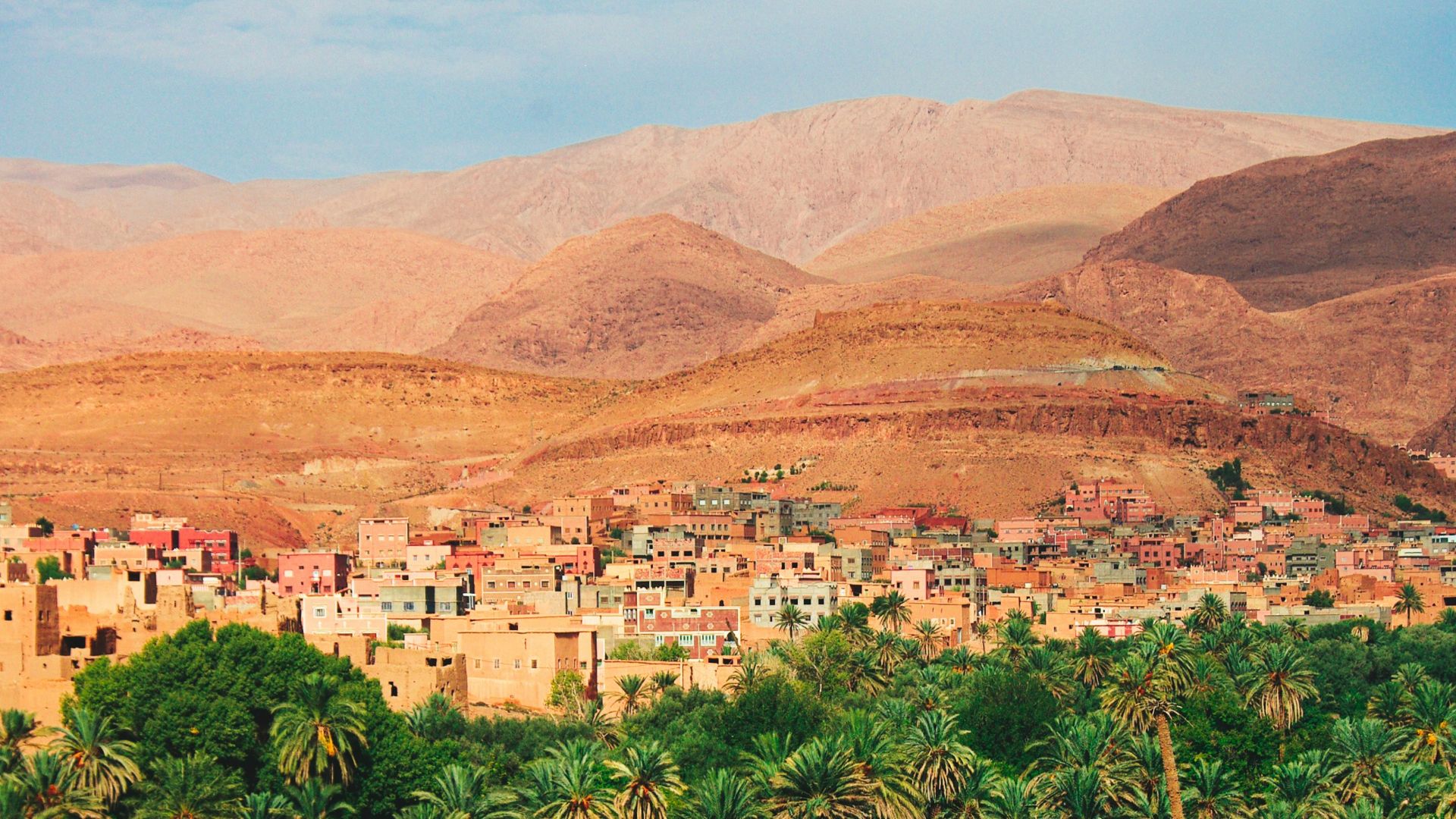
Nature and Adventure — For trekking and scenery, head to the High Atlas Mountains near Imlil or the Todra Gorge. Desert seekers can book overnight camel treks in Merzouga or Zagora for a Sahara experience.
Coastal Escapes — Essaouira and Taghazout provide laid-back Atlantic energy, fresh seafood, and surfing culture. These cities are a refreshing contrast to Morocco’s bustling cities.
Plan Transportation and Getting Around
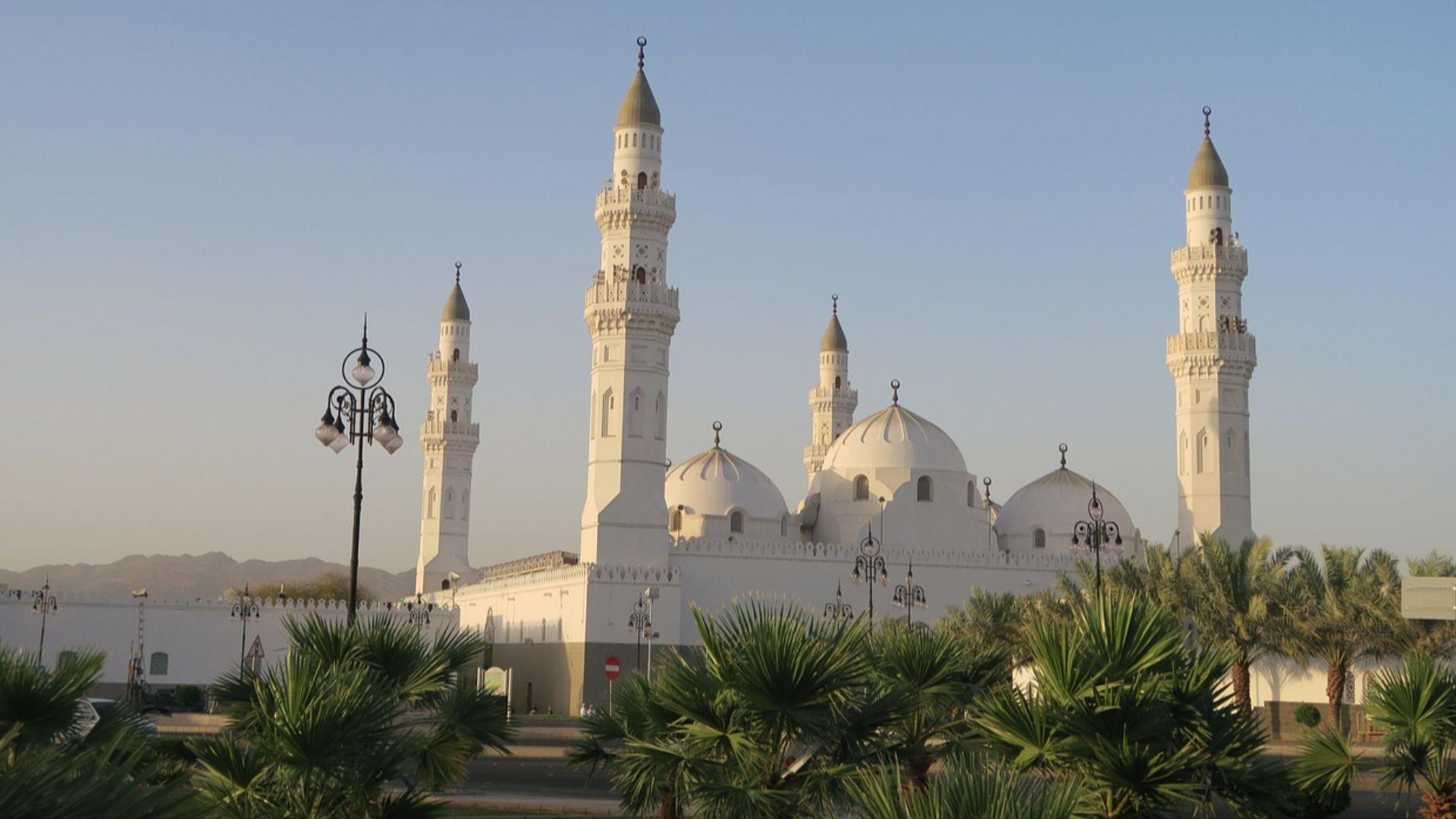
Most international travelers fly into Casablanca or Marrakech. High-speed trains connect major cities like Casablanca, Rabat, and Tangier efficiently and comfortably. For multi-city itineraries, hiring a private driver simplifies logistics and allows flexibility. Trains and buses are affordable and reliable between major hubs, but rural areas require more planning.
Understand Cultural Etiquette and Practical Tips
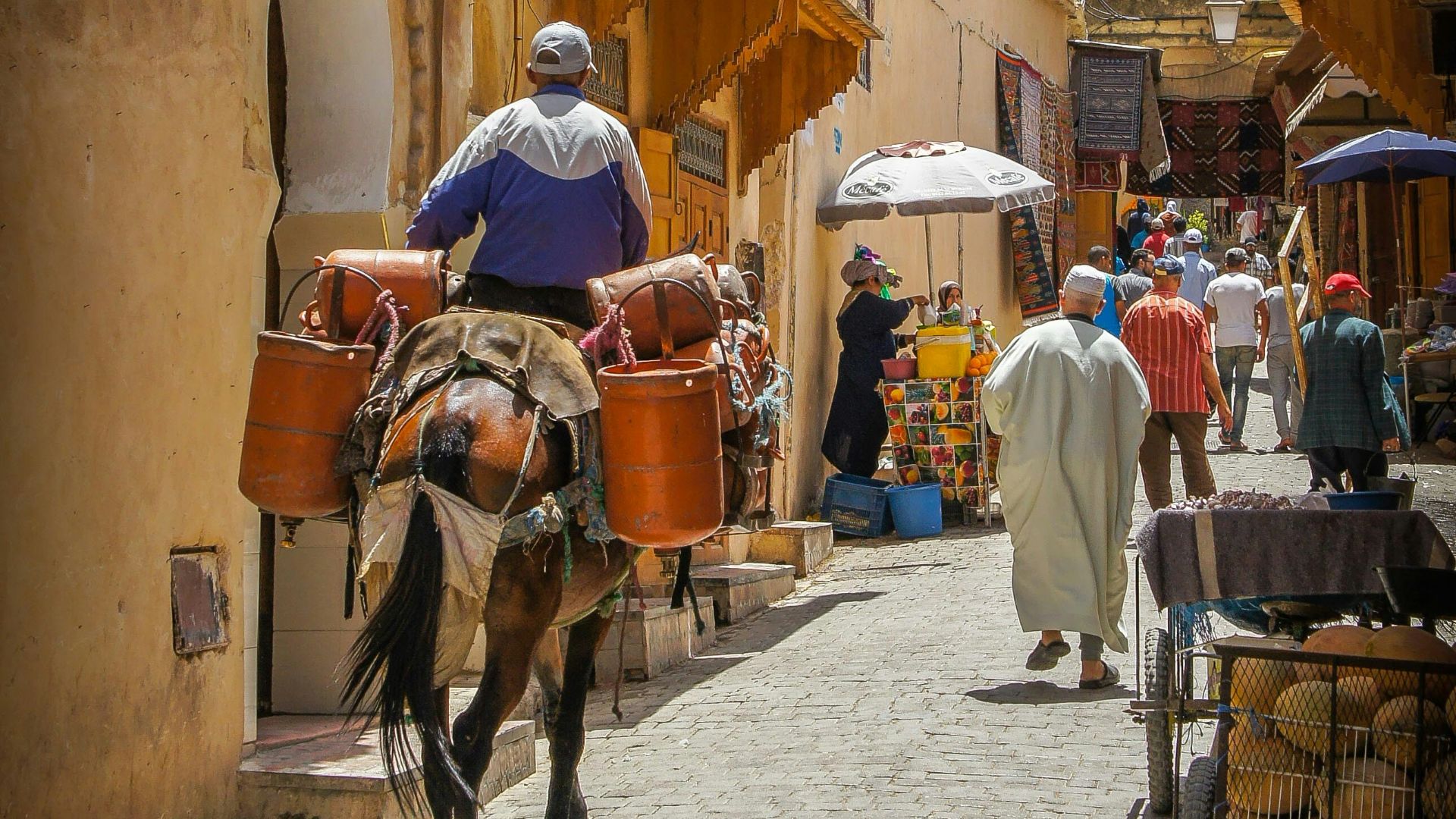
Morocco is modern yet traditional. Lightweight clothing that covers shoulders and knees is respectful and practical. In rural areas especially, modest attire is appreciated. Arabic and Amazigh are official languages, with French widely spoken. In tourist areas, English is increasingly common, but learning basic greetings goes a long way. "Marhaban" or "marhaba" is "hello." "Min Fadlak" to a male and "Min Fadlik" to a female is "please." "Shukran" is "thank you" and "Tisbah 'ala khayr" to a male and "Tisbahy 'ala khayr" to a female is said when leaving. The Moroccan dirham is a closed currency, so exchange money locally. Credit cards are accepted in hotels and larger restaurants, but medinas and small shops typically require cash.
Build a Balanced Itinerary
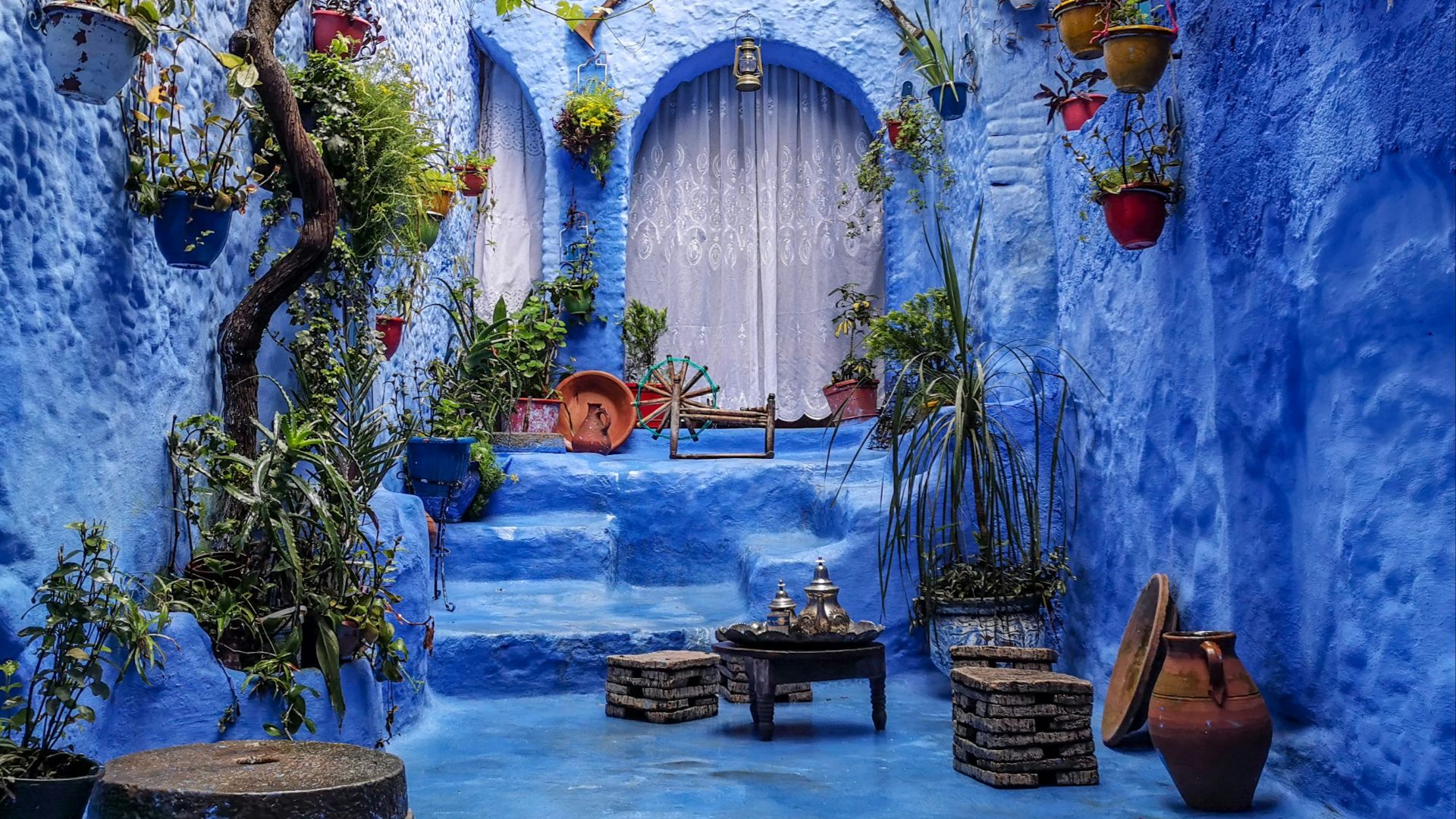
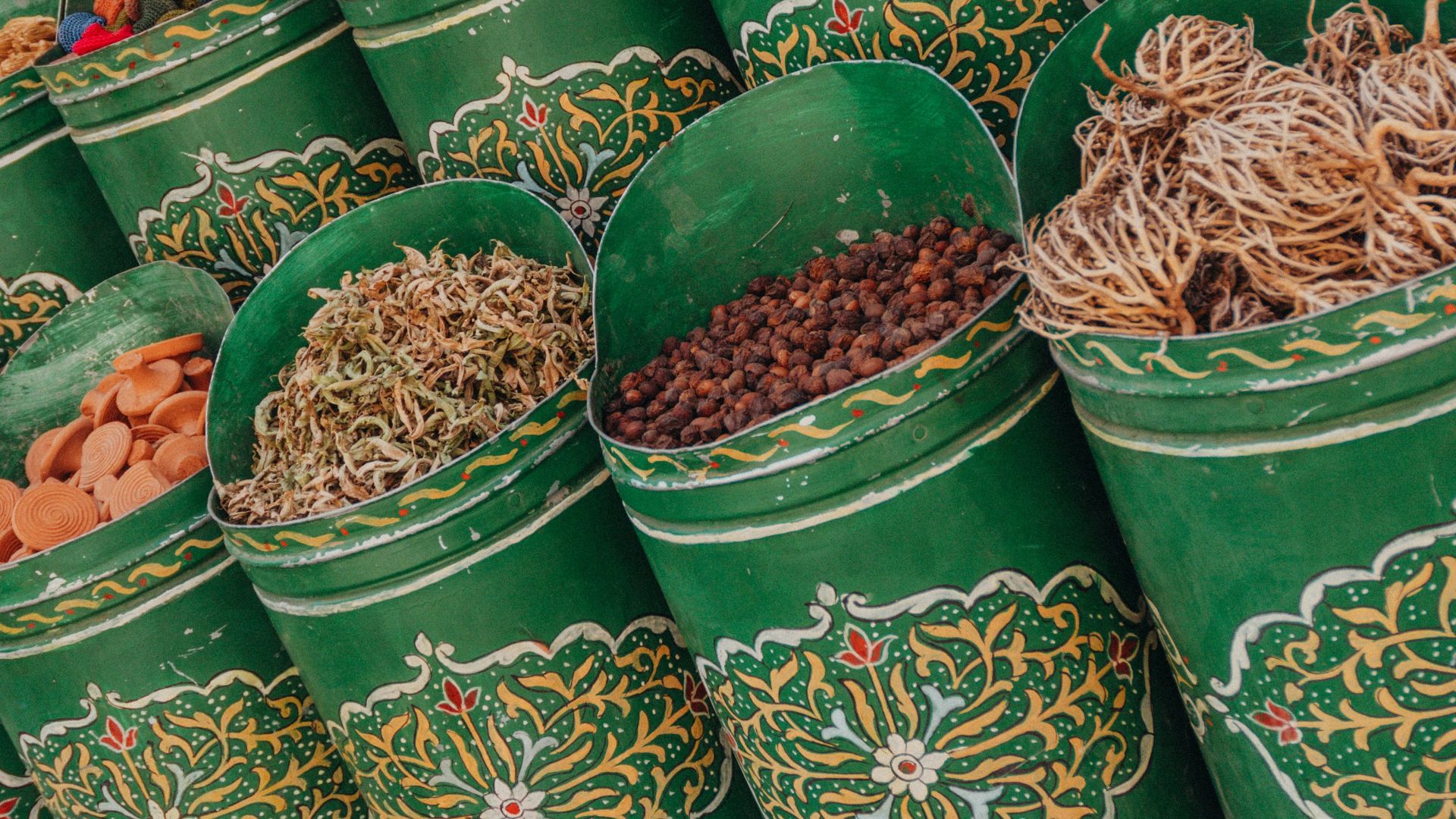
It’s tempting to pack Marrakech, Fes, the Sahara, and the Atlas Mountains into one short trip. Instead, prioritize depth over distance to avoid travel fatigue. Morocco thrives in spontaneous moments: a mint tea invitation, a hidden riad courtyard, a sunset call to prayer echoing through ancient walls. Building downtime into your schedule allows these experiences to unfold naturally. Planning a trip to Morocco is about embracing contrast. Appreciate desert silence and city sound, ancient ritual and modern design, adventure and hospitality. Prioritize realistic pacing and cultural awareness to enjoy Morocco to its fullest.