Sapa, Vietnam: How to Get There, How Long to Stay, and What to Do in the Mountain Highlands
Sapa, Vietnam: How to Get There, How Long to Stay, and What to Do in the Mountain Highlands
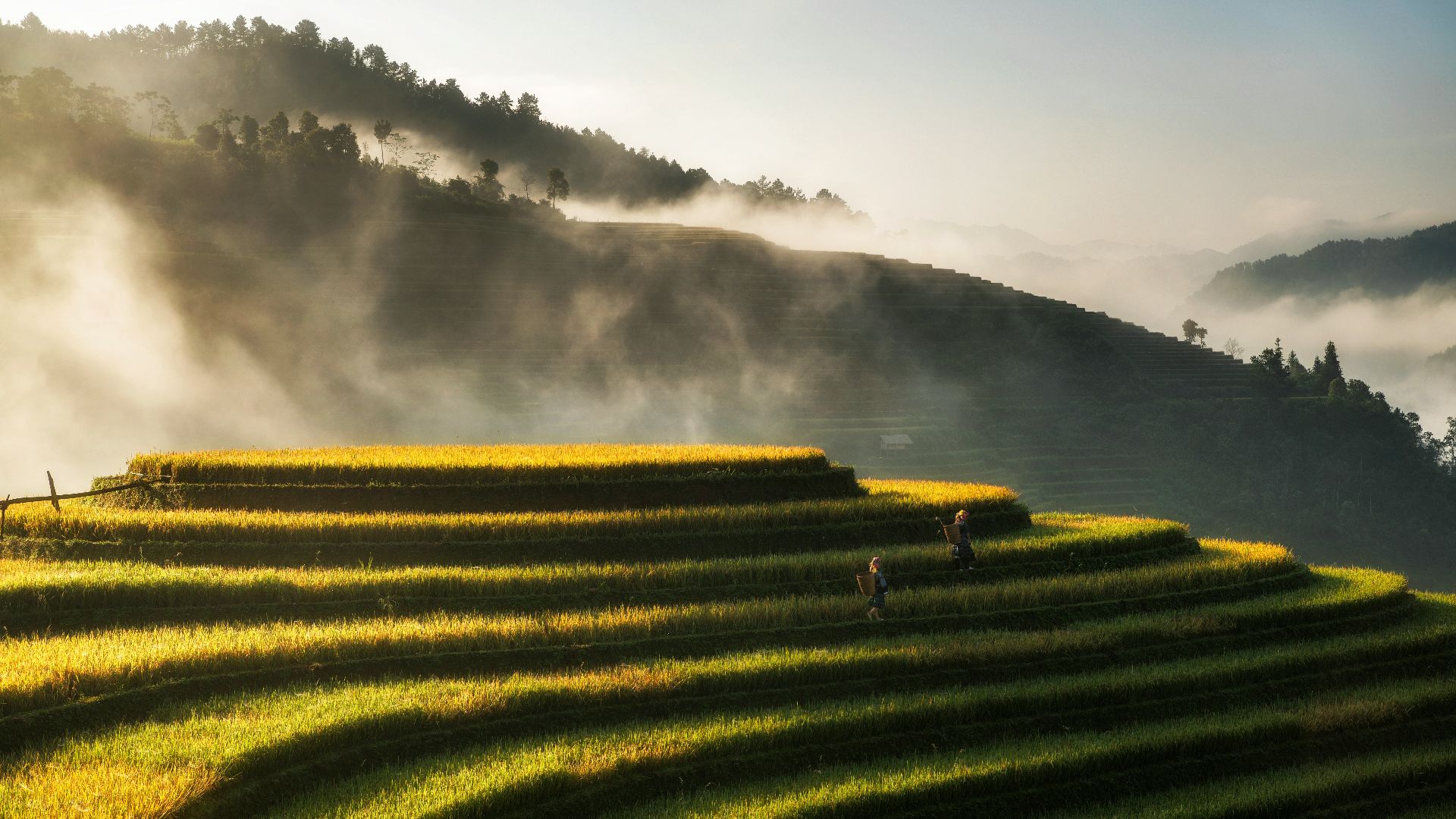
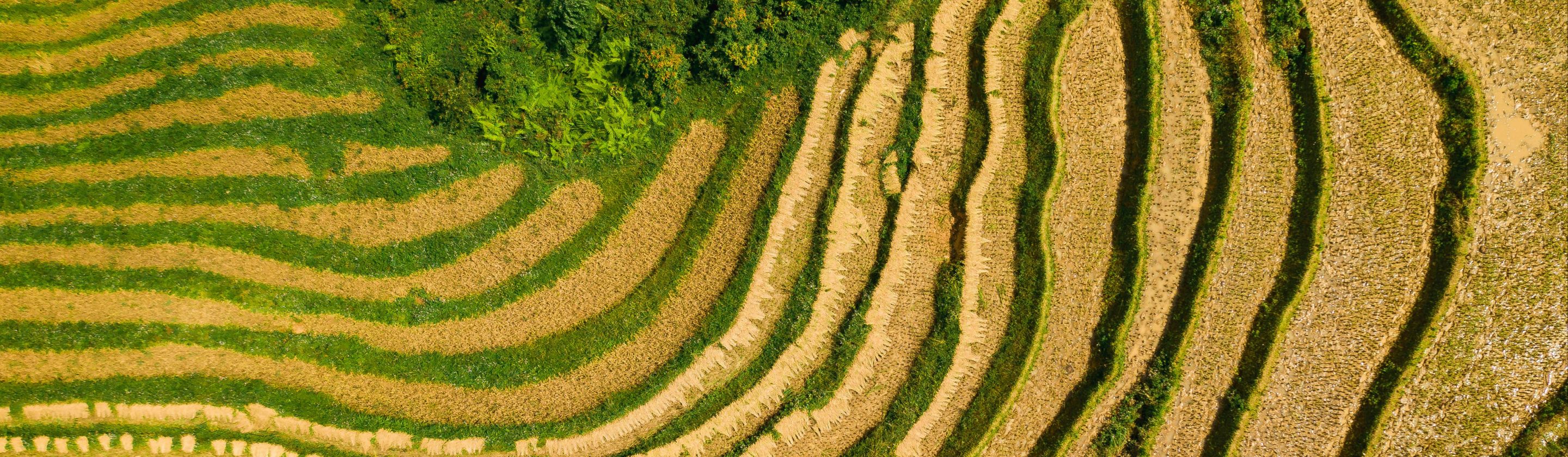
Sapa is a dramatic region high in Vietnam’s northern mountains. The area boasts layers of rice terraces rippling across steep valleys. Clouds drift low over wooden villages and daily life follows rhythms shaped by the land rather than the clock. It’s a place that rewards curiosity and patience. A few well-chosen days can offer unforgettable landscapes and meaningful encounters. Sapa invites us to enjoy a slower perspective on travel.
Where Is Sapa and How Far Is It From Hanoi?
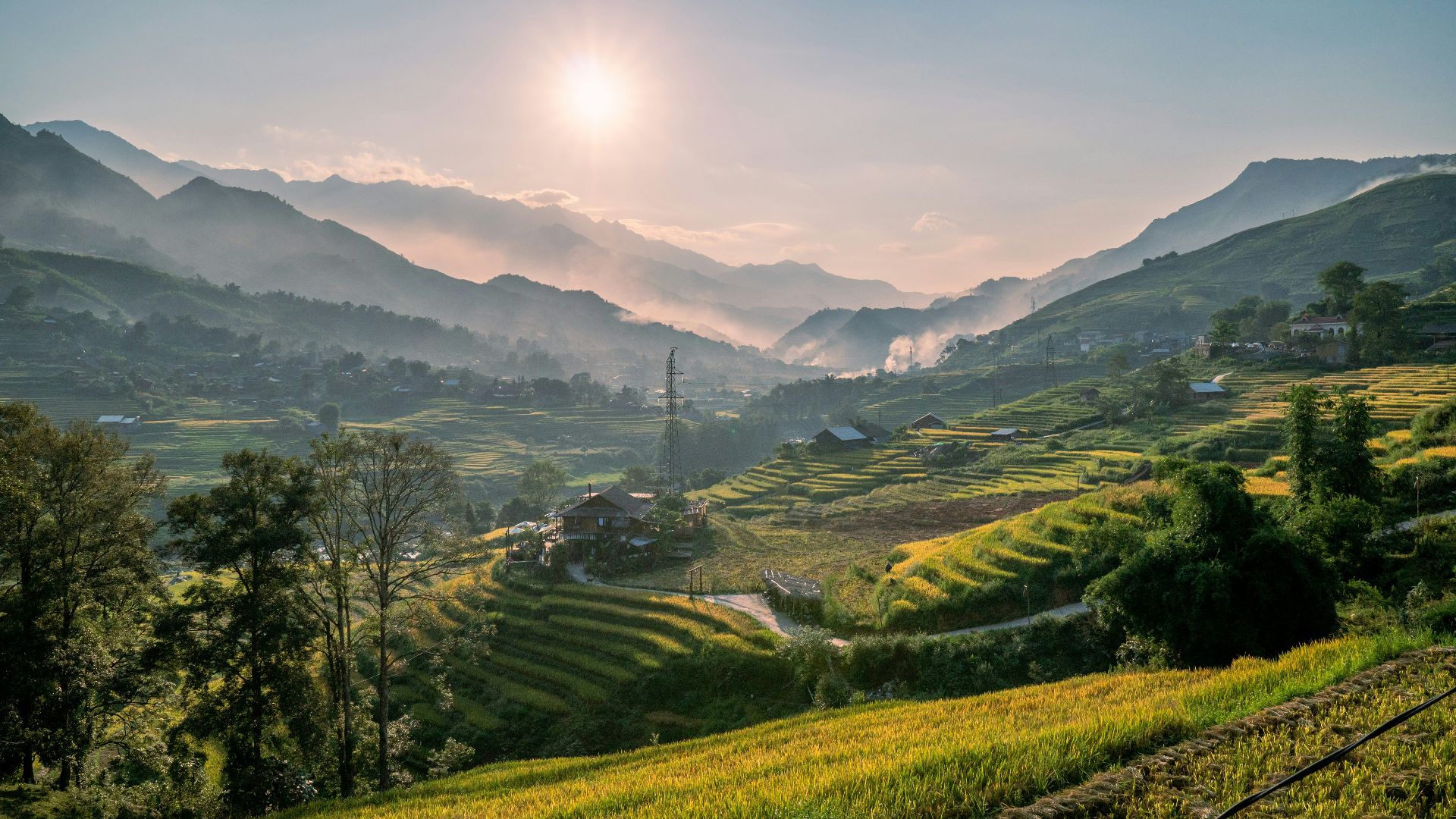
Sapa is located in Vietnam’s far northwest, close to the Chinese border, in the Hoàng Liên Son mountain range. From Hanoi, Sapa is roughly 315 kilometers (about 196 miles) away. While the distance isn’t huge, the mountainous terrain means travel time matters more than kilometers. Most travelers reach Sapa via overnight train or bus to Lào Cai, followed by a one-hour drive up winding mountain roads. The entire journey typically takes between 6 and 8 hours. The effort is well worth it though! Sapa’s dramatic valleys, misty peaks, and terraced rice fields feel worlds away from the capital’s buzz.

How Long Should You Stay in Sapa?
Ideally, plan for at least two full days in Sapa. Keep in mind that, if possible, three to four days allows for a much richer experience. A short stay lets you see the highlights (town viewpoints, one trek, and perhaps Fansipan) but it can feel rushed. With extra time, you can explore multiple ethnic villages, take longer hikes through the valleys, and experience Sapa at a slower, more authentic pace. If trekking and photography are priorities, staying longer also gives you flexibility around weather, which can change quickly in the mountains.

Trekking, Rice Terraces, and Village Life
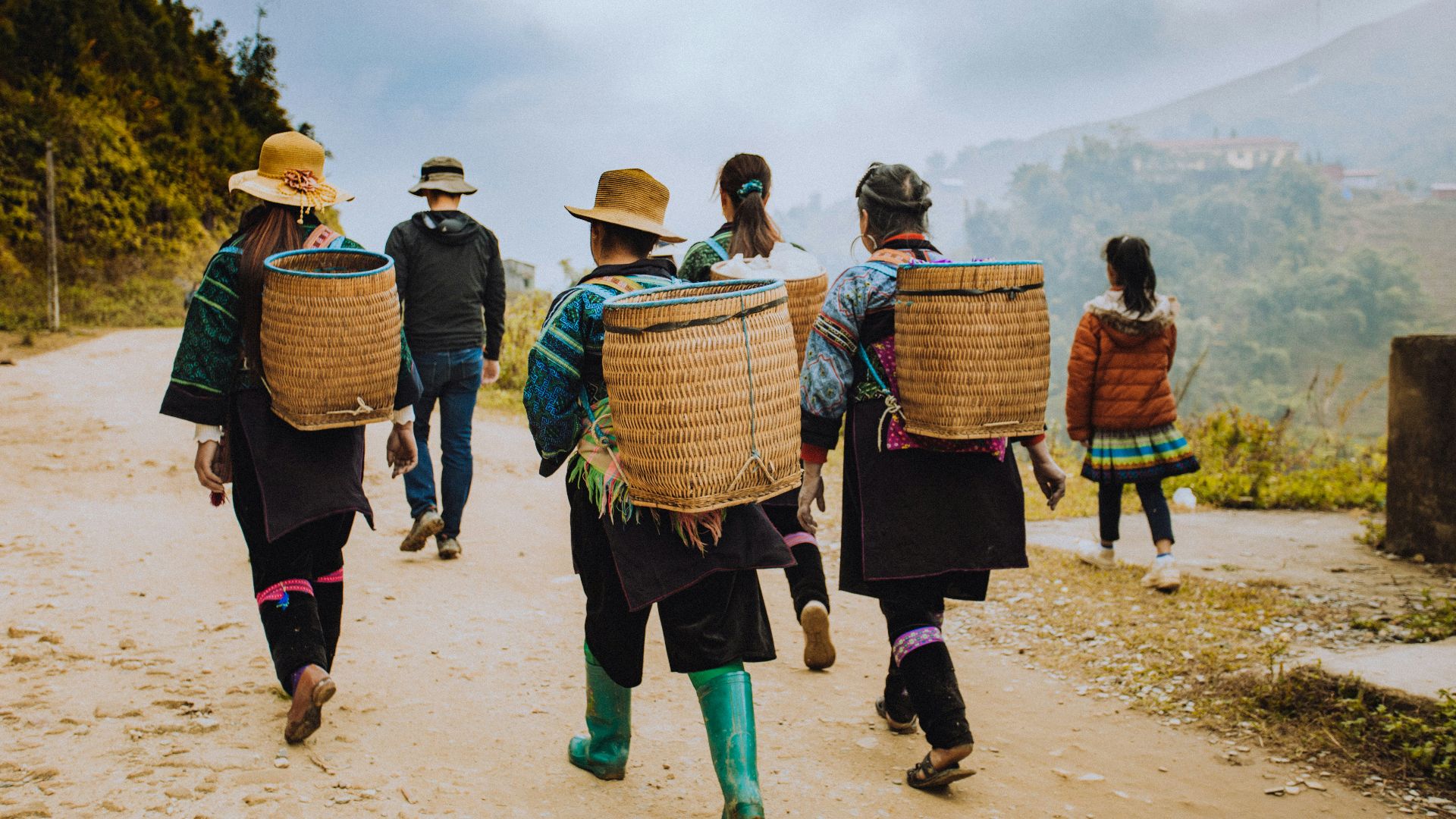
Trekking is the main reason travelers come to Sapa. Trails wind through some of Vietnam’s most spectacular rice terraces. You'll pass waterfalls, bamboo forests, and traditional villages such as Lao Chai, Ta Van, and Cat Cat. These villages are home to ethnic minority groups including the Hmong, Dao, and Tay, each with distinct traditions, clothing, and architecture. Guided treks offer cultural insight and navigation help, while independent hikes suit experienced walkers comfortable with maps and uneven terrain. Either way, walking through the valleys is the best way to understand the region’s beauty and rhythm of life.
Fansipan and Other Things to Do in the Region
Known as “the Roof of Indochina,” Mount Fansipan rises 3,143 meters above sea level. Adventurous travelers can hike to the summit over two to three days, while others opt for the modern cable car, which offers sweeping views of the mountains. Beyond Fansipan, Sapa town itself has lively markets and scenic viewpoints like Ham Rong Mountain. Its cozy cafés are perfect for foggy afternoons. Nearby waterfalls, such as Silver Waterfall and Love Waterfall, make easy half-day trips and are especially impressive after rainfall.
Practical Travel Tips for Visiting Sapa
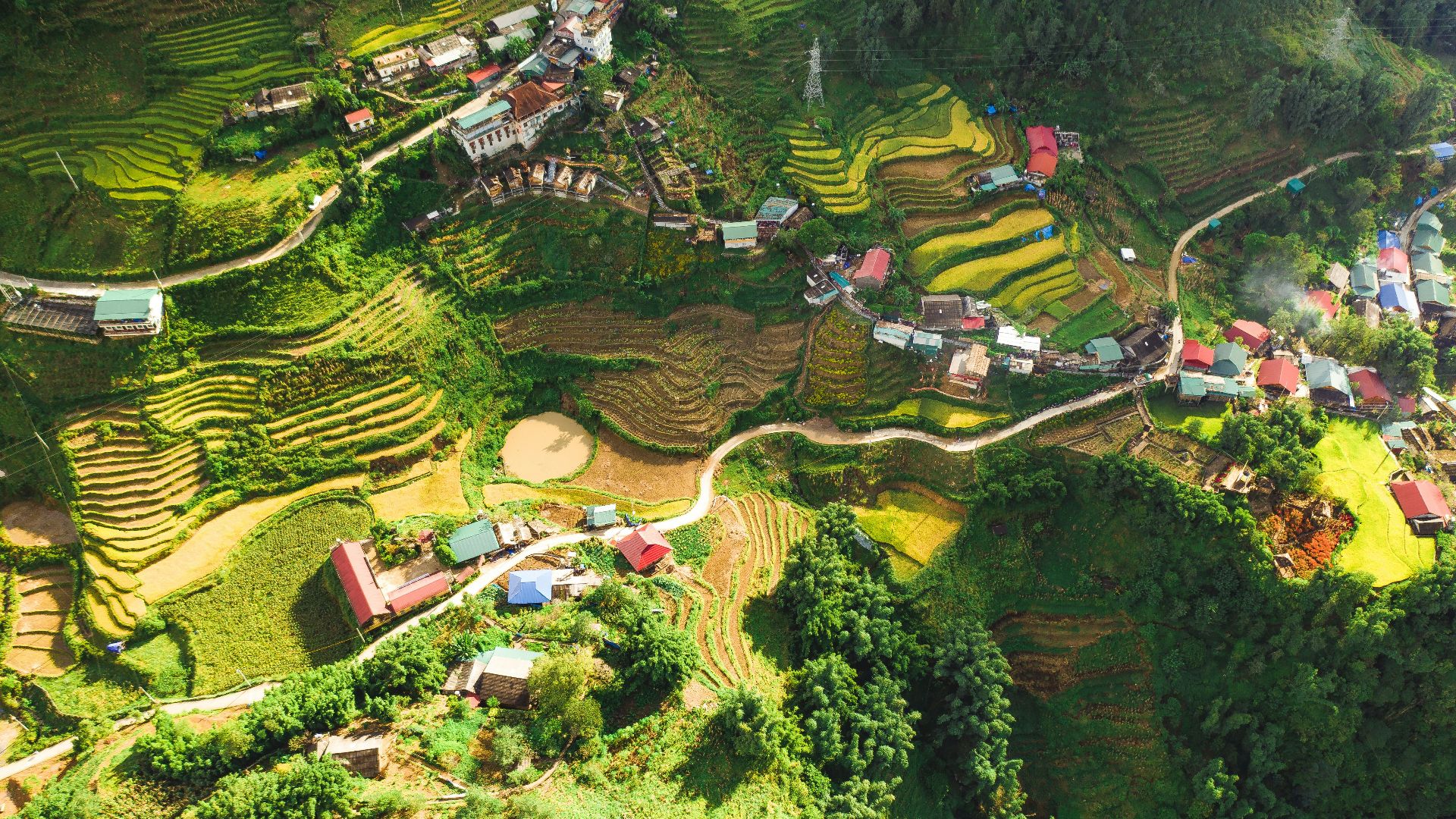
The best time to visit Sapa is from March to May and September to November, when temperatures are mild and visibility is good. Summer brings lush green terraces but also rain, while winter can be cold and foggy. Pack layers, sturdy walking shoes, and rain protection year-round. Book transport and accommodation in advance during peak seasons, and consider staying in a village homestay for a quieter, more immersive experience. Finally, be respectful when visiting ethnic communities. Ask before taking photos and support local guides and businesses whenever possible.