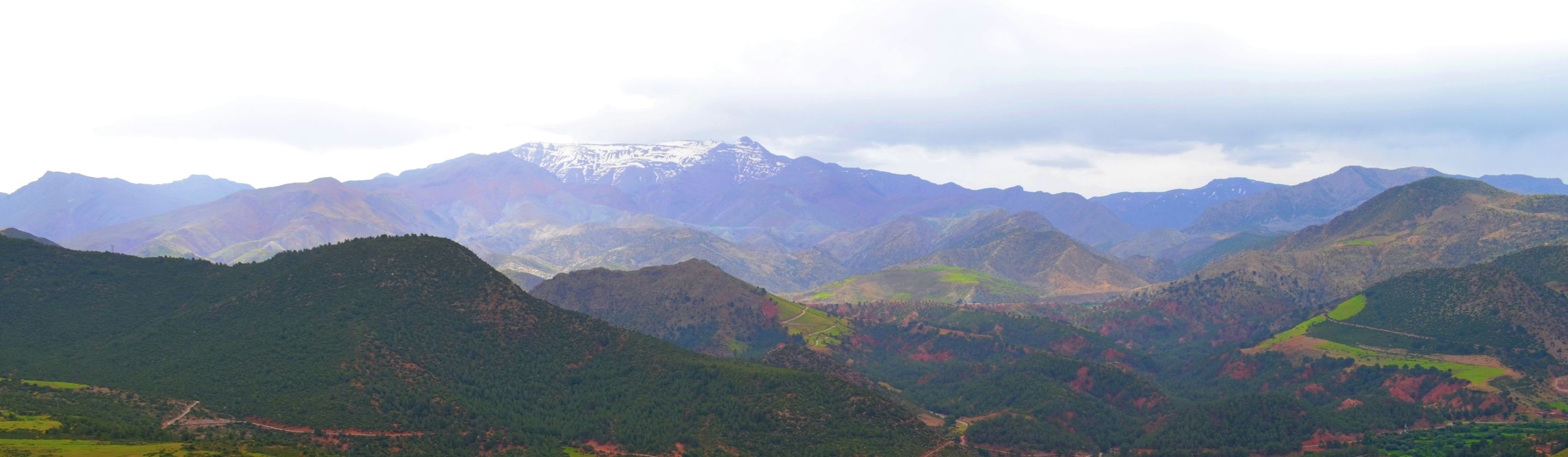
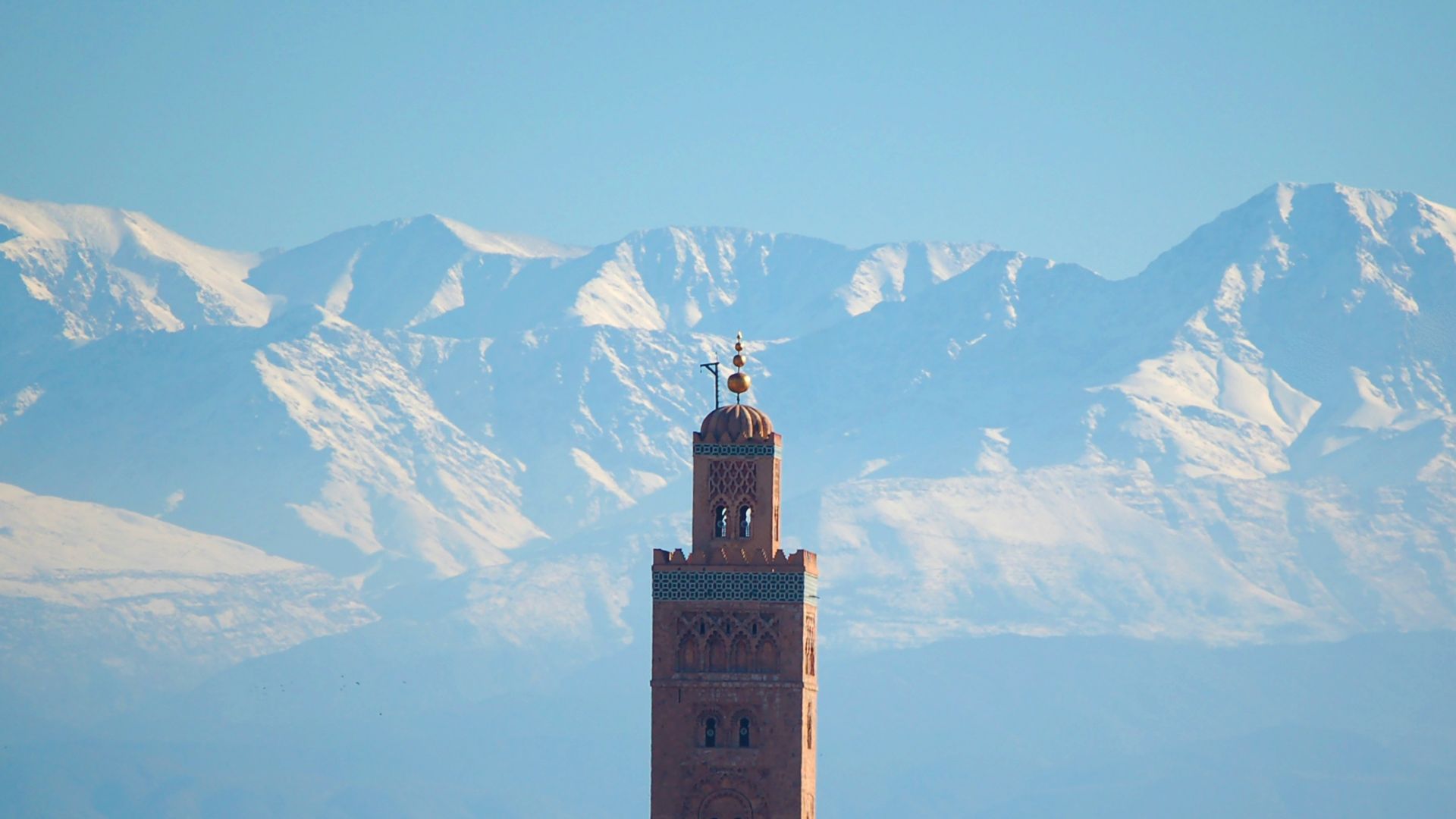
A completely different Morocco lies just beyond the bustling souks and terracotta rooftops of Marrakech. Here, travelers encounter snow-dusted peaks, remote Berber villages, and sweeping valleys carved by time. The Atlas Mountains offer some of North Africa’s most rewarding trekking. The best part is how accessible it is. Within an hour of leaving the city, travelers can swap traffic for trails and immerse themselves in landscapes that feel worlds away.
Why the Atlas Mountains Are Perfect for First-Time Trekkers
The Atlas range stretches across Morocco, Algeria, and Tunisia, but the High Atlas near Marrakech is the most accessible and trek-friendly region. Trails range from gentle village walks to multi-day expeditions, making it ideal for beginners and experienced hikers. Unlike many trekking destinations, routes here pass through living communities rather than remote wilderness. Along the way, you’ll encounter terraced farms and shepherds guiding goats along ridgelines. You may pass local families and receive warm welcomes. This combination of culture and scenery is what makes Atlas trekking so memorable.
Best Time to Trek the Atlas Mountains
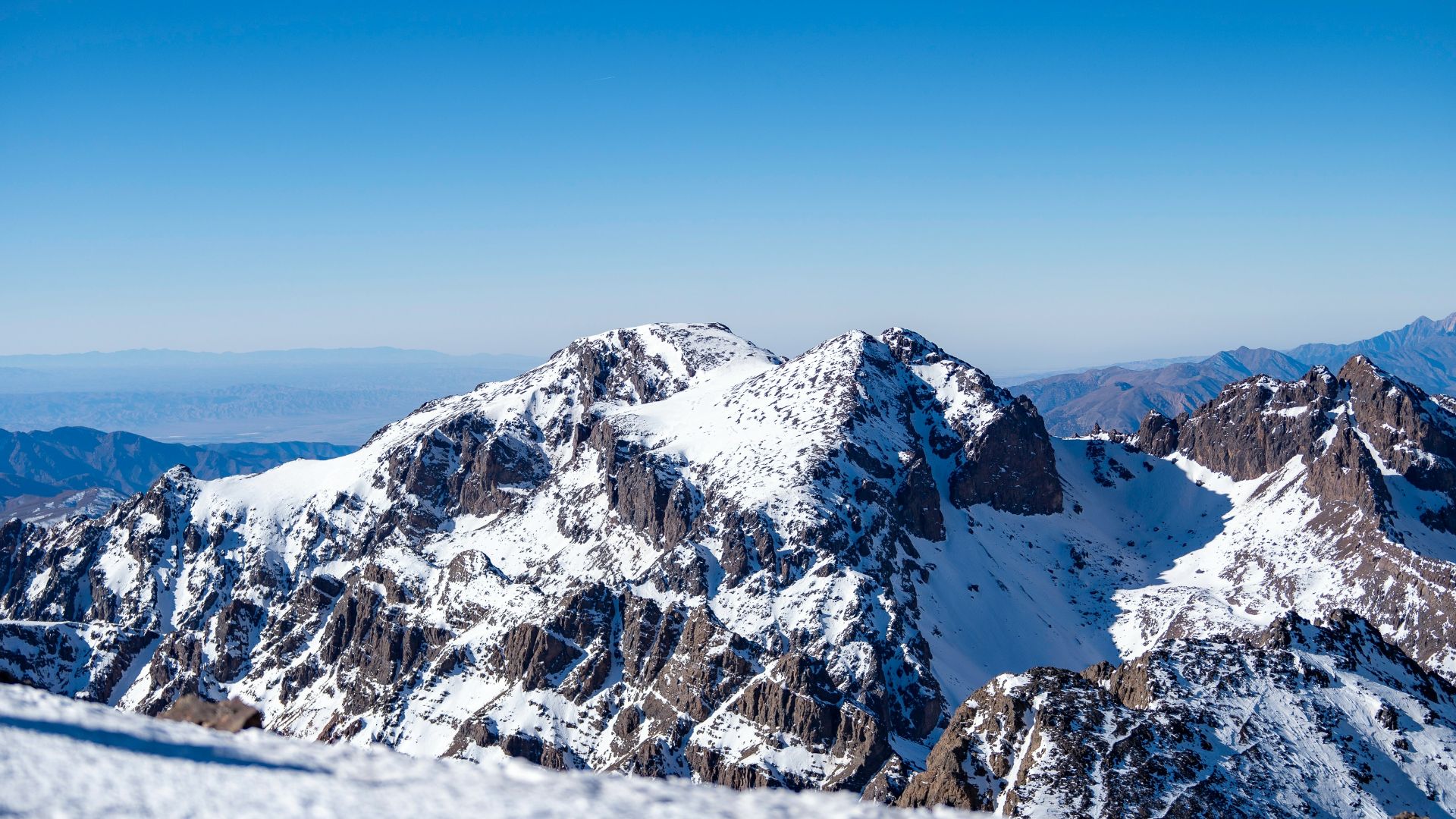
Timing your trek makes a huge difference. The most comfortable trekking seasons are spring (March–May) and autumn (September–November) when daytime temperatures are mild and skies are clear. Summer can be very hot in lower valleys, while winter brings snow to higher elevations, especially around Mount Toubkal. However, winter trekking can still be incredible if you’re prepared for colder conditions and guided routes.
Mount Toubkal: North Africa’s Highest Peak
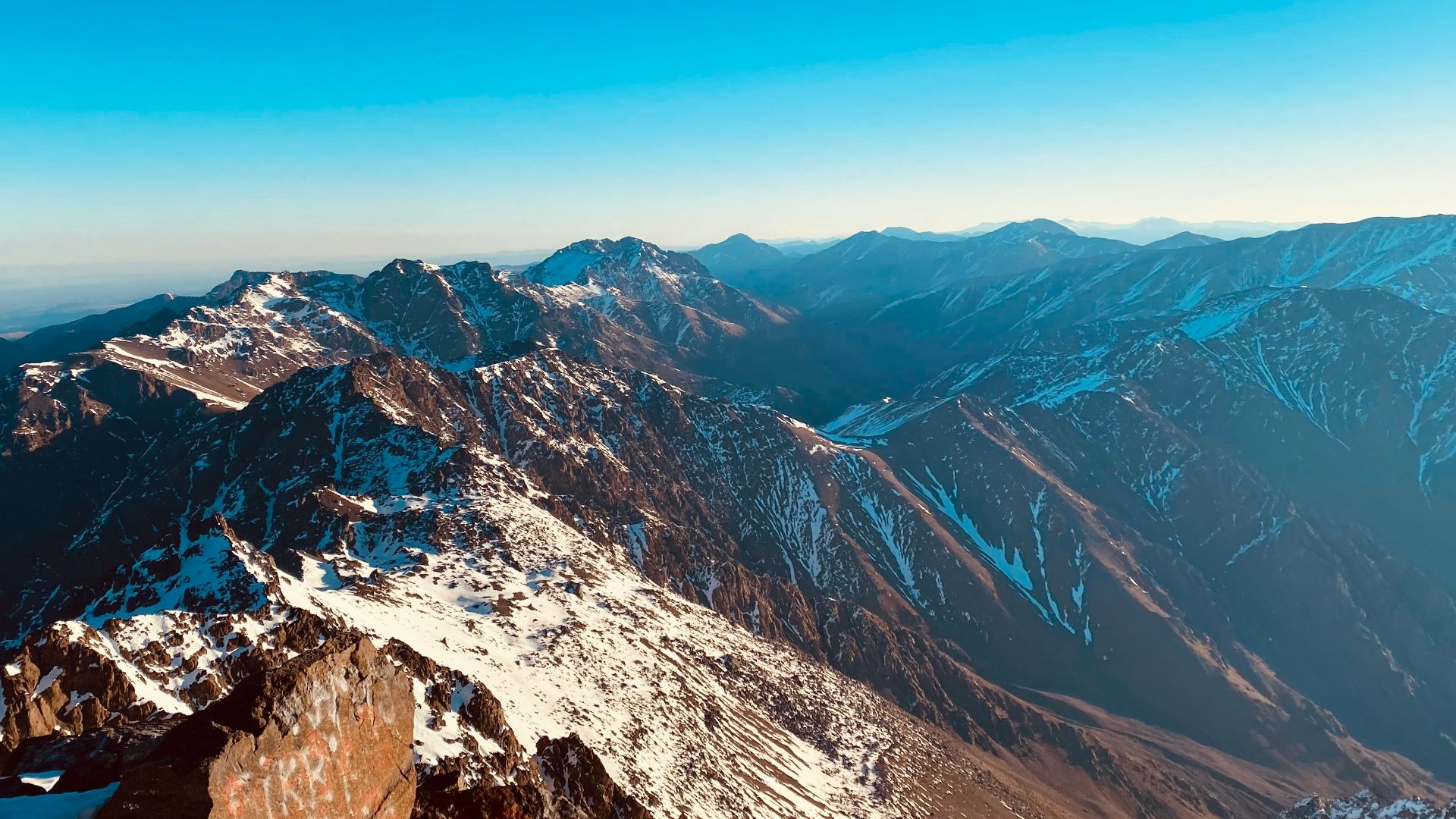
Standing at 4,167 meters (13,671 ft), Mount Toubkal is the crown jewel of Atlas trekking. Surprisingly, summiting it doesn’t require technical climbing skills, making it one of the world’s most accessible high peaks. Most trekkers complete the climb over two or three days, starting from the village of Imlil. The reward is unforgettable sunrise views stretching across the Atlas range and into the Sahara on clear days. This is for sure a bucket-list moment for adventure travelers.
Trekking Through Berber Villages and Valleys
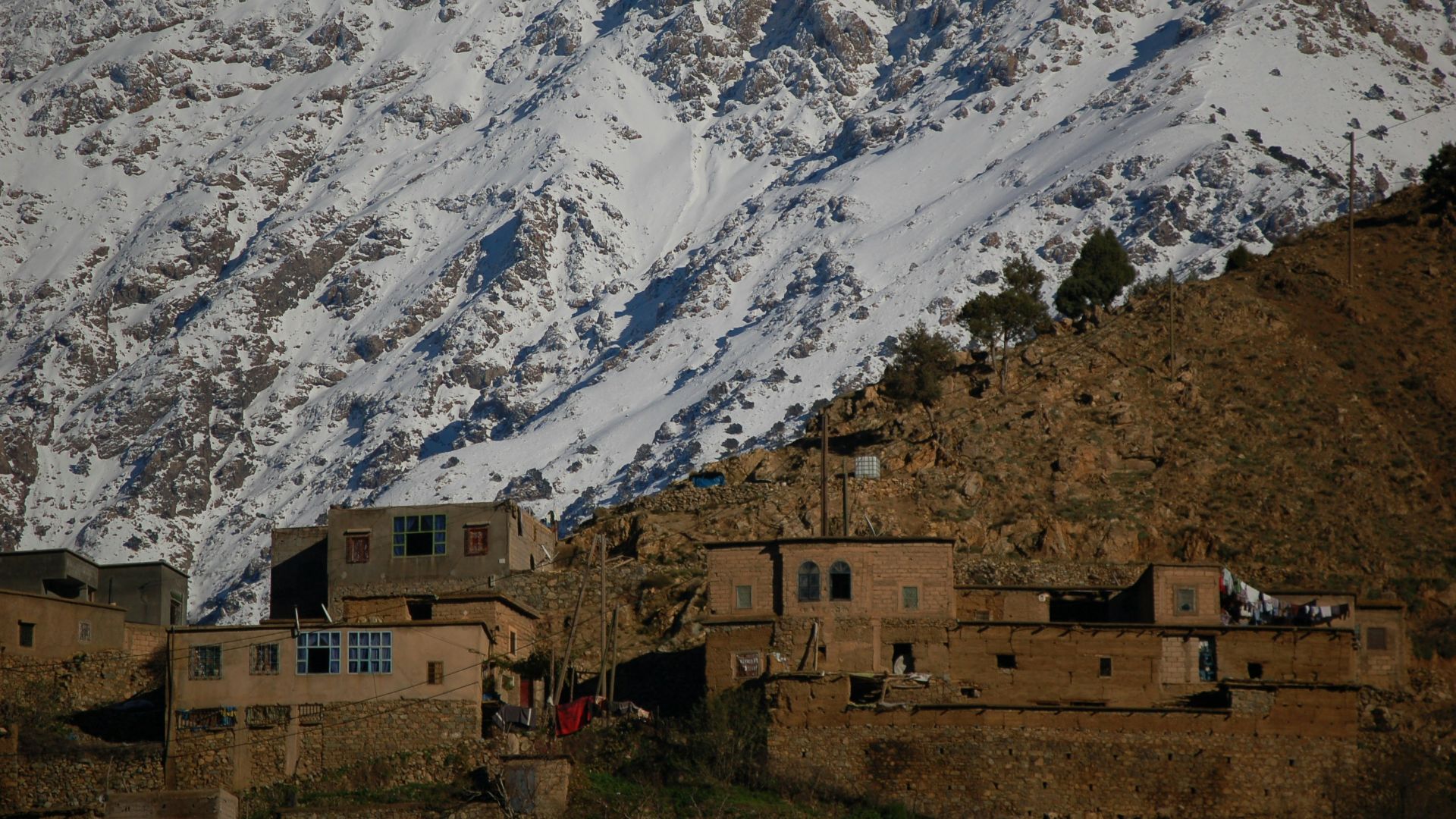
Beyond the summit routes, the Atlas Mountains shine through multi-day village treks. Routes through the Ourika Valley, Azzaden Valley, and Imlil region offer breathtaking scenery paired with deep cultural immersion. Expect stone houses clinging to hillsides, walnut groves, terraced crops, and tea served in traditional homes. Many treks include stays in local guesthouses or mountain refuges, offering an authentic experience that supports local communities. Meals are simple, hearty, and deeply tied to the rhythms of mountain life. Enjoy tagine, a slow-cooked stew prepared in a clay pot with a conical lid. Expect combinations like chicken with preserved lemon and olives, lamb with prunes and almonds, or vegetable tagine packed with carrots, zucchini, and chickpeas. The flavors are rich and comforting after a long day of hiking. If given the occasion, try fresh Moroccan bread (khobz), baked daily and used to scoop up tagine, and couscous, traditionally served on Fridays and piled high with vegetables and tender meat.
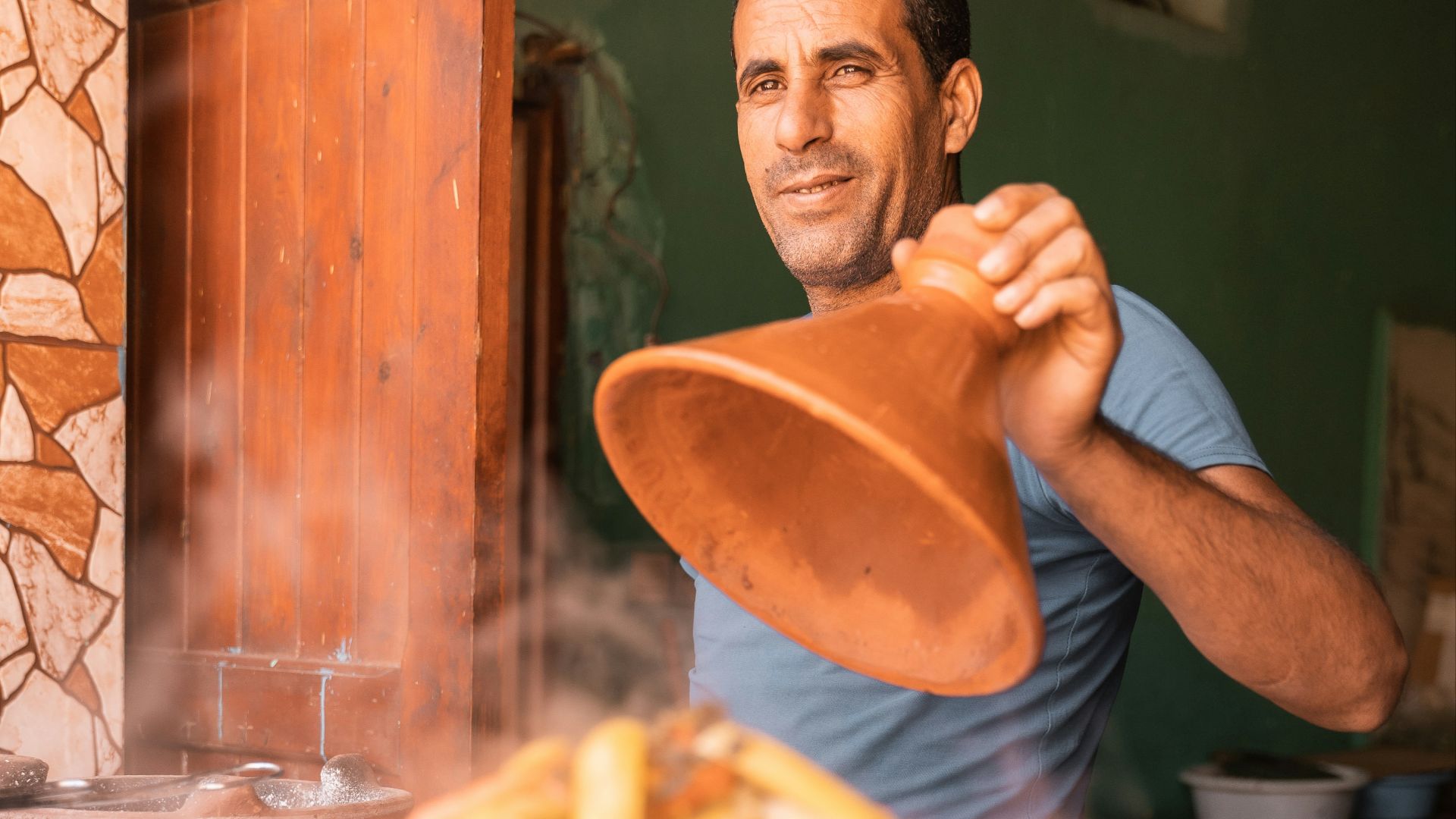 Andri Klopfenstein on Unsplash
What to Pack and How to Prepare
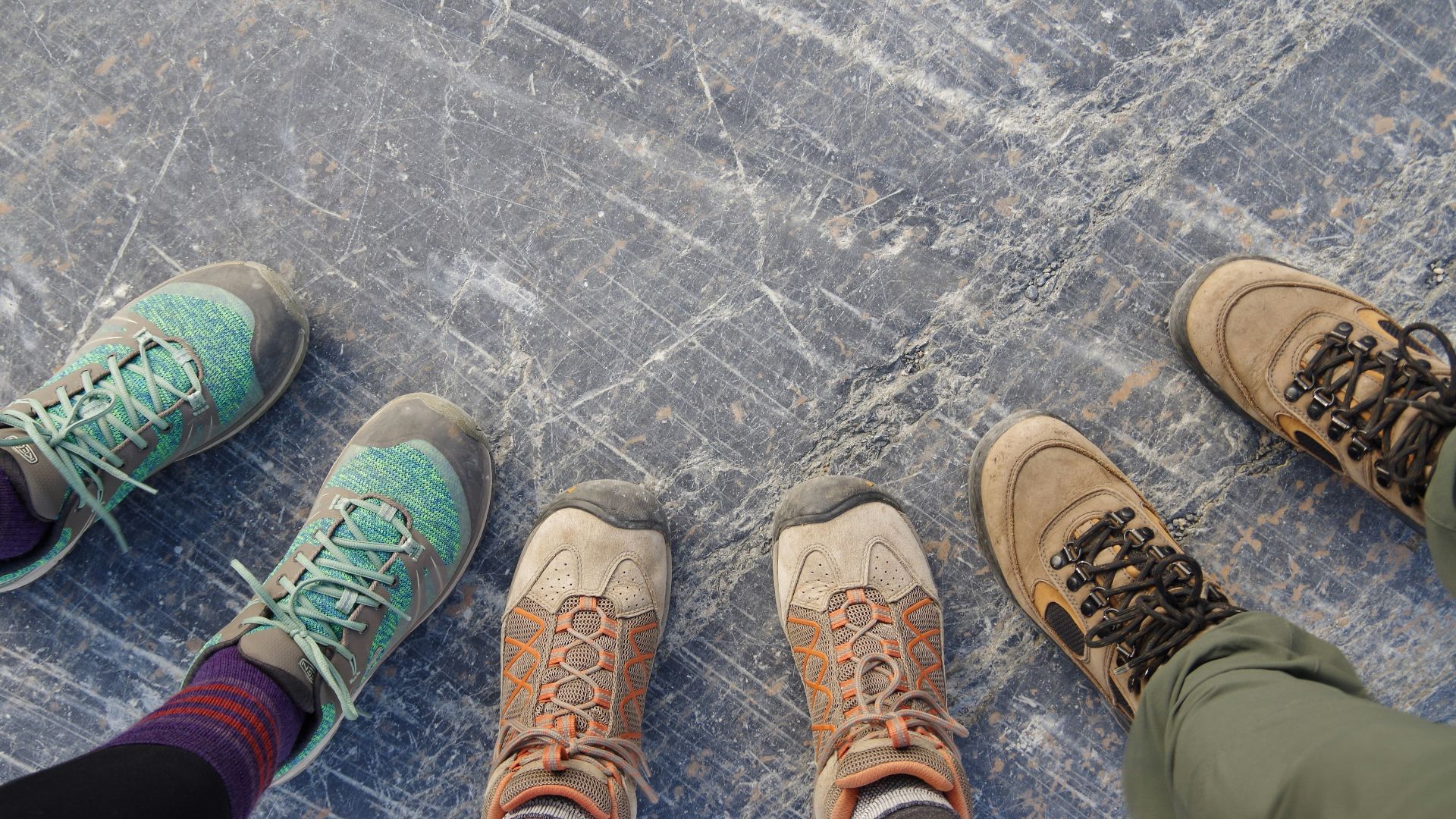
Preparation is key to enjoying Atlas trekking. Good hiking boots, layered clothing, sun protection, and a reusable water bottle are essential. Even in warm seasons, mountain weather can change quickly. Hiring a local guide is strongly recommended. Not only do guides ensure safety and navigation, but they also provide cultural insight and support the region’s sustainable tourism economy.