Morocco is often described as a feast for the senses, and nowhere is that more obvious than in its spices. The country sits at a historic crossroads between Africa, Europe, and the Middle East. For centuries, traders carried fragrant spices across these routes into Moroccan markets. Today, the scent of cumin, cinnamon, saffron, and paprika drifts through bustling souks and home kitchens. Moroccan cuisine is not defined by heat or overwhelming spice levels. Instead, it is known for balance and deep layers of flavor created through careful spice blending. Spices are the heart of slow-cooked tagines, comforting soups, and vibrant street food.
Cumin: The Everyday Backbone of Moroccan Cooking
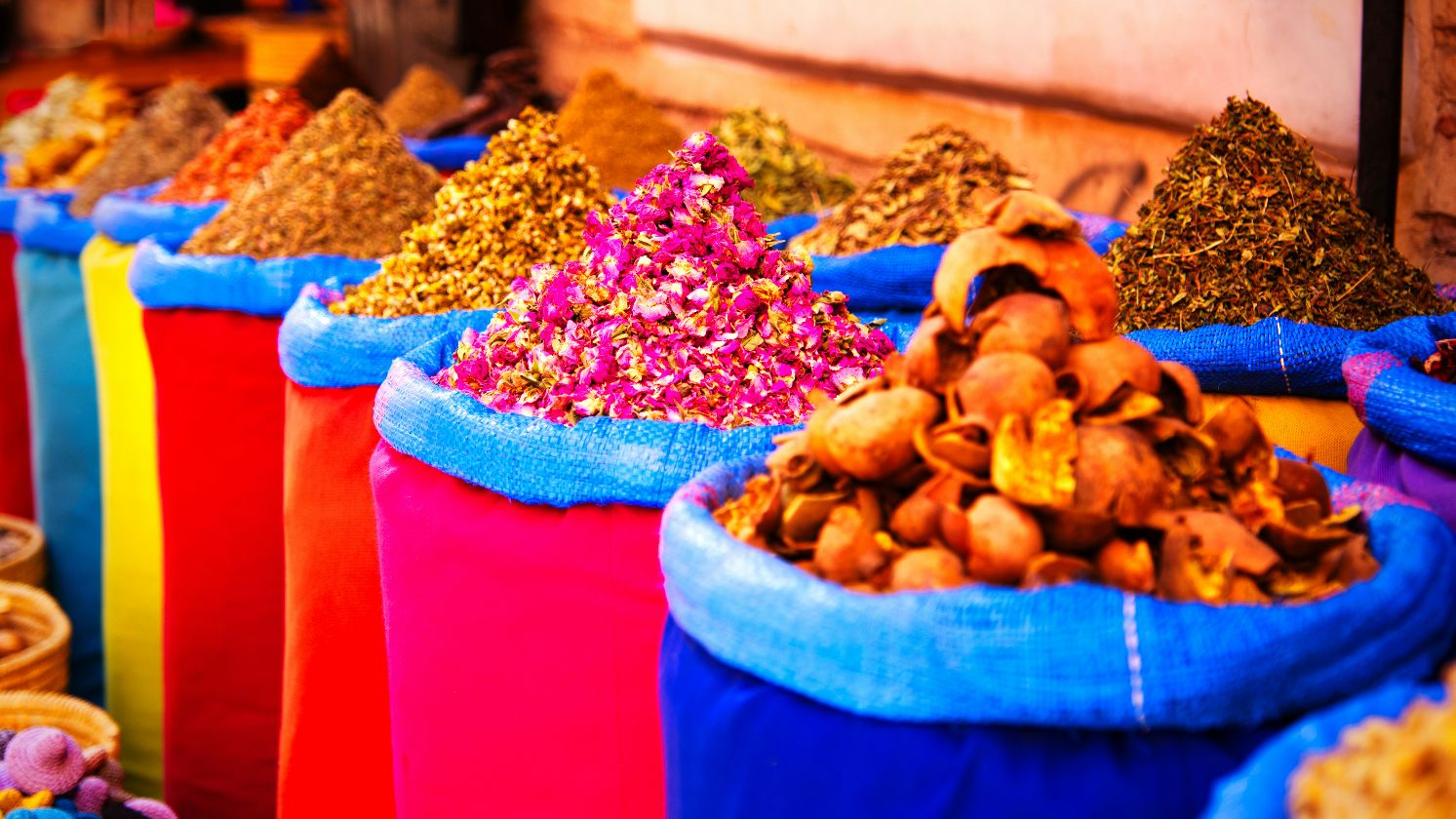
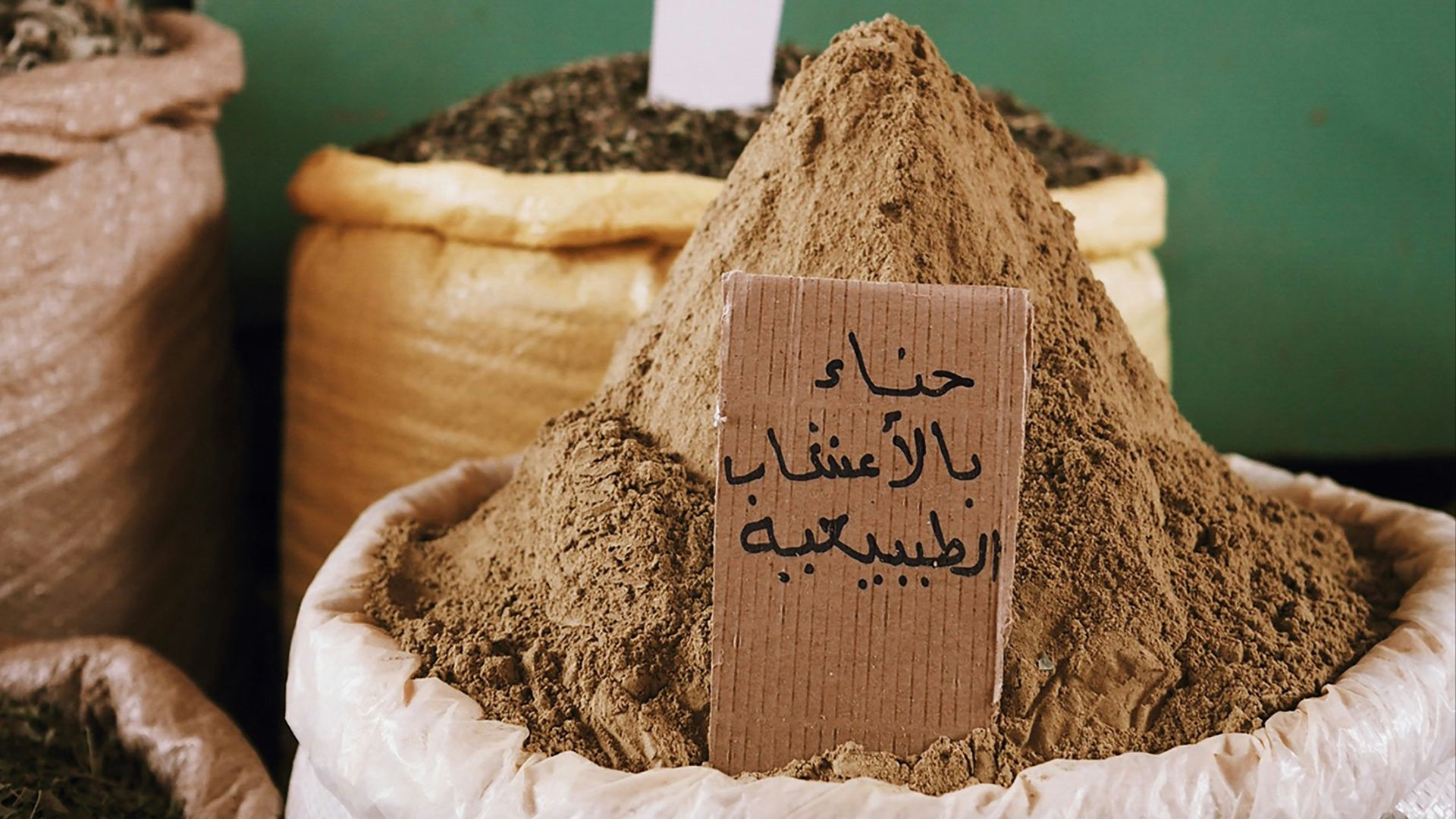
If there is one spice that appears almost everywhere in Moroccan cuisine, it is cumin. Earthy, warm, and slightly nutty, cumin adds depth to countless dishes. Small bowls of ground cumin often sit on restaurant tables alongside salt and pepper, ready to sprinkle over grilled meats or vegetables. One of the best places to experience cumin is in kefta, Morocco’s spiced ground meat skewers. Cumin also flavors lentil dishes, roasted vegetables, and the beloved street food sandwich with grilled meats known as khobz. Travelers wandering through spice markets will often see tall cones of freshly ground cumin piled high in vibrant displays, particularly in the souks of cities like Marrakech and Fes.
Saffron: Morocco’s Golden Treasure
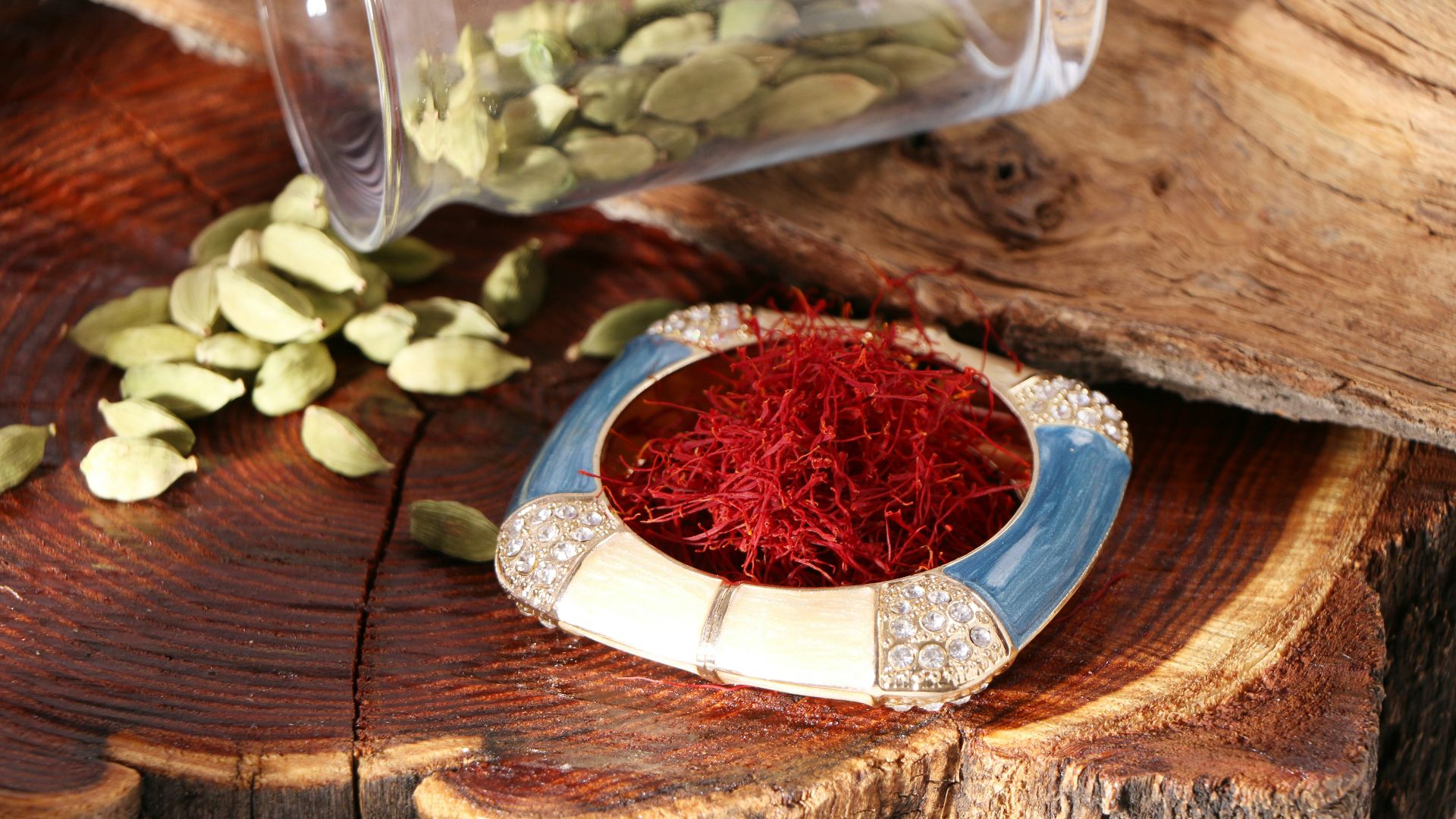
Saffron is one of the world’s most prized spices, and Morocco produces some of the finest threads available. Saffron is mainly grown in the small town of Taliouine in southern Morocco. The spice adds a delicate floral aroma and golden color to many traditional dishes. It appears most famously in chicken tagine with preserved lemons and olives, where saffron infuses the sauce with warmth and complexity. Even a tiny pinch transforms the dish. Travelers visiting local markets may see small glass jars or paper envelopes filled with deep red saffron threads. Because authentic saffron is valuable, buying from reputable spice vendors in traditional souks is the best way to ensure quality.
Ras el Hanout: Morocco’s Signature Spice Blend
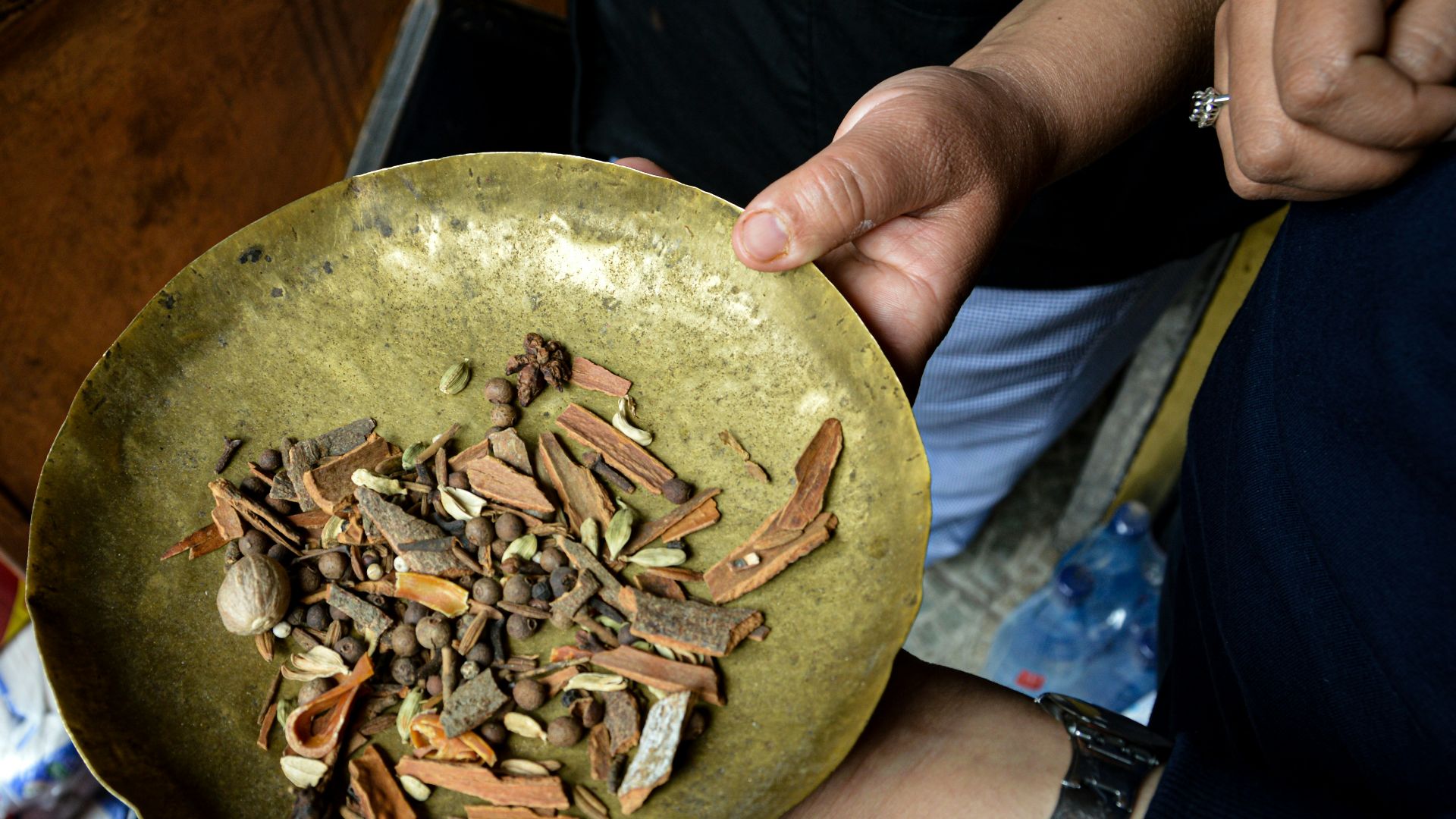
Perhaps the most intriguing Moroccan spice is ras el hanout. The name roughly translates to “head of the shop,” meaning the best blend a spice merchant can offer. There is no single recipe. Some versions contain ten spices, while others contain thirty or more. Typical ingredients might include cardamom, cinnamon, cloves, nutmeg, coriander, ginger, and turmeric. The blend creates a warm, fragrant flavor that is slightly sweet and deeply aromatic. Ras el hanout is often used in lamb tagines, couscous dishes, and slow-cooked stews. Visiting a Moroccan spice shop offers a fascinating glimpse into this tradition, as each vendor proudly guards their own unique blend.
Cinnamon: Sweet and Savory Harmony
In many cuisines, cinnamon is reserved for desserts. However, Moroccan cooking uses it in both sweet and savory dishes. The spice adds warmth and subtle sweetness that balances richer ingredients like lamb or poultry. A classic example is pastilla, a savory-sweet pie made with flaky pastry, slow-cooked meat, almonds, and a dusting of cinnamon and powdered sugar. Cinnamon also appears in fruit desserts, spiced teas, and certain couscous dishes. The result is a flavor profile that feels complex yet comforting.
Ginger and Paprika: Gentle Warmth in Everyday Dishes
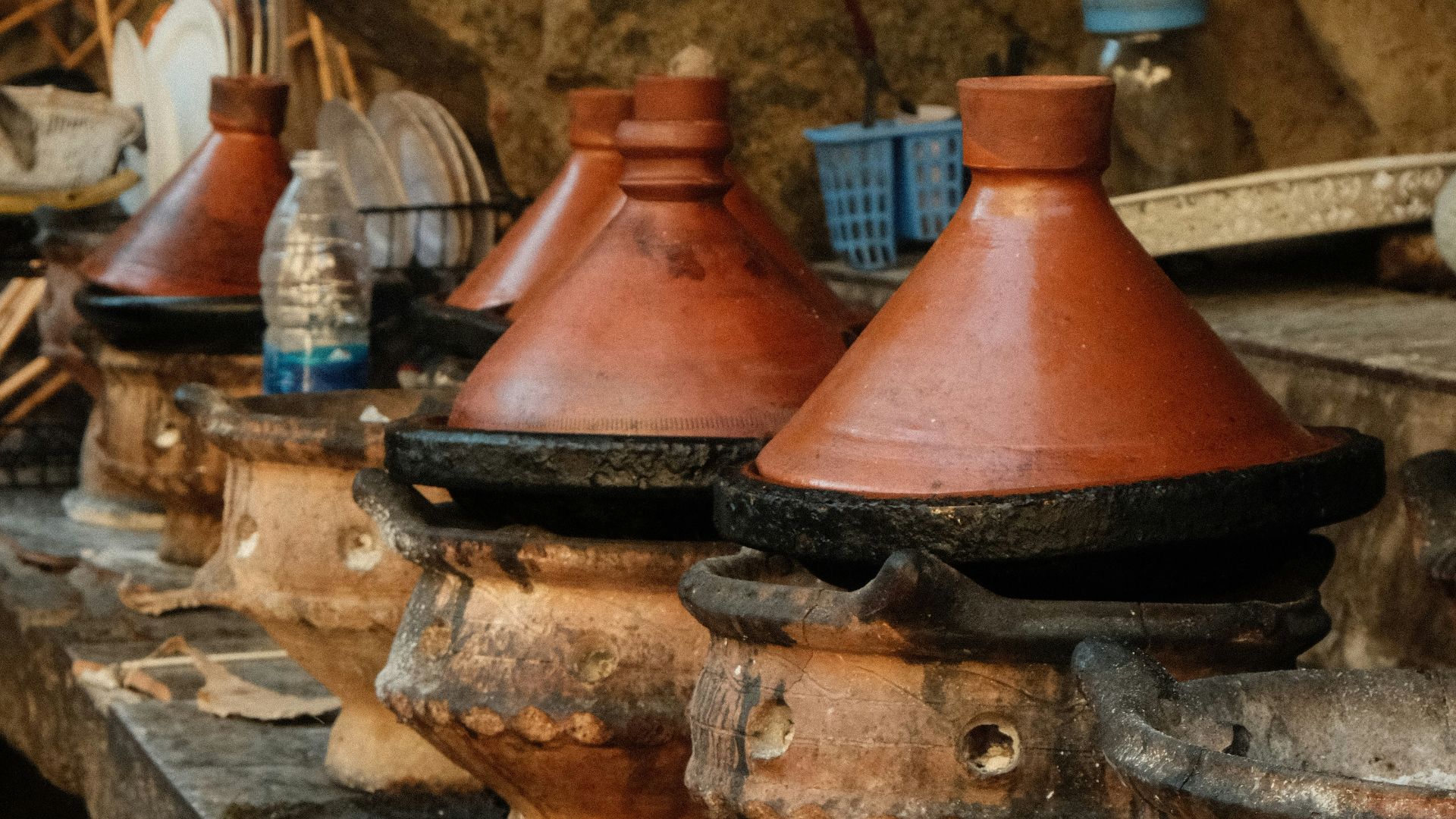
Ginger and paprika play supporting roles in many Moroccan recipes, quietly enhancing flavor without overpowering it. Ginger adds gentle warmth to soups and tagines, while paprika contributes color and mild sweetness. One dish where both shine is harira, the traditional tomato-based soup often served during Ramadan. The spices blend with lentils, chickpeas, herbs, and tomatoes to create a deeply comforting bowl. Together, ginger and paprika help build the layered flavors Moroccan cuisine is known for.