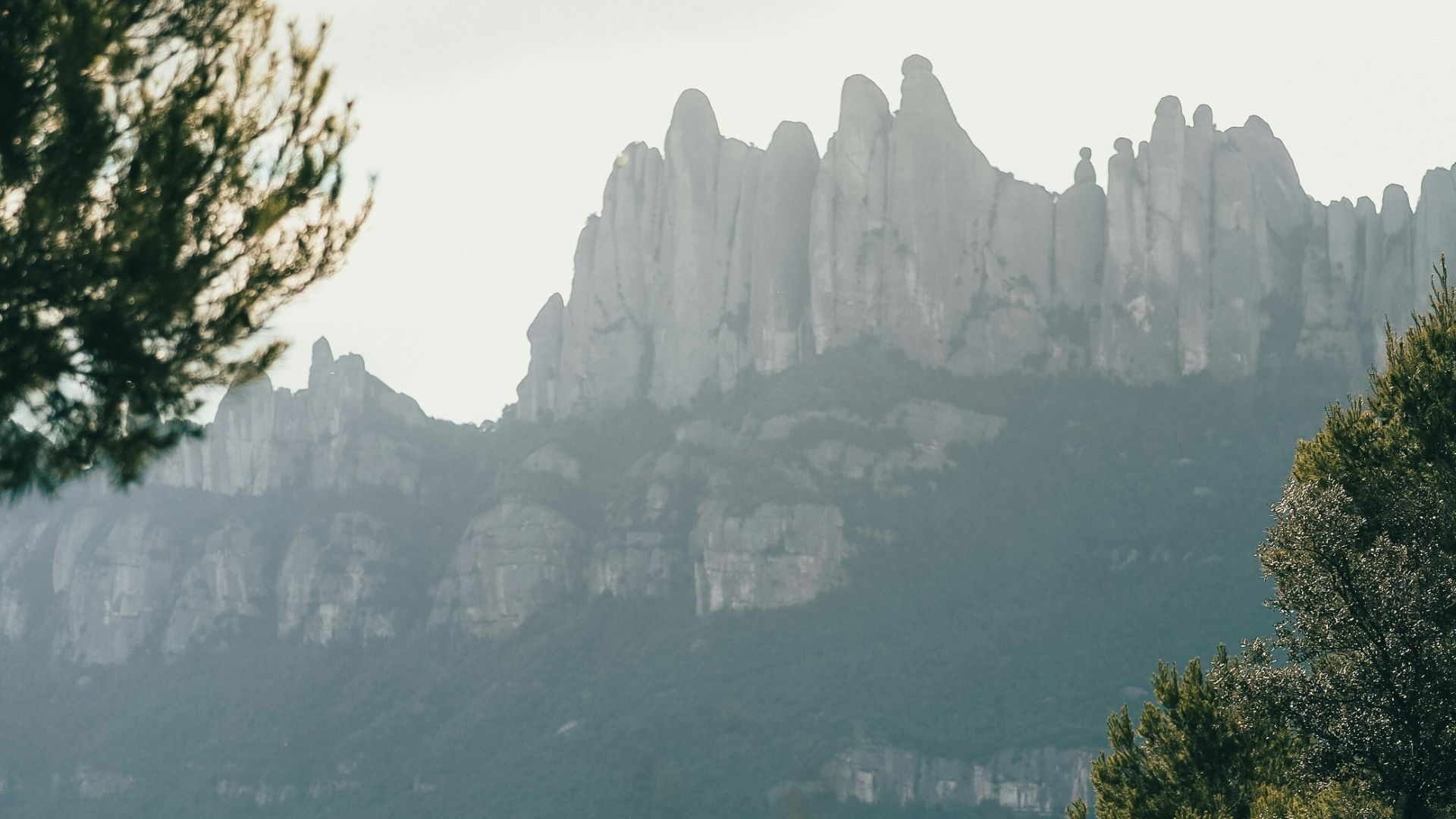
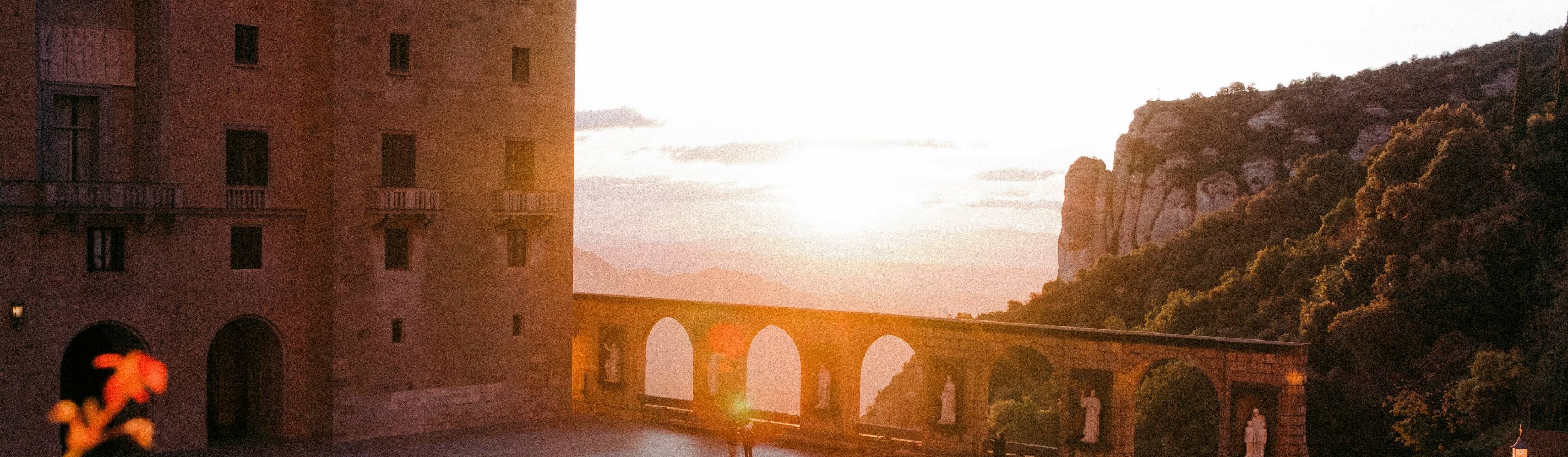
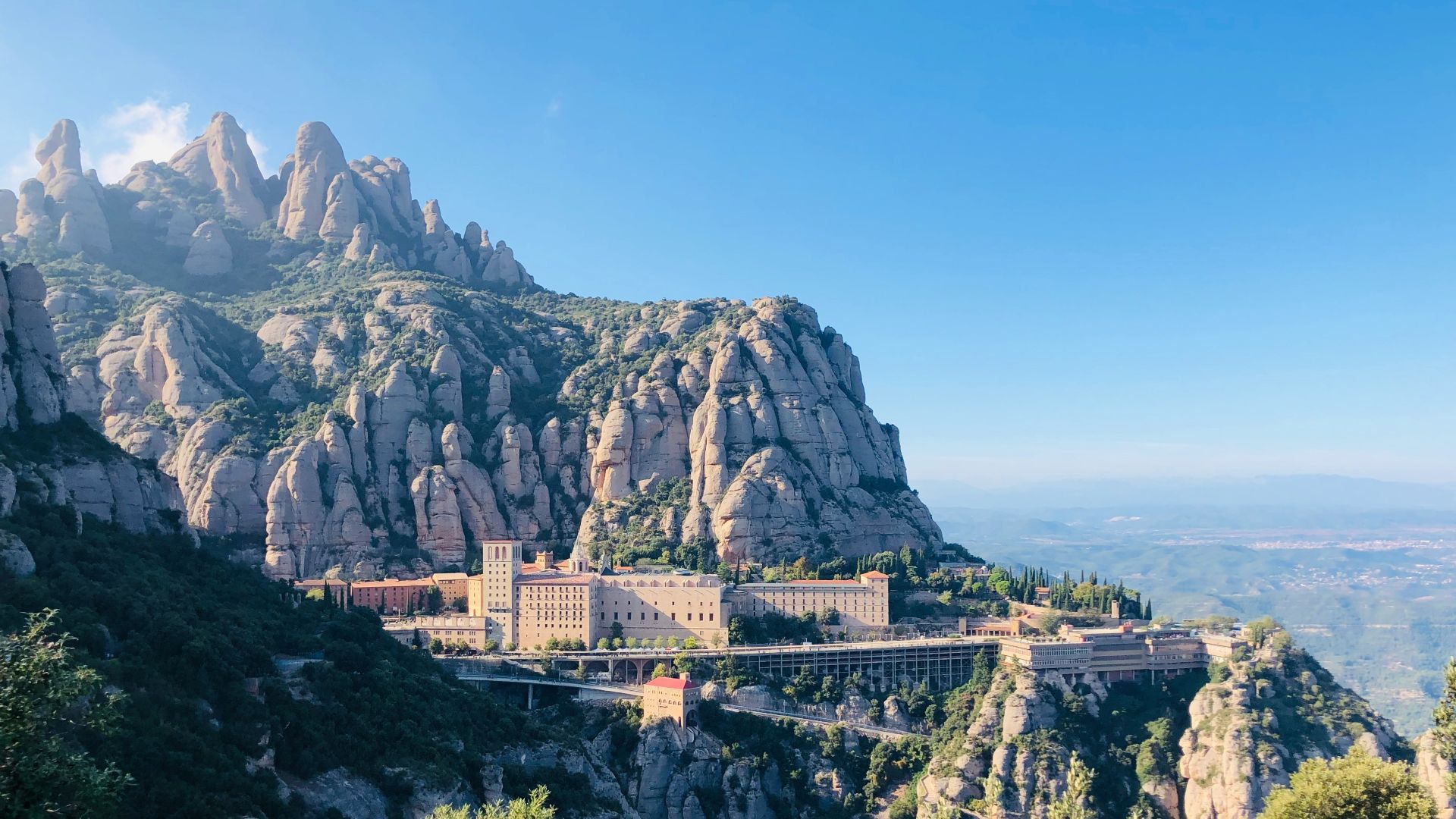
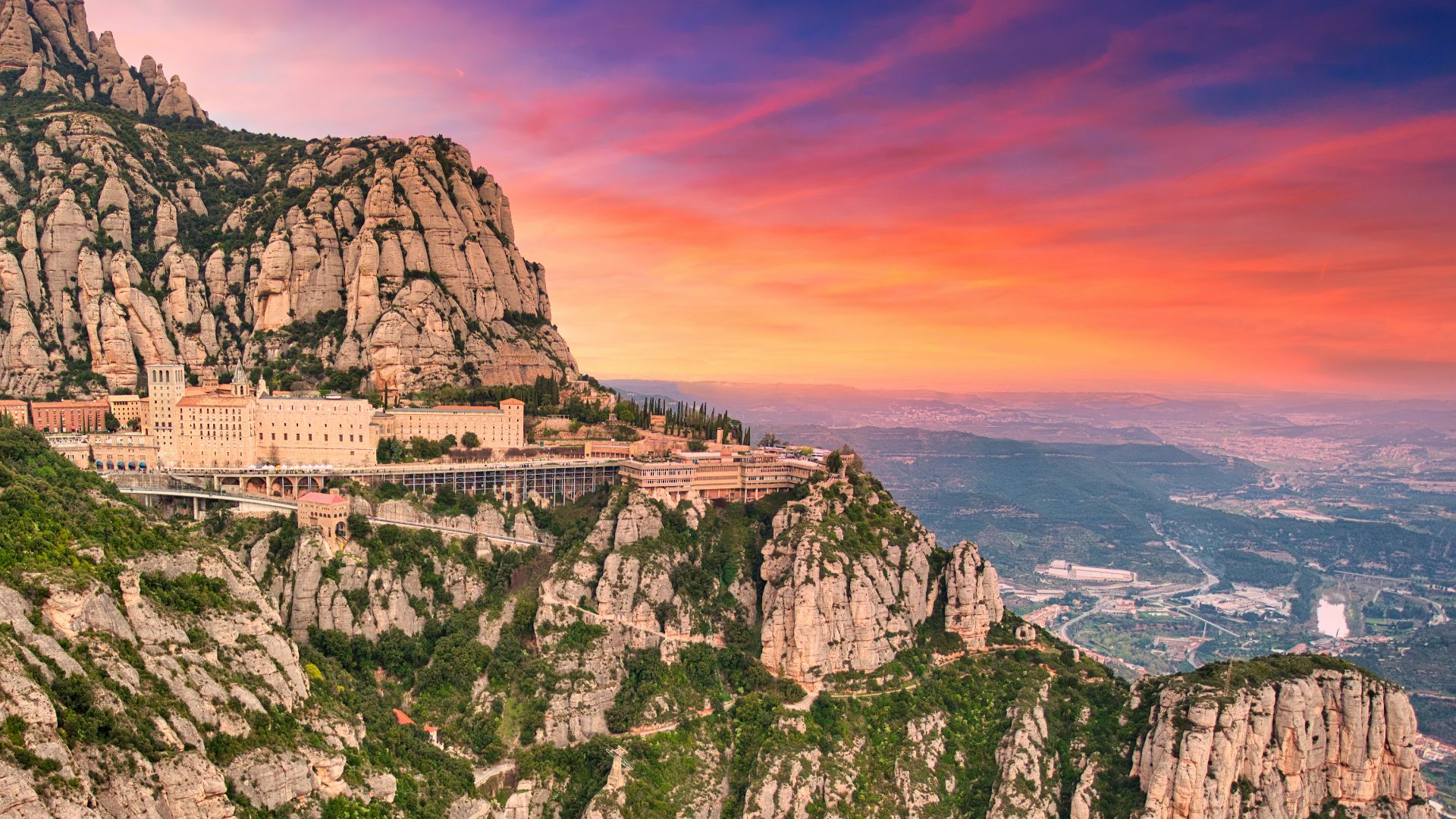
One of Spain’s most mysterious landscapes rises just an hour from Barcelona: the jagged peaks of Montserrat. Unlike the smooth ridges of most mountain ranges, Montserrat’s serrated rock formations look almost sculpted by hand, giving the massif its name, “serrated mountain.” For centuries, pilgrims, hermits, scholars, and curious travelers have made their way to the mountaintop to visit the famous Santa Maria de Montserrat Abbey. But beyond the monastery’s religious importance lies a deeper story filled with medieval legends, mysterious caves, miraculous discoveries, and the powerful symbol known as the Black Madonna.
The Sacred Origins of the Monastery
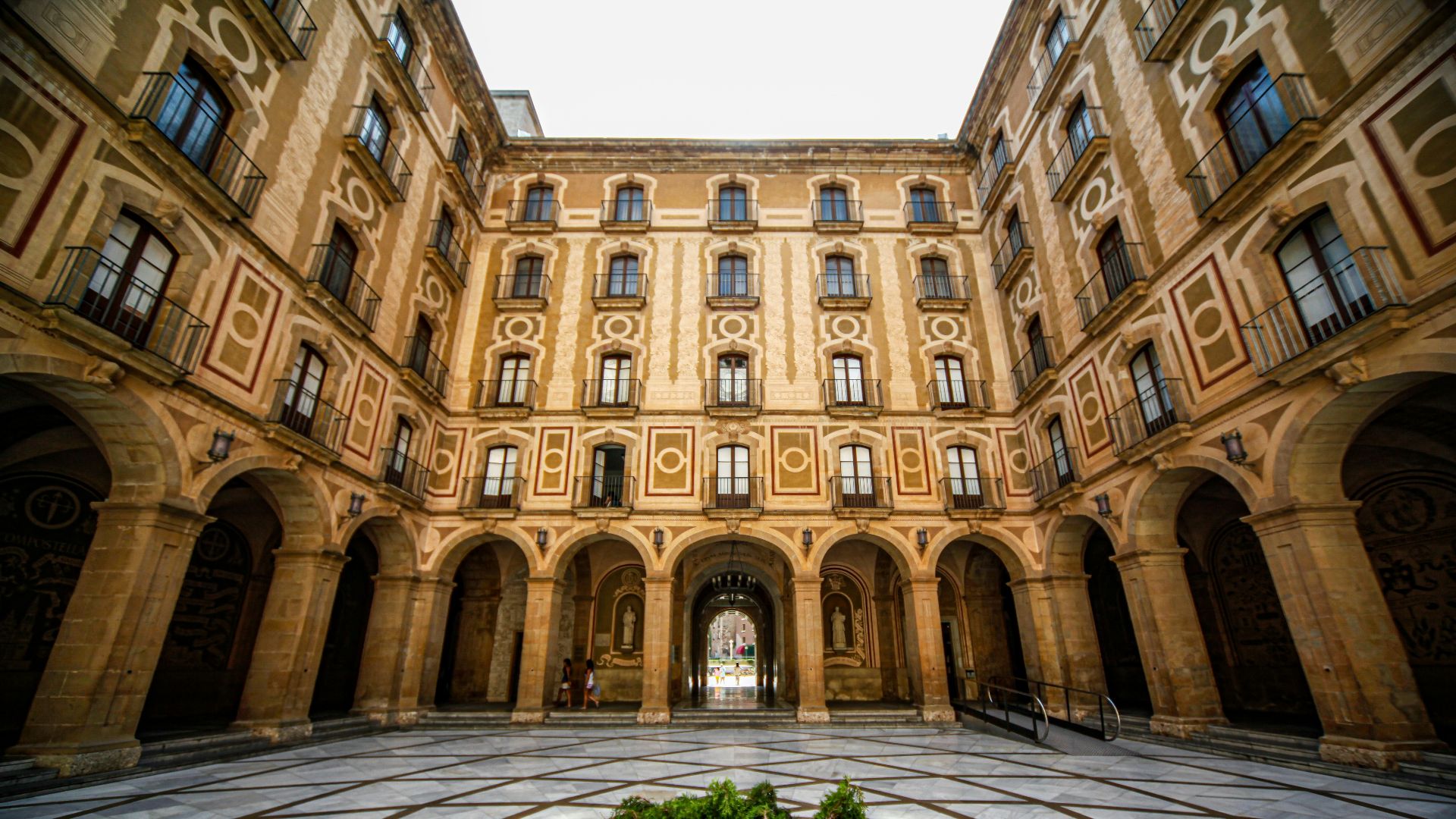
The story of Montserrat’s monastery begins in the year 880. According to tradition, several shepherd children spotted a strange light descending from the mountainside and heard heavenly music echoing through the valley. When local villagers followed the glow, they discovered a statue of the Virgin Mary hidden in a cave. The bishop of nearby Manresa attempted to move the statue to the city, but legend has it that it became impossibly heavy. Interpreting this as a sign that the Virgin wished to remain on the mountain, a small chapel was built at the site. Over time, this sacred spot evolved into the monastery that stands today. By the 11th century, monks from the Benedictine Order had established a thriving religious community on the mountain.
The Mystery of the Black Madonna
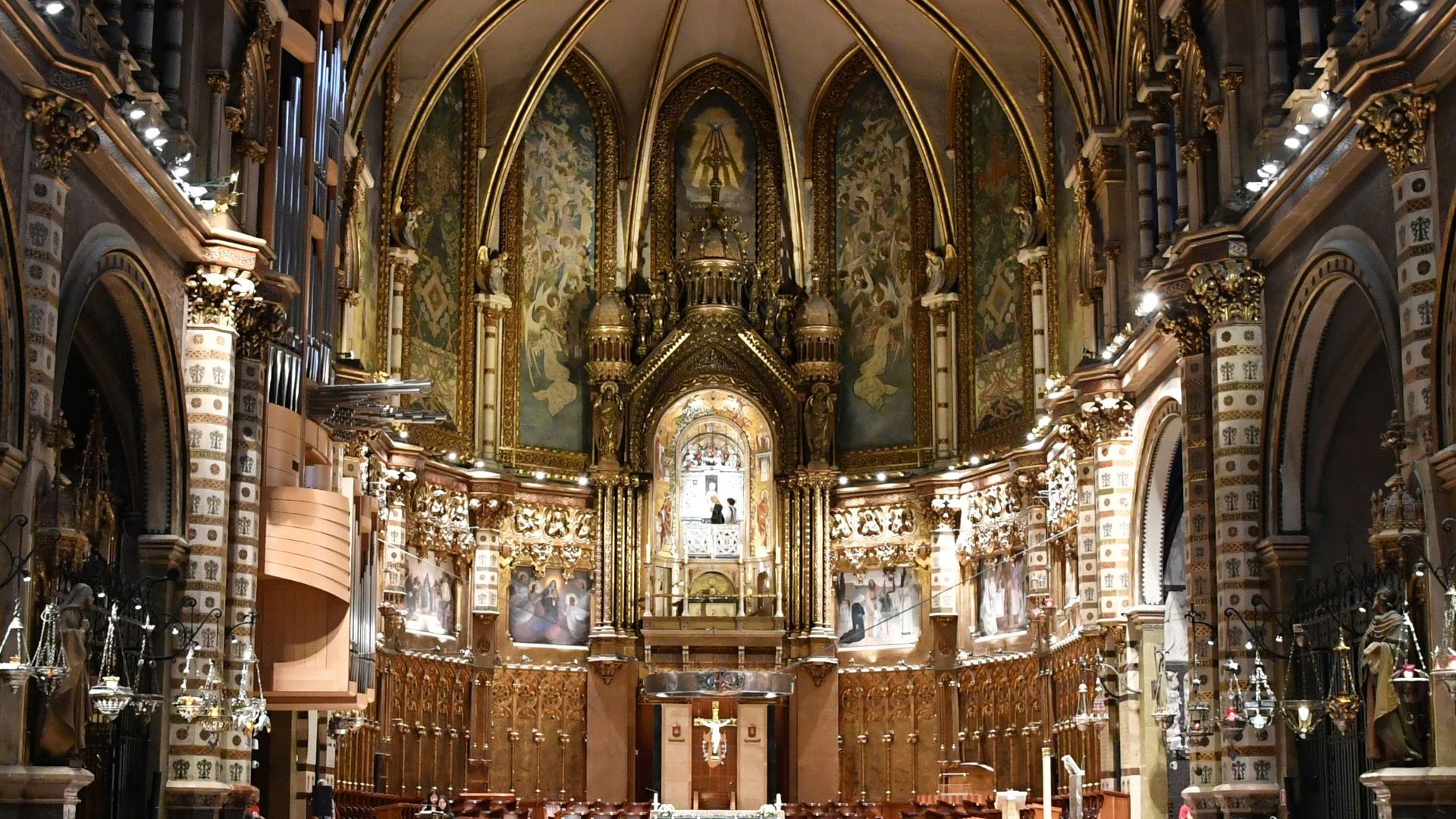
At the heart of the monastery sits one of Catalonia’s most beloved religious icons: La Moreneta. This wooden statue of the Virgin Mary and child dates back to the 12th century and is instantly recognizable because of its dark color. Scholars debate why the statue appears black. Some believe centuries of candle smoke darkened the wood. Others suggest the darker tone was intentional, echoing ancient Mediterranean depictions of sacred figures. Regardless of its origins, La Moreneta has become a powerful cultural symbol for Catalonia. Pilgrims travel from across Spain and beyond to touch the orb held in the Madonna’s hand, believed to bring blessings and protection.
A Mountain Full of Hermits
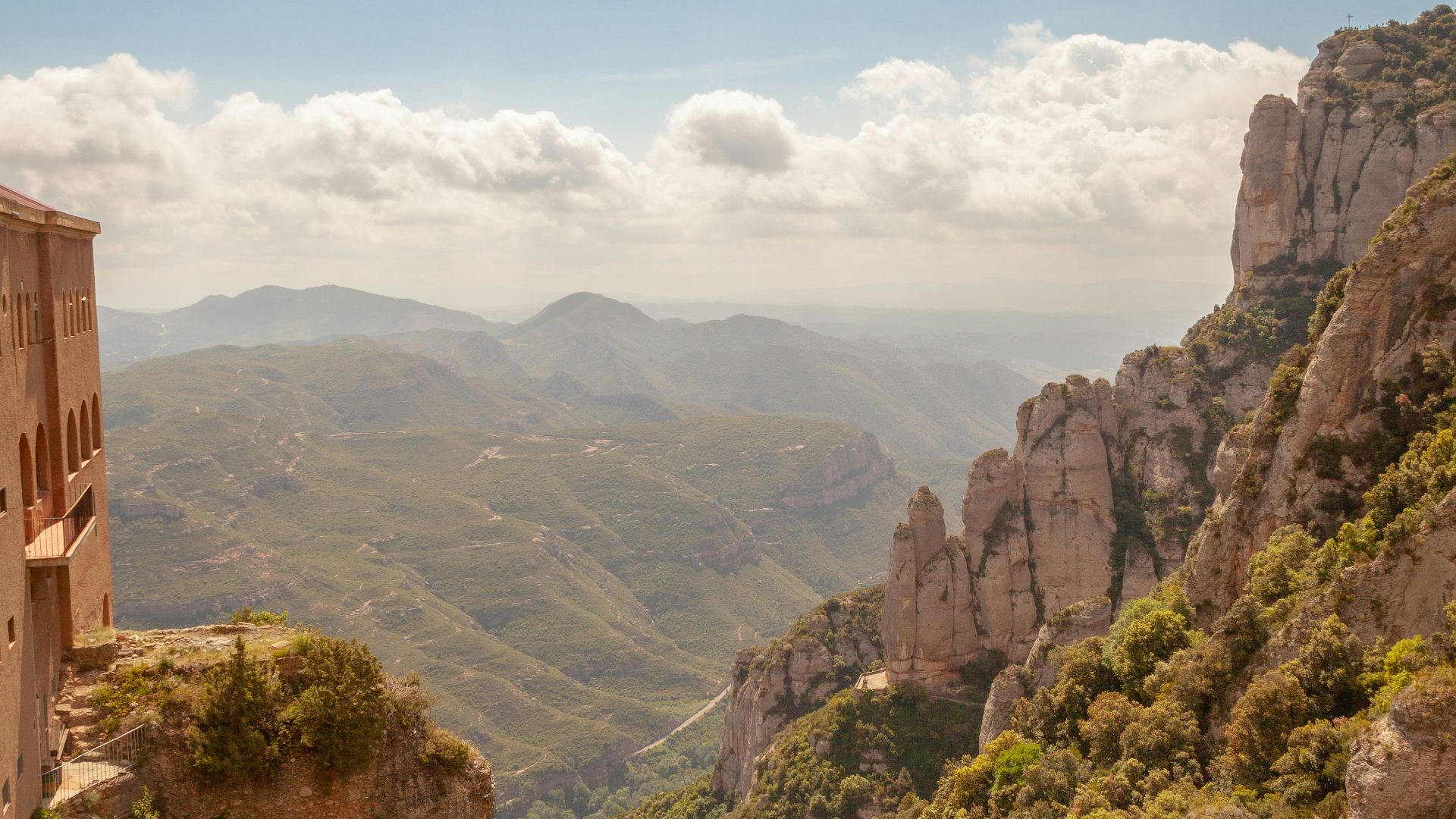
During the Middle Ages, Montserrat became home to dozens of hermits seeking solitude and spiritual reflection. Small chapels and caves dotted the cliffs, connected by narrow paths carved into the rock. These hermits lived simple lives of prayer and silence while gazing over the vast Catalonian landscape below. Many of their hermitages still exist today, tucked into dramatic cliffside locations that feel almost suspended in the clouds. Hiking trails across Montserrat allow visitors to reach these remote sites and experience the quiet atmosphere that once drew medieval mystics.
Strange Legends and UFO Sightings
Montserrat’s unusual rock formations have inspired centuries of folklore. Local legends tell of hidden treasures buried within the mountain and secret tunnels that connect its caves. In more modern times, the mountain has become famous among UFO enthusiasts. Several sightings of unexplained lights have been reported over the decades, leading some believers to claim Montserrat has mysterious cosmic energy. While science attributes most sightings to natural phenomena, the stories add another layer of intrigue to the mountain’s already mystical reputation.
Hidden Beauty Beyond the Monastery
While most visitors come for the monastery, the surrounding natural park offers far more to explore. The Santa Cova Chapel marks the cave where the Madonna was reportedly discovered, reachable by a scenic pilgrimage walk decorated with striking religious sculptures. Montserrat is also home to one of Europe’s oldest boys’ choirs, the Escolania de Montserrat, whose haunting voices fill the basilica daily. Today, Montserrat remains a place where spirituality, nature, and legend blend together. The mountain’s dramatic cliffs and centuries-old stories make it one of the most fascinating destinations in Catalonia.