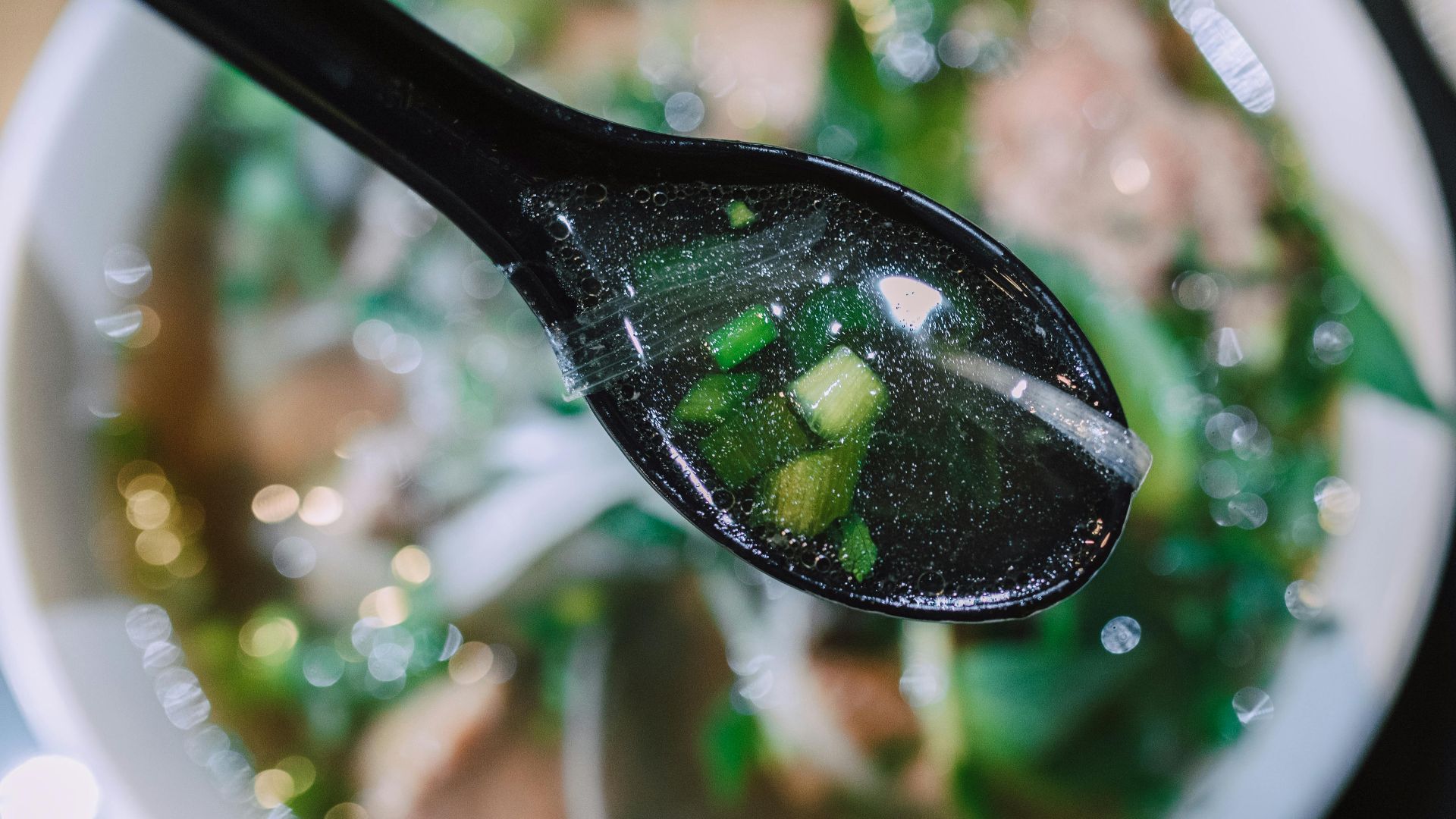
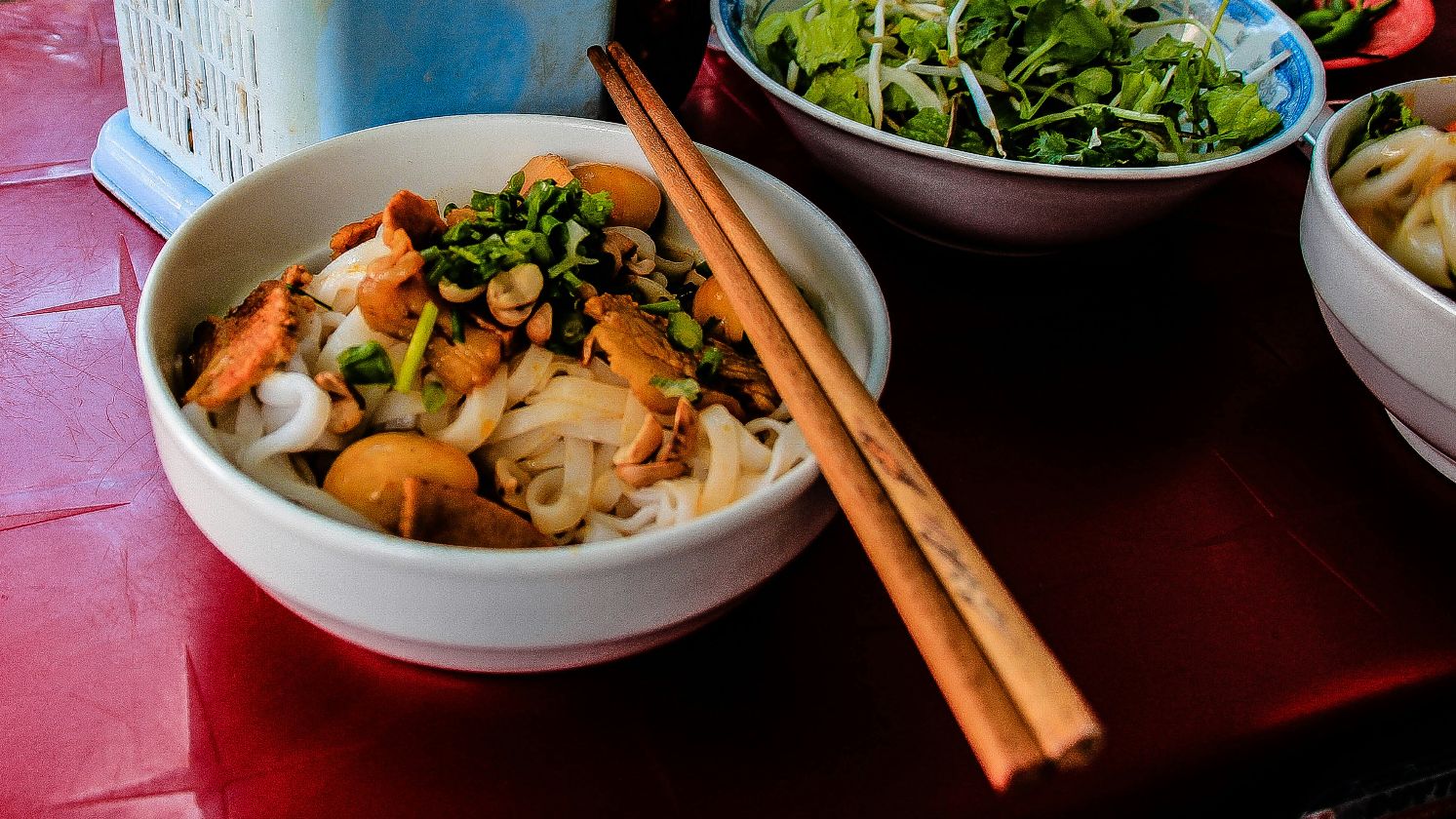
Vietnamese cuisine is often described as light, fresh, and so deeply satisfying, but those qualities don't happen by chance. Across Vietnam, cooking is guided by an instinctive understanding of balance. No single flavor overwhelms the others. For travelers and families exploring Vietnamese food for the first time, the magic lies in how simple, everyday ingredients are layered to create meals that feel comforting yet energizing. These foundational ingredients shape the flavors you will encounter everywhere, from busy street stalls to family-run kitchens.
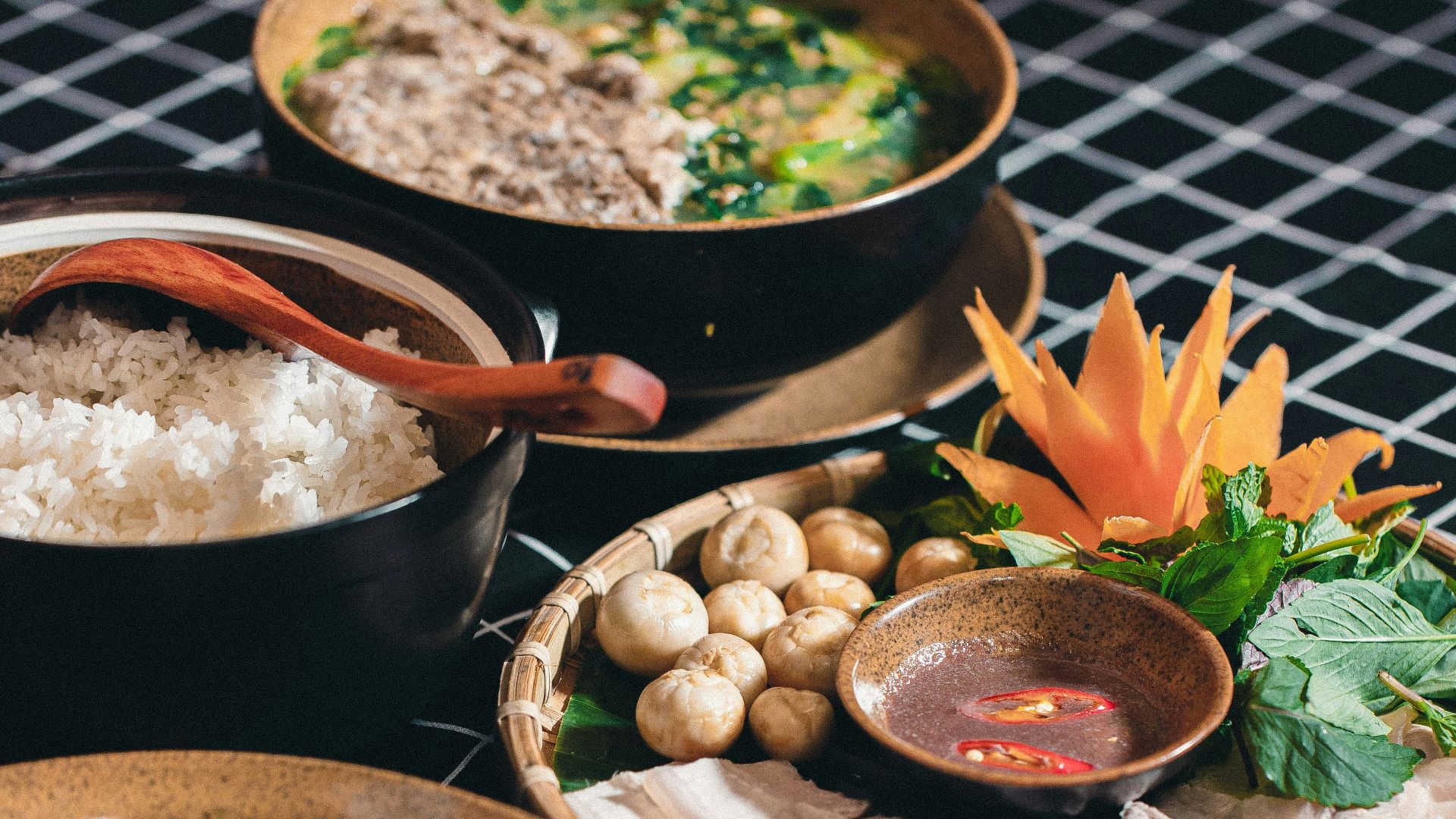 Khuc Le Thanh Danh on Unsplash
Fresh Herbs That Bring Dishes to Life
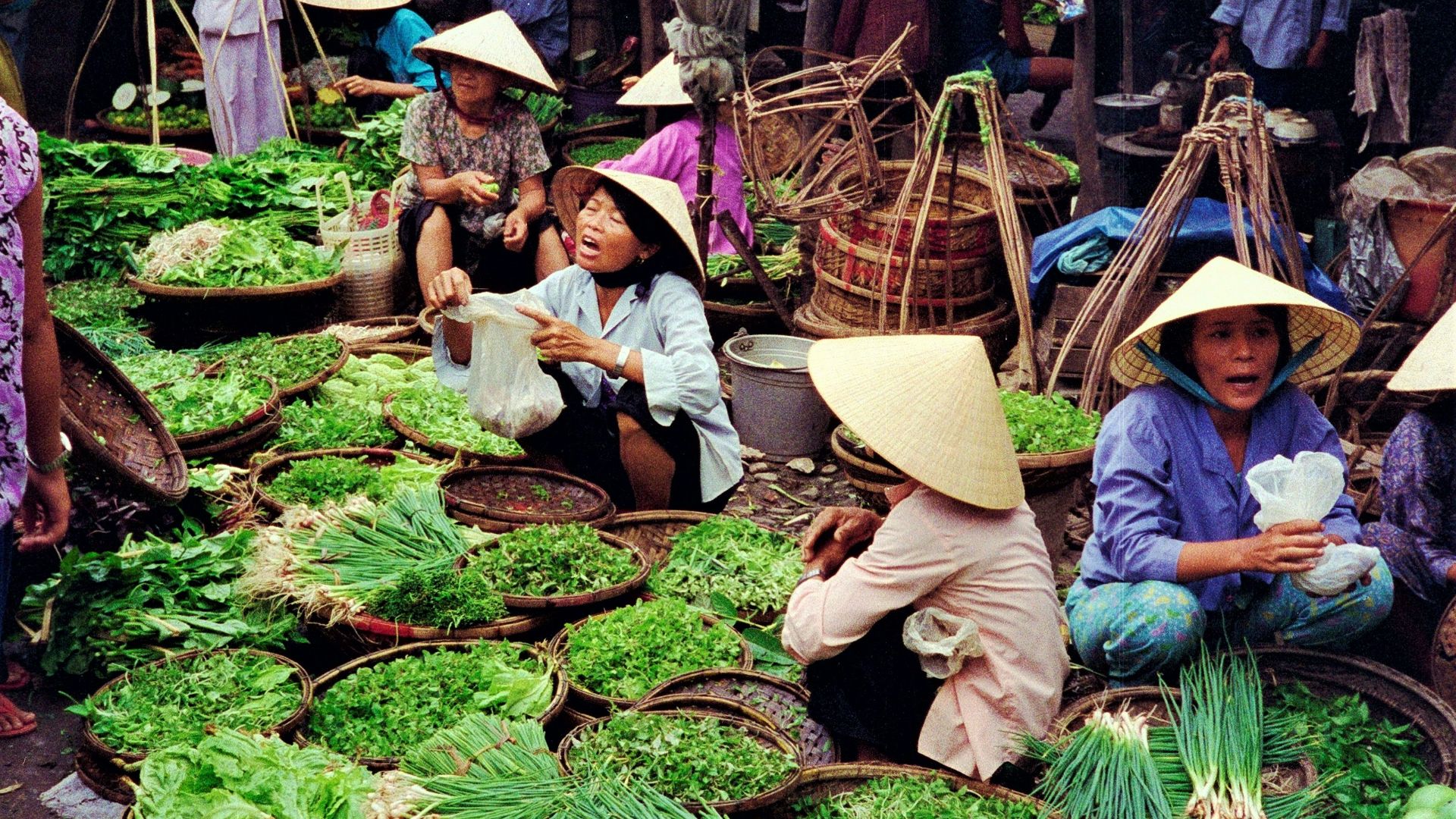
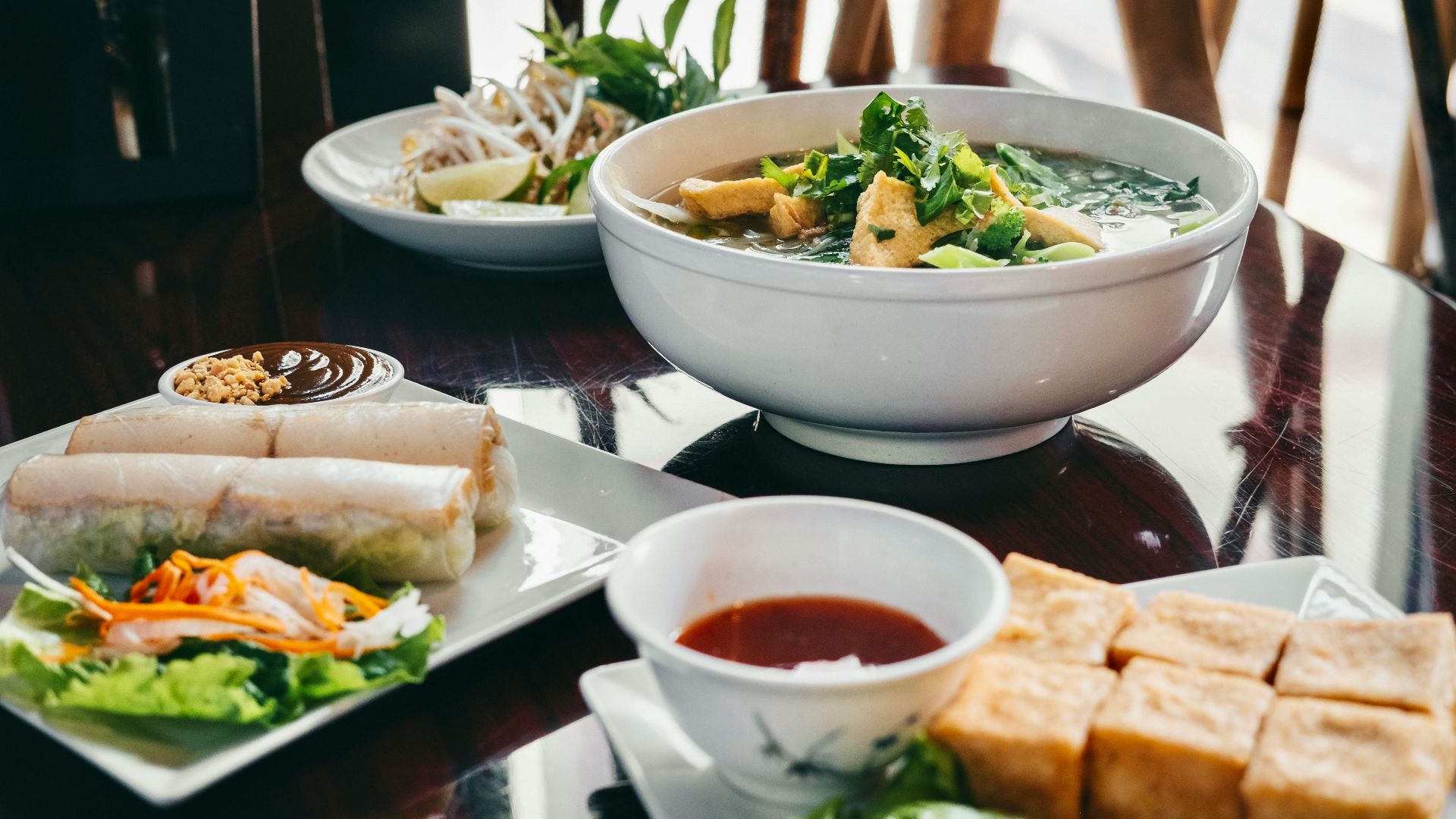
Herbs are at the center of Vietnamese cooking, not an afterthought. Cilantro, mint, Thai basil, perilla, and sawtooth herb are often served fresh and abundant. Diners can add them freely. These fresh herbs infuse noodles, rice dishes, and grilled meats with bright, fragrant flavors. Even warm, comforting dishes like pho or bún bowls are finished with fresh herbs, giving them a light, clean feel despite their richness. For families, this makes meals flexible and approachable, since each person can adjust flavors to their own comfort level.
Fish Sauce as the Quiet Flavor Anchor
Fish sauce, or nước mắm, is the backbone of Vietnamese flavor. Used sparingly, it enhances dishes without drawing attention to itself. Rather than tasting overtly fishy, it adds a savory depth that connects sweet, sour, and salty elements. You will find fish sauce in marinades, broths, dipping sauces, and even simple vegetable dishes. Its ability to deepen flavor without heaviness is one reason Vietnamese food feels satisfying without relying on rich fats or heavy seasonings.
Citrus and Sour Notes That Keep Food Fresh
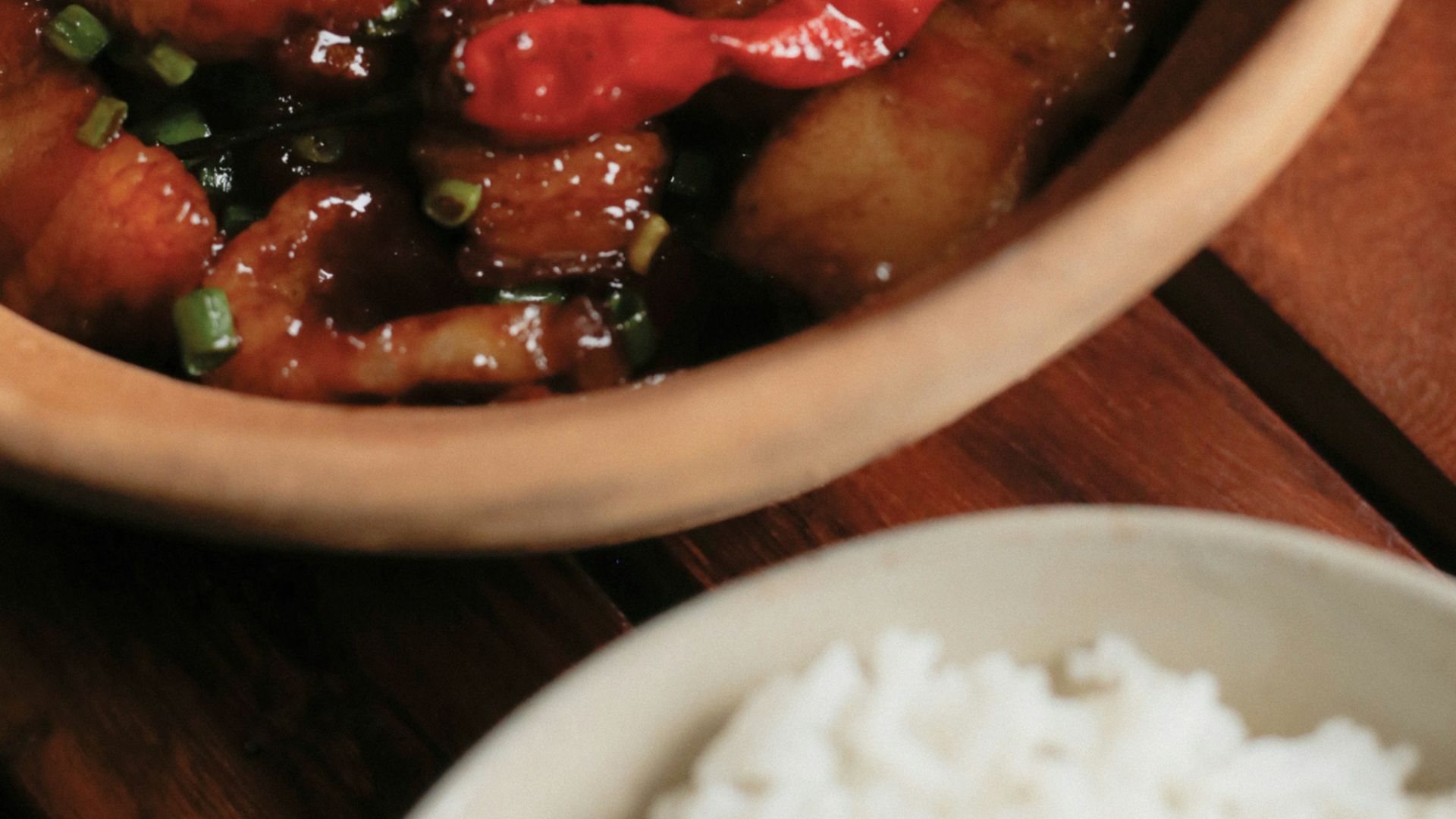
Sourness plays an essential role in Vietnamese cuisine. Lime juice, tamarind, green mango, and rice vinegar are used to brighten dishes and cut through savory flavors. These ingredients prevent meals from feeling dense and keep the palate engaged. For travelers eating multiple meals a day, this freshness is especially appealing. A squeeze of lime or a splash of tangy sauce can instantly lift a dish. Meals don't risk feeling bland or so repetitive then.
 Connor Scott McManus on Pexels
Gentle Heat and Aromatic Spices
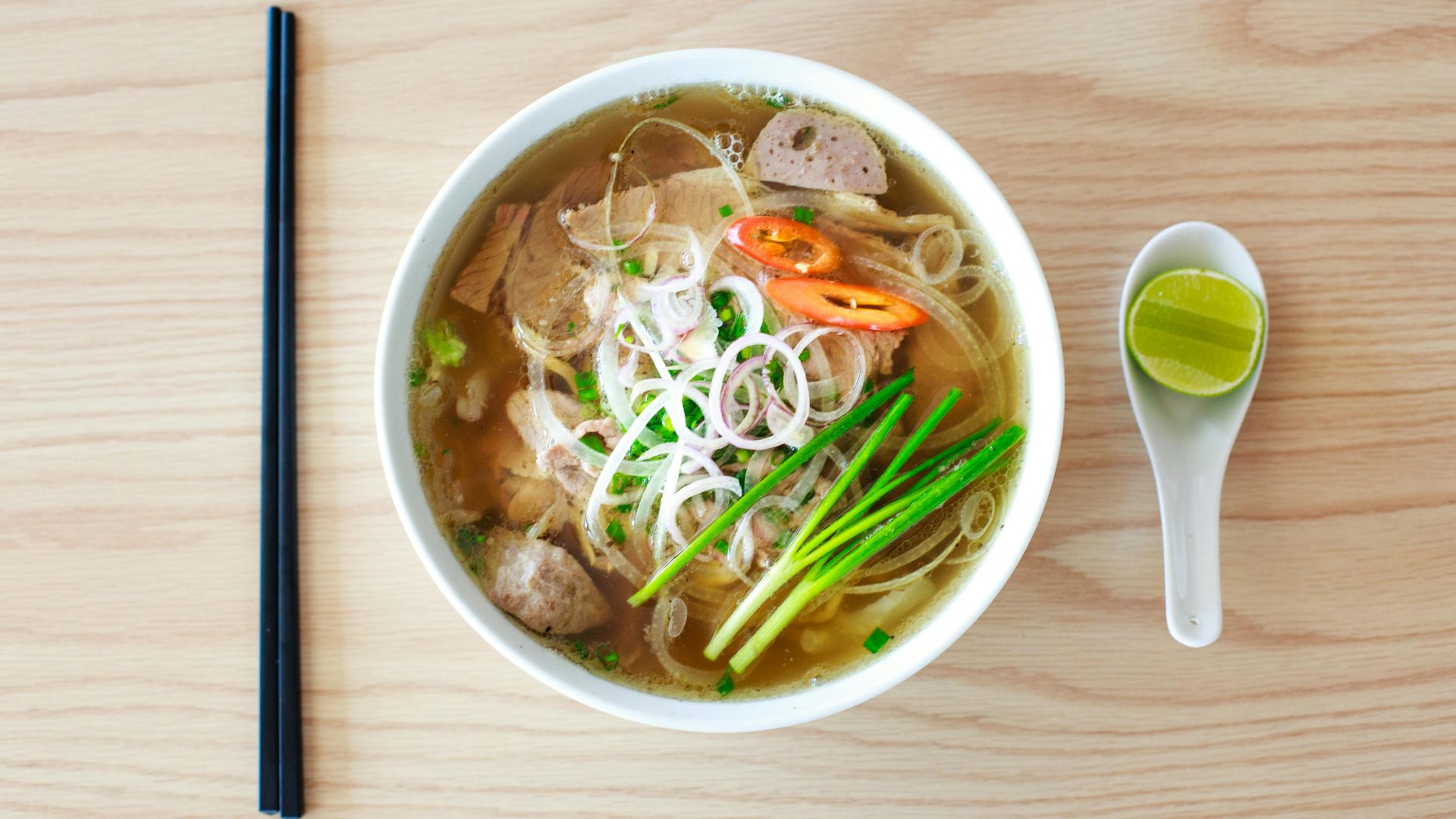
Vietnamese food is rarely about extreme heat. Instead, chili, ginger, garlic, and lemongrass are used to add warmth and aroma rather than intensity. Heat is often optional. Diners can customize spice levels at the table. This approach makes Vietnamese cuisine family-friendly while still flavorful. Children can enjoy mild versions of dishes, while adults can layer in chili or spice to suit their preferences.
Subtle Sweetness That Balances Everything
Sweetness in Vietnamese cooking is usually understated. Palm sugar, caramelized sauces, and naturally sweet ingredients like onions or coconut are used to soften sharper flavors rather than dominate them. This gentle sweetness balances salty and sour notes, creating harmony across each dish. It is a key reason Vietnamese food feels rounded and satisfying without tipping into heaviness.
Vietnamese cuisine is defined by how its ingredients work together rather than by any single standout element. Fresh herbs add lift, fish sauce provides depth, citrus keeps flavors bright, spice adds warmth, and sweetness brings balance. Together, they create a style of cooking that feels nourishing, adaptable, and endlessly inviting for travelers and families alike.