
Floating off the northwest coast of Africa, the Canary Islands feel like a geographical plot twist. This Atlantic archipelago is officially part of Spain and offers far more than beach holidays. Volcanoes, trade winds, and centuries of cultural crossover shape it. From lunar landscapes and ancient forests to star-filled skies and carnival celebrations, the Canaries reward travelers who dig a little deeper.
A Volcanic Playground Like No Other
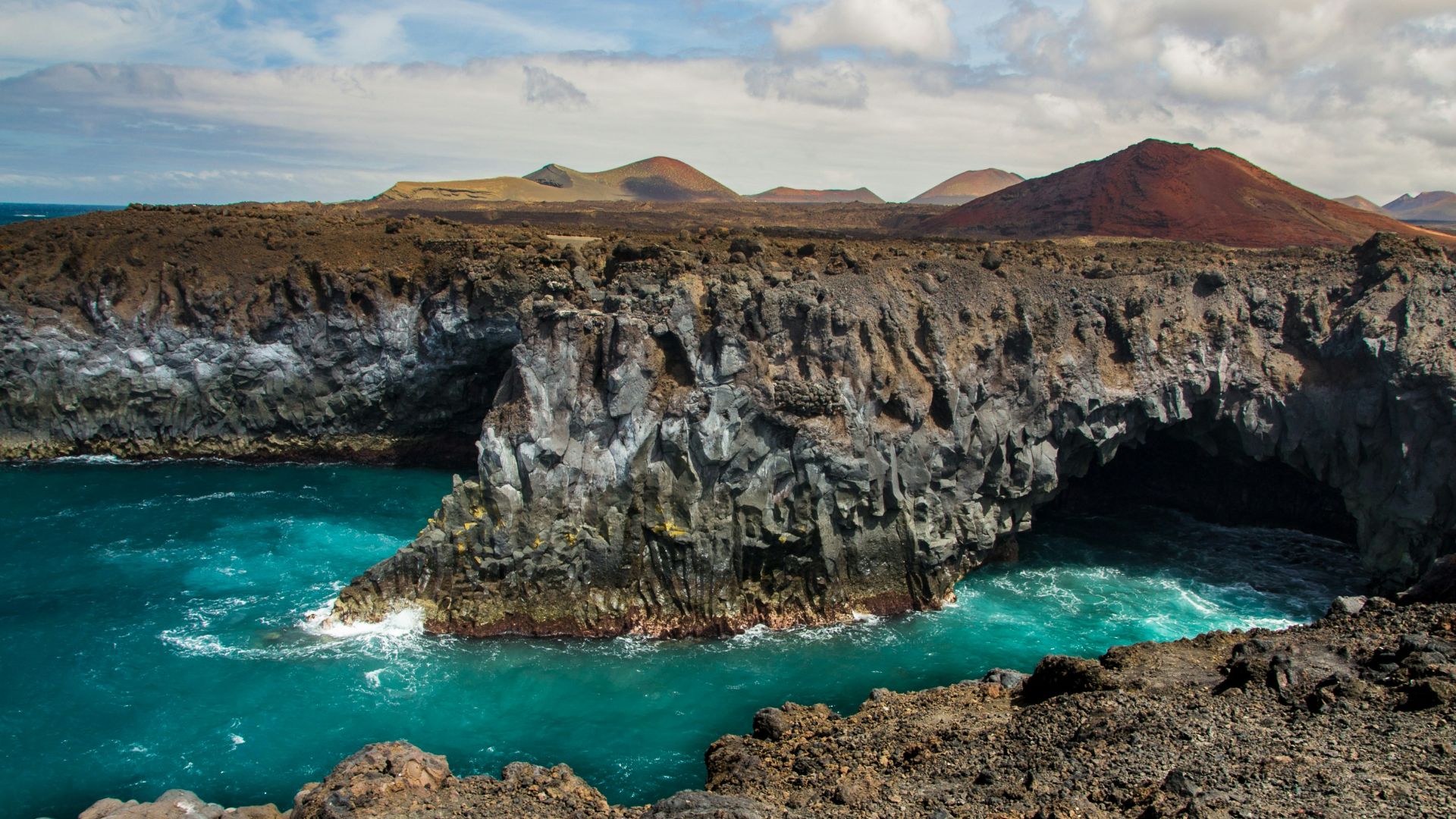
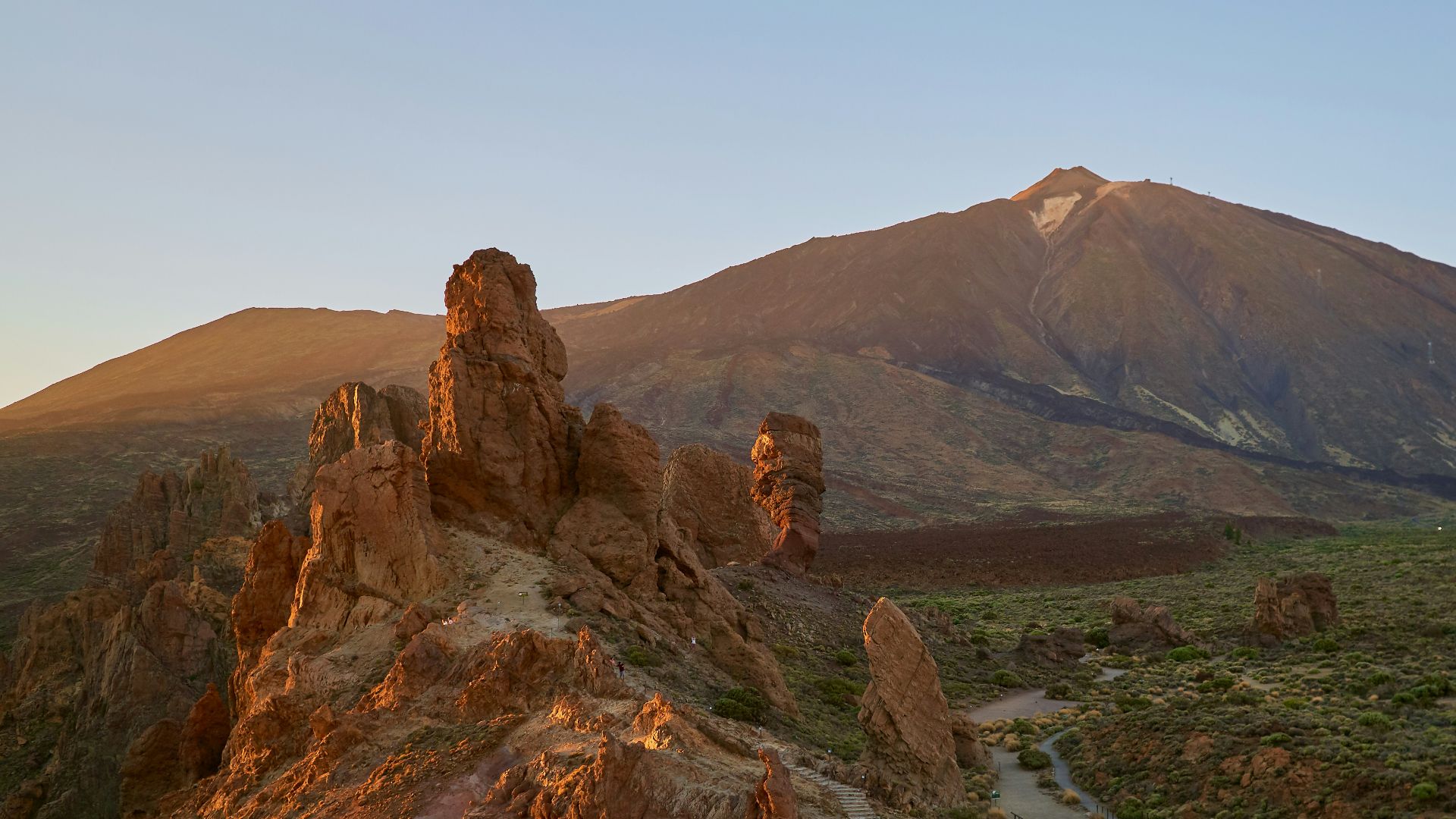
The Canary Islands are entirely volcanic, and that geology defines their dramatic beauty. Lanzarote’s Timanfaya National Park looks more like Mars than Europe, with rust-colored lava fields and steaming vents. Tenerife is home to Mount Teide, Spain’s highest peak and one of the tallest volcanoes in the world when measured from the ocean floor. Hiking through volcanic craters, walking black-sand beaches, and exploring lava tunnels are experiences you simply won’t find elsewhere in Spain. Bonus? They’re accessible year-round.
When to Visit: Eternal Spring, Year-Round
One of the Canary Islands’ biggest draws is their famously mild climate. Often called the “Islands of Eternal Spring,” temperatures hover between 18–25°C (64–77°F) most of the year. This makes them an ideal escape from harsh European winters or peak summer heat. For hiking and outdoor adventures, spring (March–May) and autumn (September–November) offer pleasant temperatures and fewer crowds. Winter is perfect for sun-seekers. And February brings Carnaval, one of the liveliest times to visit, especially in Tenerife and Gran Canaria.
Beaches Beyond the Brochure
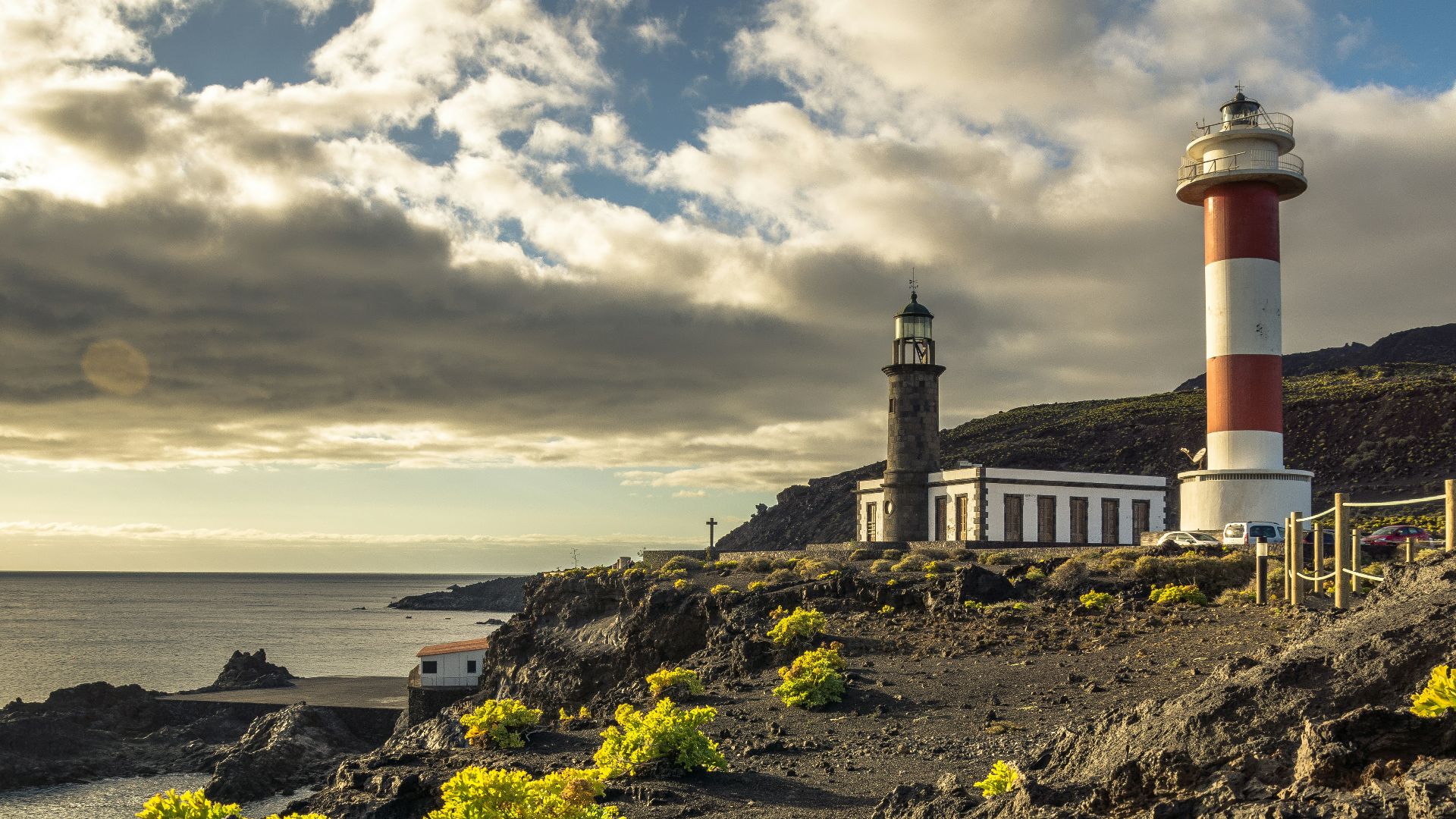
The beaches are beautiful and incredibly diverse. Fuerteventura is known for its long, golden, wind-swept beaches, making it a hotspot for surfing, kiteboarding, and windsurfing. Tenerife and Lanzarote offer striking black-sand beaches formed from volcanic rock. This creates the most dramatic coastal scenery.
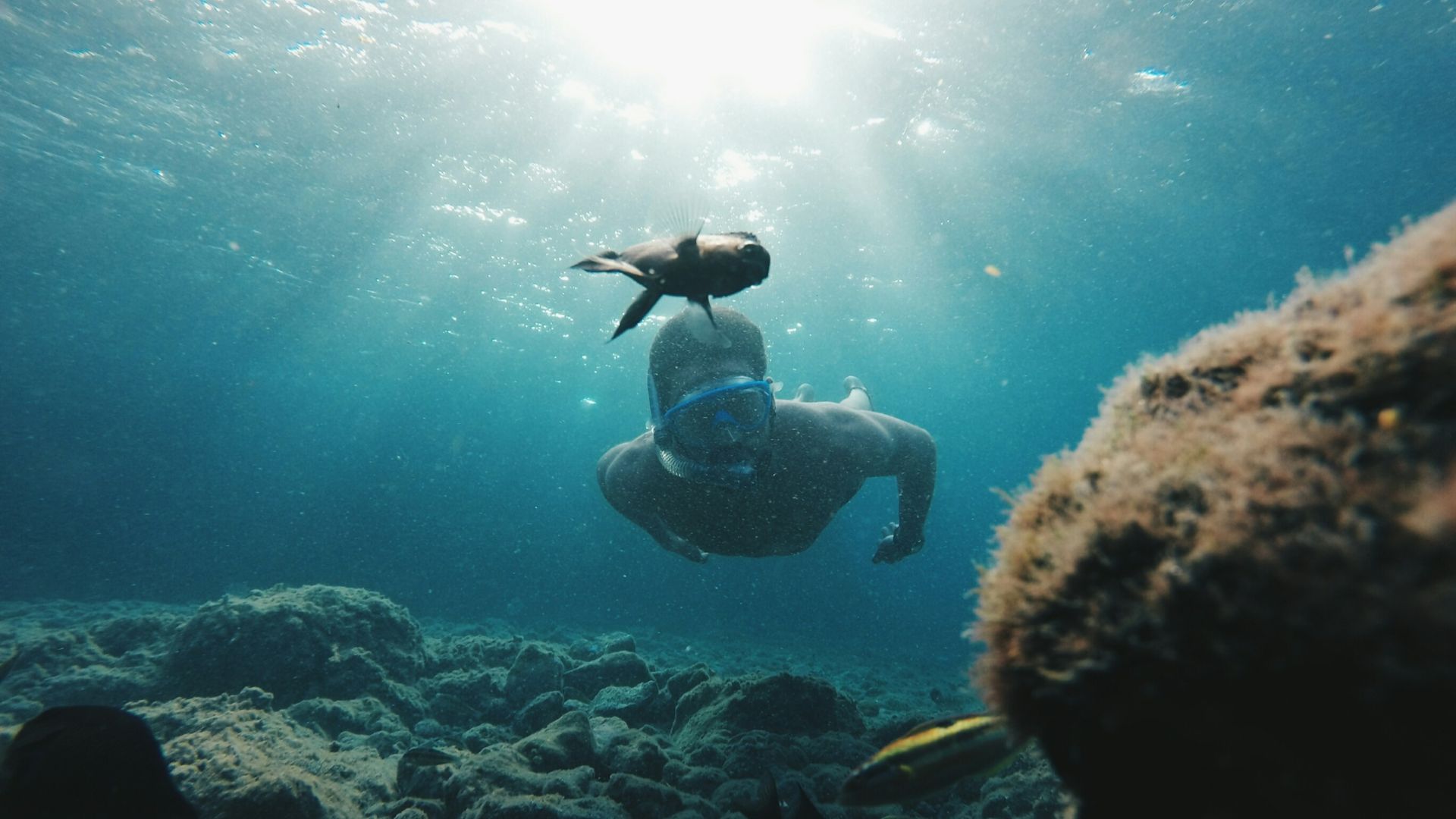
For something unique, seek out natural pools like Charcos in El Hierro or Tenerife, where lava formations create sheltered swimming spots filled with crystal-clear seawater.
Ancient Forests and UNESCO Landscapes
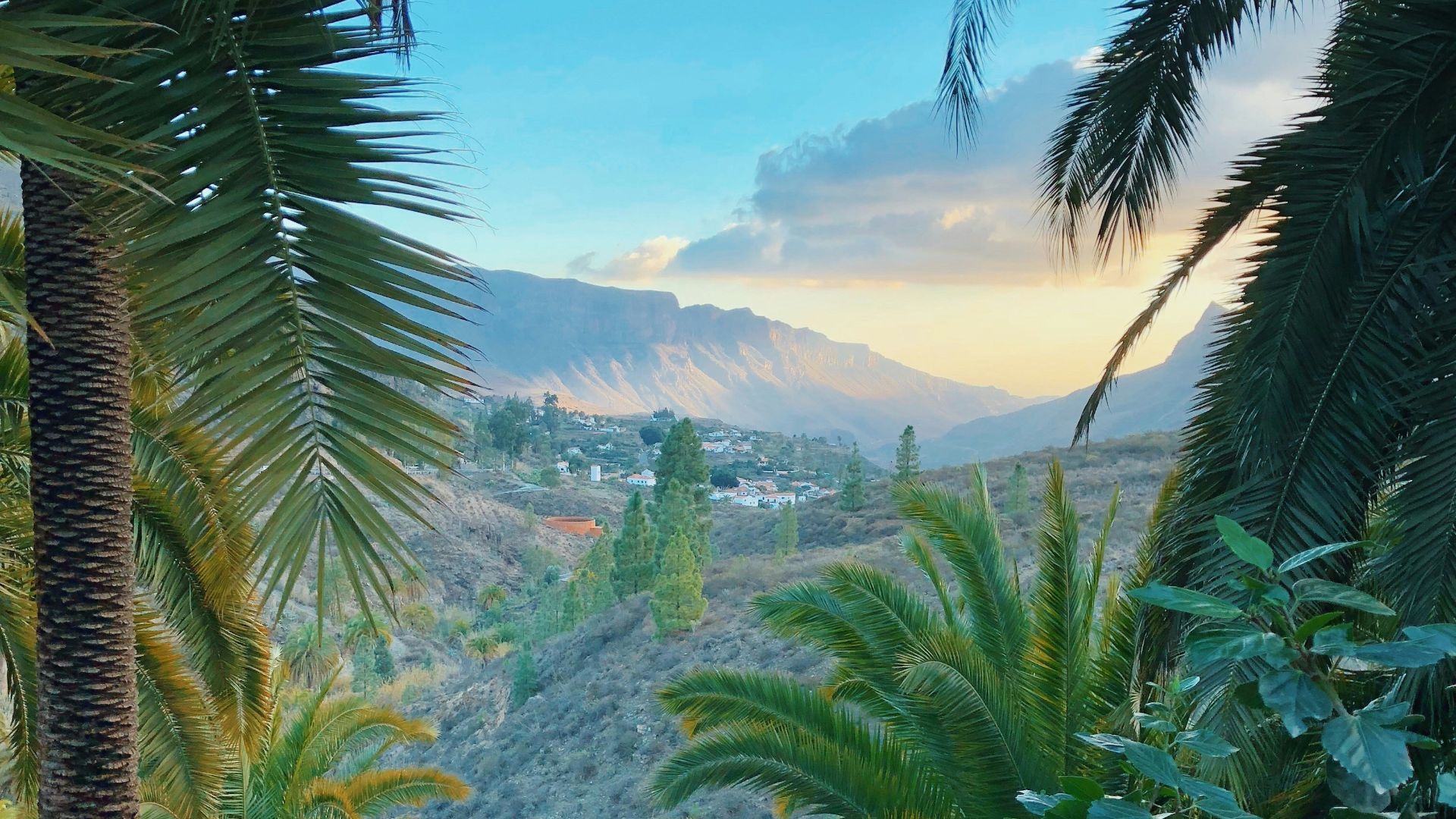
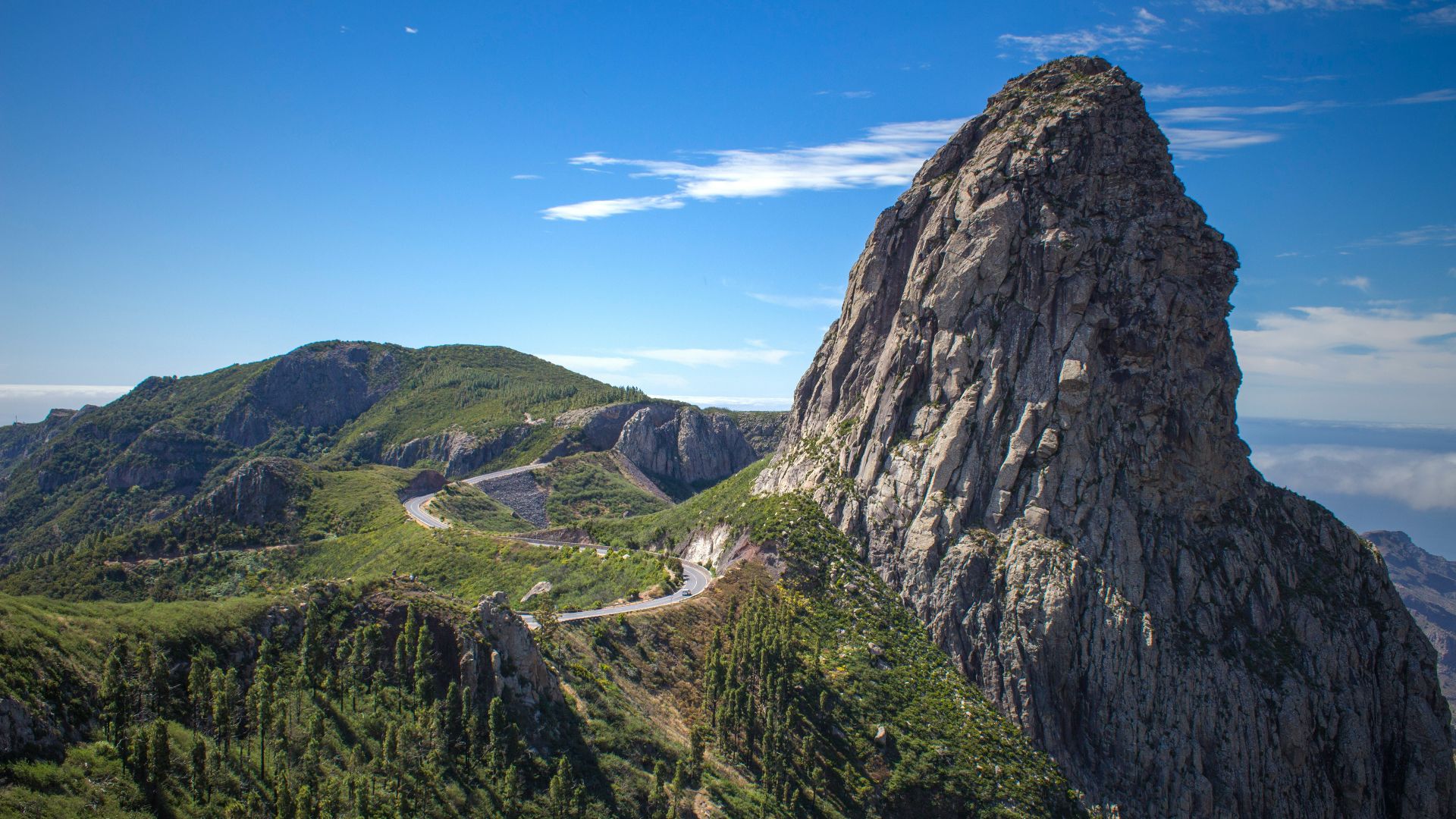
Beyond the coast, the islands hide lush, prehistoric landscapes. La Gomera’s Garajonay National Park is home to laurel forests that date back millions of years, remnants of ecosystems that once covered much of Europe. Several Canary Island sites hold UNESCO status, including Teide National Park and Lanzarote’s entire biosphere designation. These protected areas highlight how deeply nature and sustainability are woven into the islands’ identity.
Culture, Cuisine, and Carnival Spirit
The Canary Islands blend Spanish traditions with African, Latin American, and indigenous Guanche influences. Local dishes like papas arrugadas with mojo sauce are simple but iconic. Fresh seafood and volcanic wines surprise many first-time visitors. Carnaval is a cultural highlight not to be missed. Santa Cruz de Tenerife hosts one of the largest Carnaval celebrations in the world, rivaling Rio for color, costumes, and street energy. This promises an unforgettable way to experience local life.