

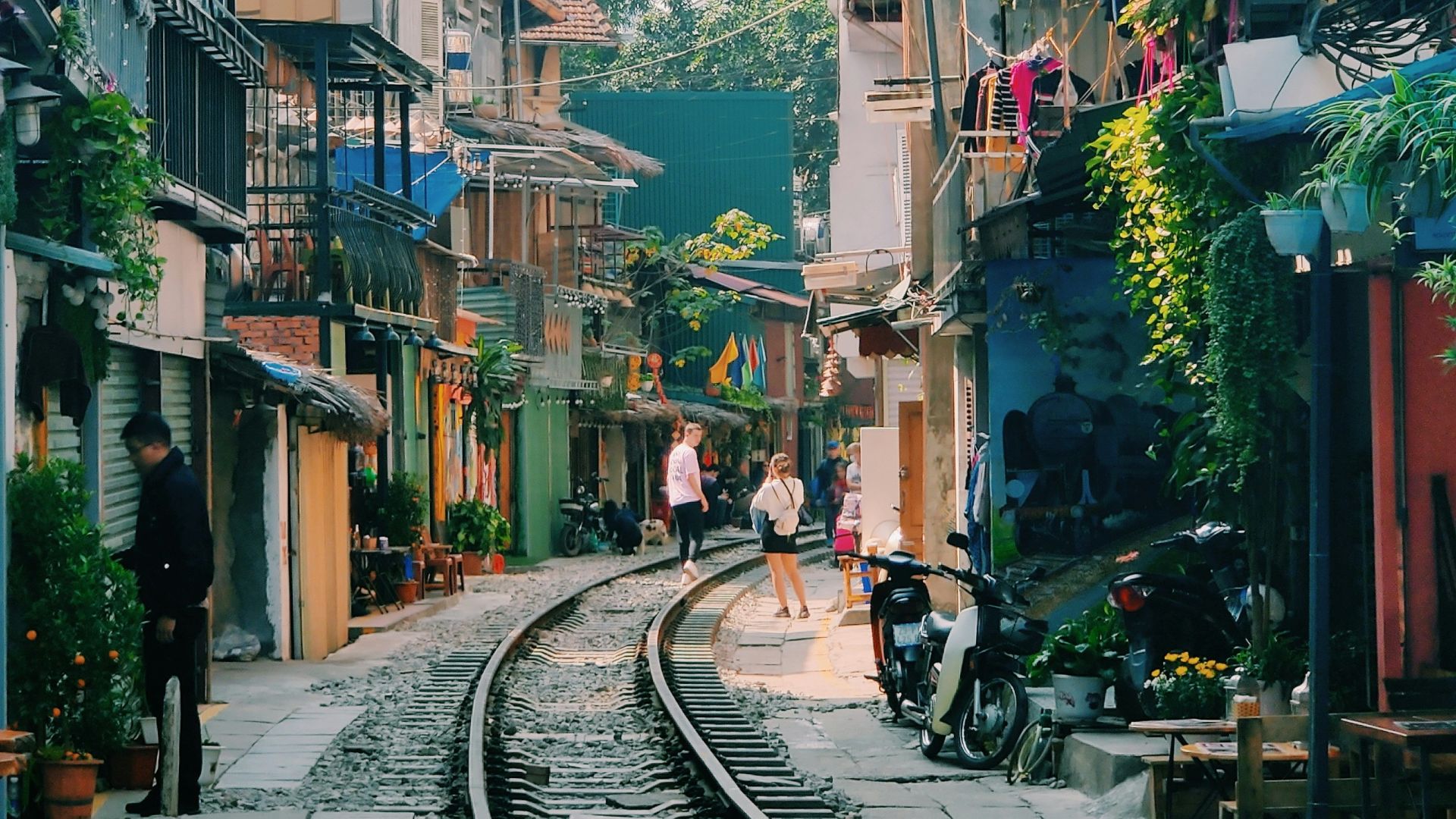
Hanoi’s food scene is deeply rooted in history and seasonality. Unlike flashier regional cuisines, traditional Hanoi dishes are balanced and subtle. Meals are often built around harmony rather than heat. Broths are clear but deeply flavorful. Herbs are used sparingly. And textures matter just as much as taste. From early-morning noodle stalls to late-night sidewalk grills, Hanoi’s cuisine tells the story of the city itself: measured, refined, and quietly unforgettable.
Phở Hà Nội: The Original Bowl That Started It All
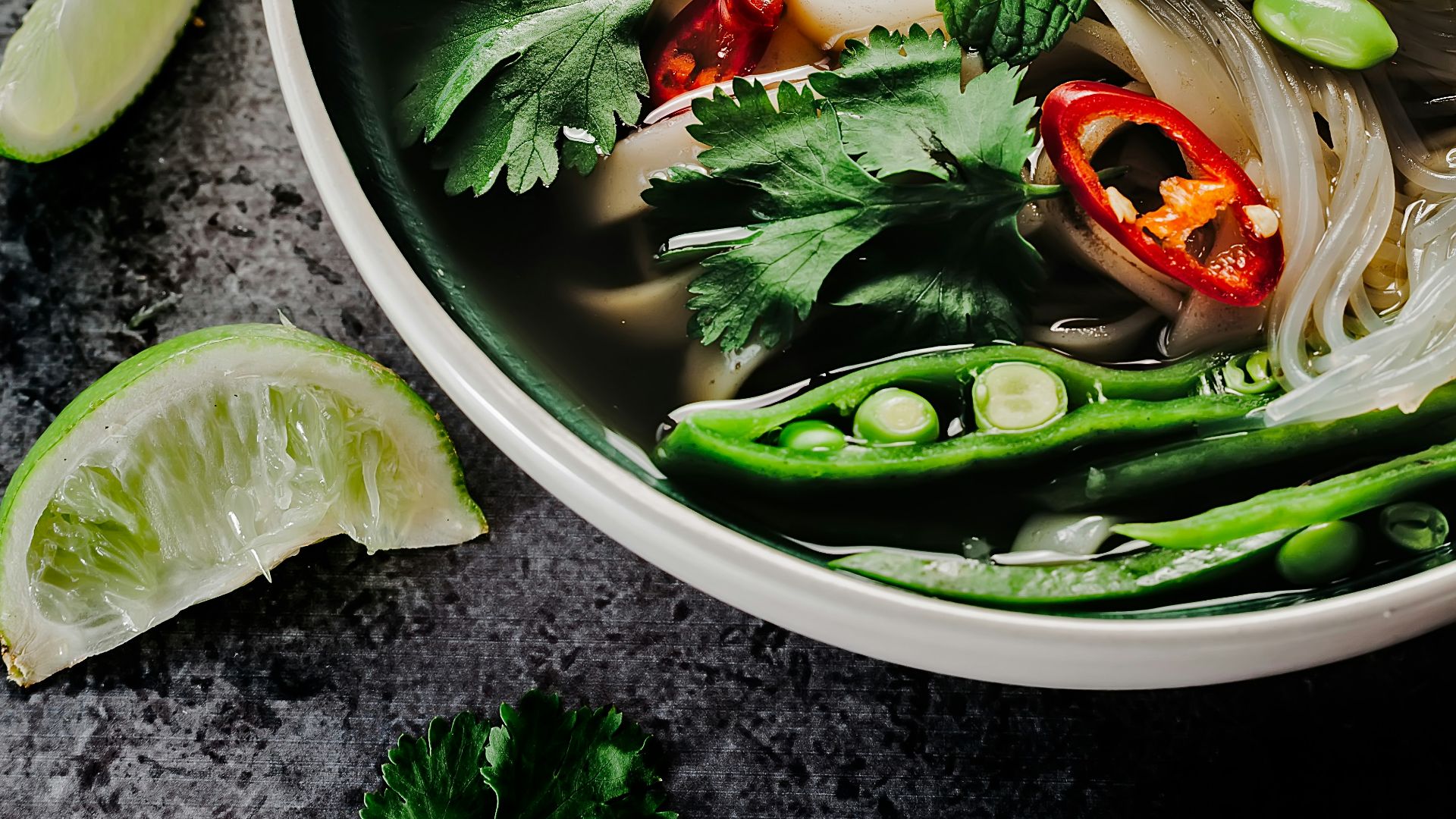
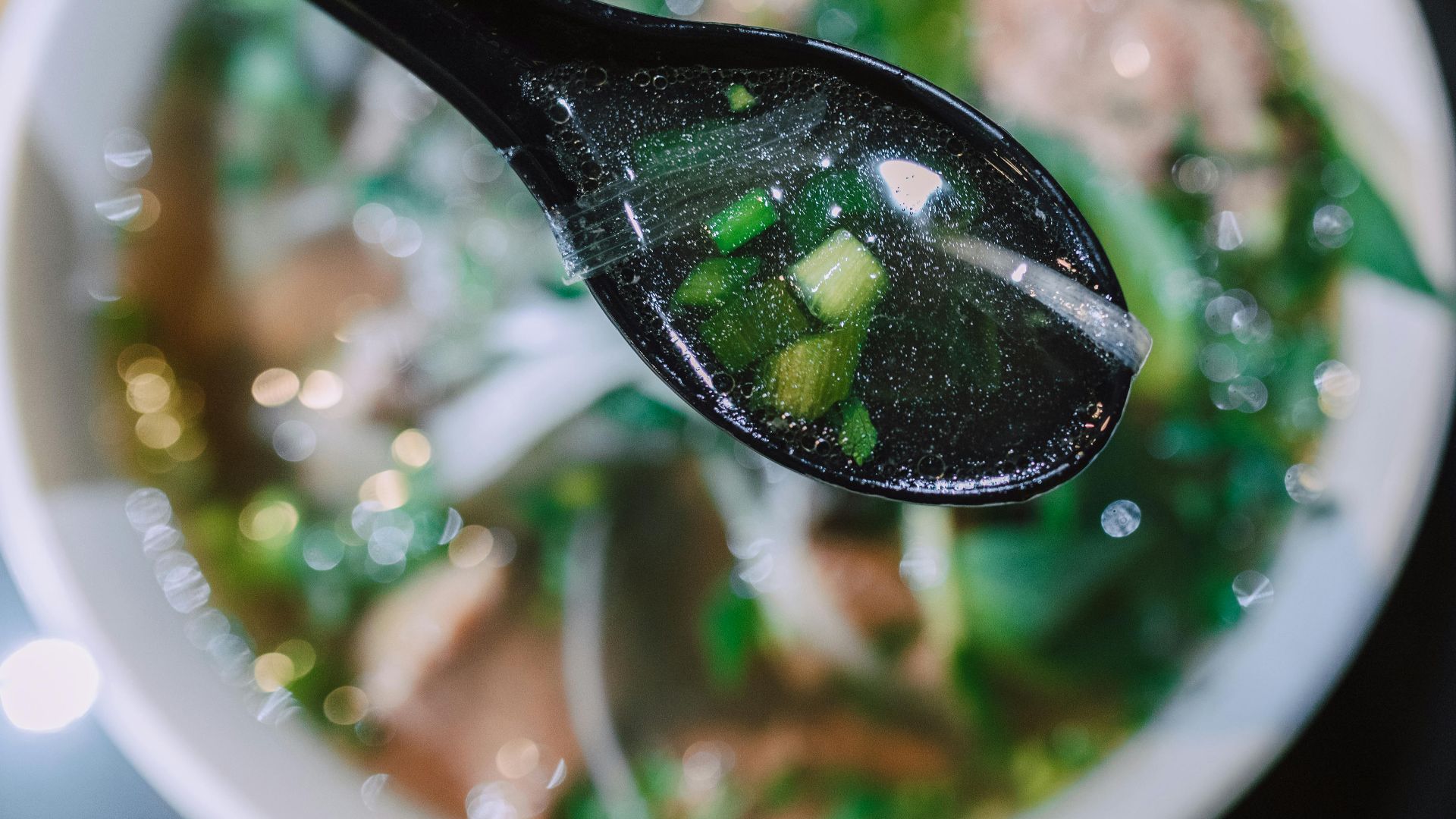
Phở may be Vietnam’s most famous dish, but phở Hà Nội is its purest form. The broth is clear and aromatic, made from hours of simmered beef bones, charred ginger, and onion. Unlike southern versions, Hanoi-style phở avoids sweetness and heavy garnishes. You’ll typically find flat rice noodles, thin slices of beef, scallions, and a light scattering of herbs. This simplicity is intentional. In Hanoi, phở is about balance and restraint, allowing the broth to take center stage. It’s traditionally eaten for breakfast, but locals enjoy it at all hours. This is just proof of its cultural importance beyond tourist menus.
Bún Chả: Grilled Perfection With a Smoky Twist
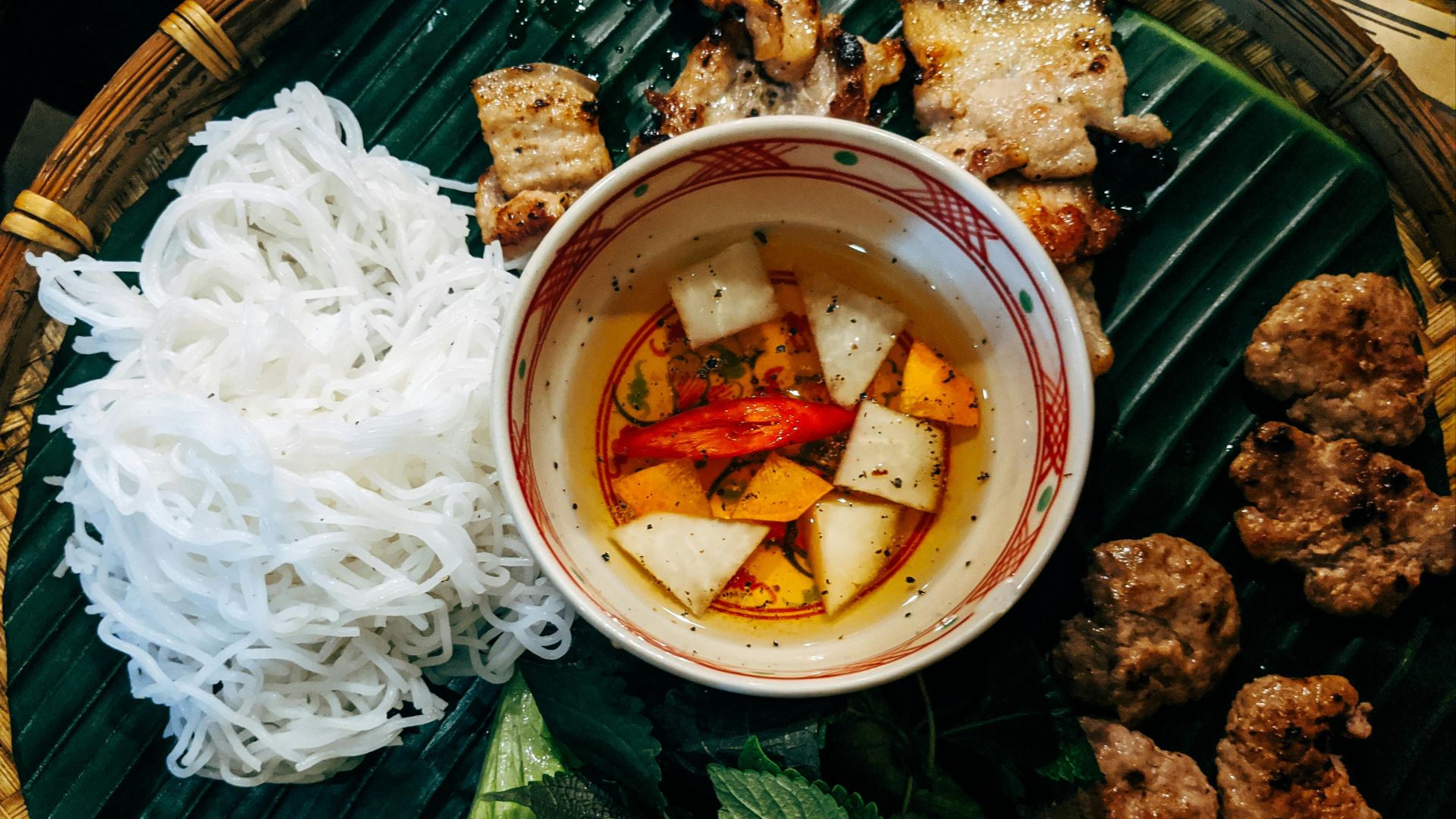
Few dishes capture Hanoi’s street food soul like bún chả. This iconic meal pairs smoky grilled pork (both sliced belly and seasoned patties) with rice noodles and fresh herbs. Its tangy dipping sauce is made from fish sauce, vinegar, sugar, and green papaya. What makes bún chả uniquely Hanoi is the grilling technique. Pork is cooked over charcoal, infusing it with a rich smokiness that contrasts beautifully with cool noodles and crisp herbs. It’s interactive, satisfying, and deeply local, often enjoyed in bustling alleyways.
Chả Cá Lã Vọng: A Dish With Its Own Street
Chả cá lã vọng is one of Hanoi’s most historic dishes. So iconic, it inspired the name of an entire street.
This turmeric-marinated fish is grilled, then pan-fried tableside with dill and scallions. It’s served with rice noodles, peanuts, herbs, and fermented shrimp paste for those who like bold flavors. The dish reflects Hanoi’s culinary elegance: fragrant, layered, and communal. Dill, which is rare in much of Vietnamese cooking, is essential here, giving chả cá its unmistakable aroma and identity.

Bánh Cuốn: Delicate, Savory, and Steamed to Order
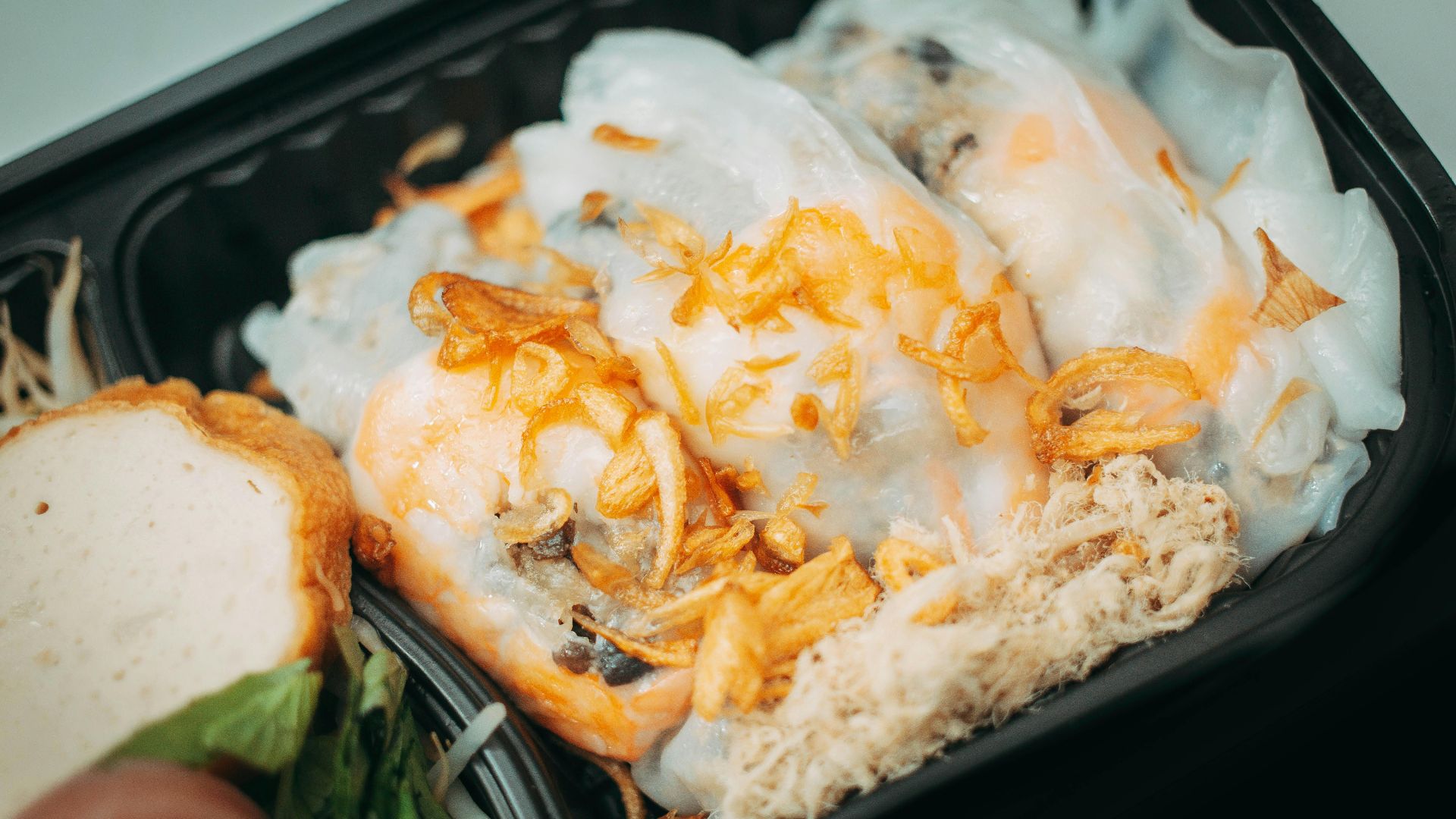
Light yet deeply satisfying, bánh cuốn showcases Hanoi’s love of refined textures. These paper-thin steamed rice rolls are filled with minced pork and wood ear mushrooms, then topped with fried shallots and served with dipping sauce. Freshness is key. The best bánh cuốn are made to order, with sheets of batter steamed just moments before serving. It’s a popular breakfast or light lunch, offering a glimpse into Hanoi’s quieter, more delicate side of street food.
Bún Thang: Hanoi’s Most Intricate Noodle Soup
Often described as Hanoi’s most complex dish, bún thang is a carefully composed noodle soup featuring shredded chicken, egg ribbons, pork floss, mushrooms, and a crystal-clear broth. Every ingredient is sliced precisely, creating visual elegance as well as balanced flavor. Traditionally eaten during special occasions, bún thang reflects Hanoi’s culinary philosophy: nothing overpowering, everything intentional.
It’s subtle, sophisticated, and deeply rooted in northern tradition.
Local Tips for Eating Traditional Food in Hanoi
To experience Hanoi’s traditional dishes at their best, timing and location matter. Many iconic foods are eaten at specific times of day. Phở is most authentic in the early morning, while bún chả is typically a lunchtime affair. If a stall closes by mid-afternoon, that’s often a sign it’s doing something right.
Don’t overlook small, no-frills eateries with low plastic stools and short menus. In Hanoi, specialization signals quality. A place serving only one or two dishes has usually perfected them over generations. Also, follow the locals: busy stalls filled with Hanoians are almost always a safe and delicious bet.
Finally, embrace subtlety. Northern Vietnamese cuisine favors balance over bold spice. So taste your food before reaching for condiments. Trust the broth, enjoy the herbs as served, and let Hanoi’s quiet culinary confidence do the talking.