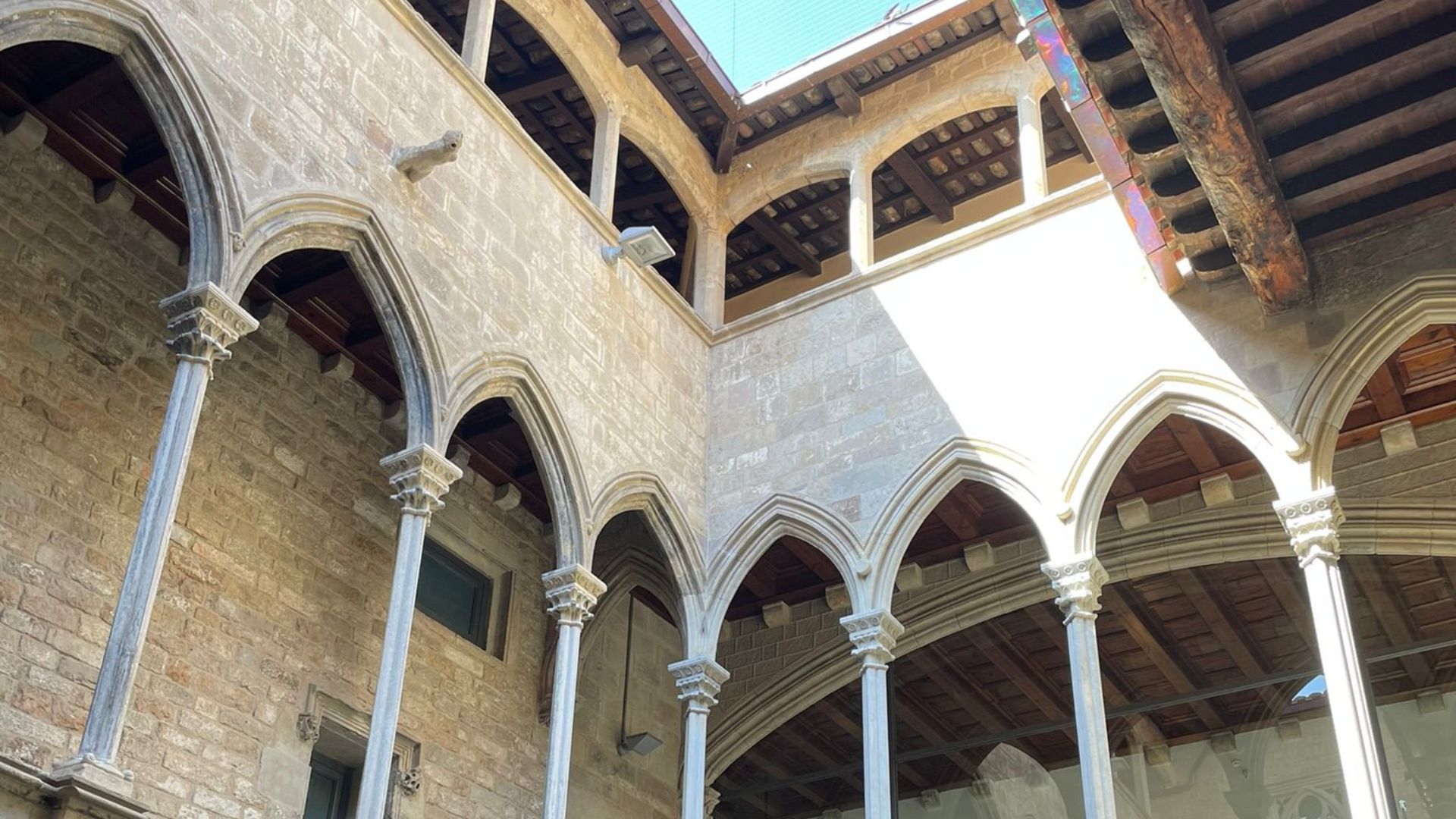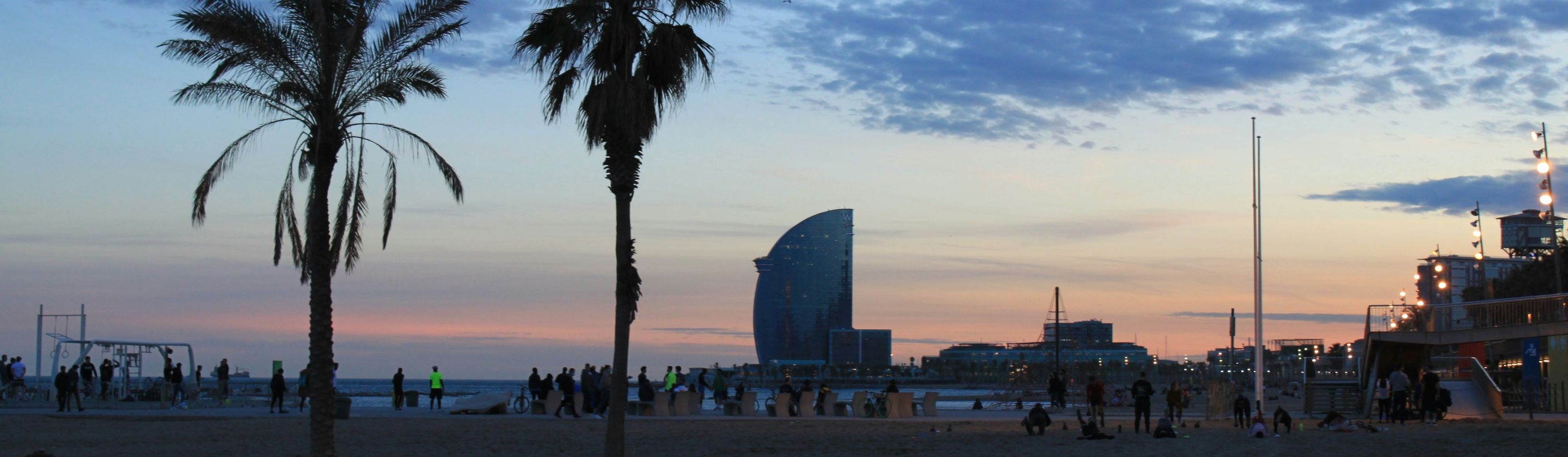
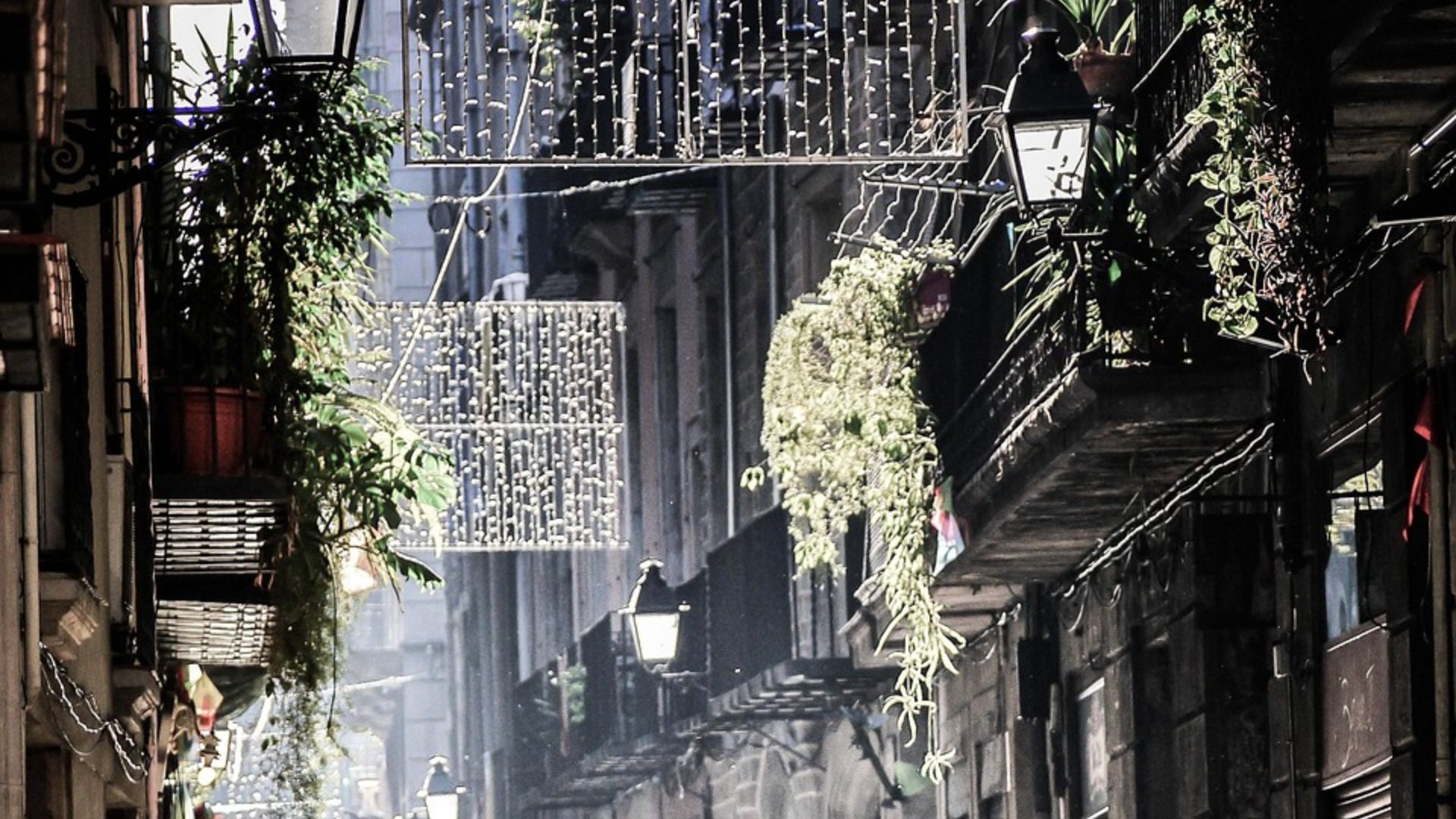
The streets of Barcelona resonate with a melody of culture and creativity. The capital of Catalonia left a profound imprint on Pablo Picasso, one of the greatest artists of the 20th century. With its vibrant energy and rich history, the city became a pivotal muse for the young Picasso. His time in Barcelona shaped his artistic vision and laid the groundwork for his revolutionary contributions to the art world.
Picasso's Early Childhood
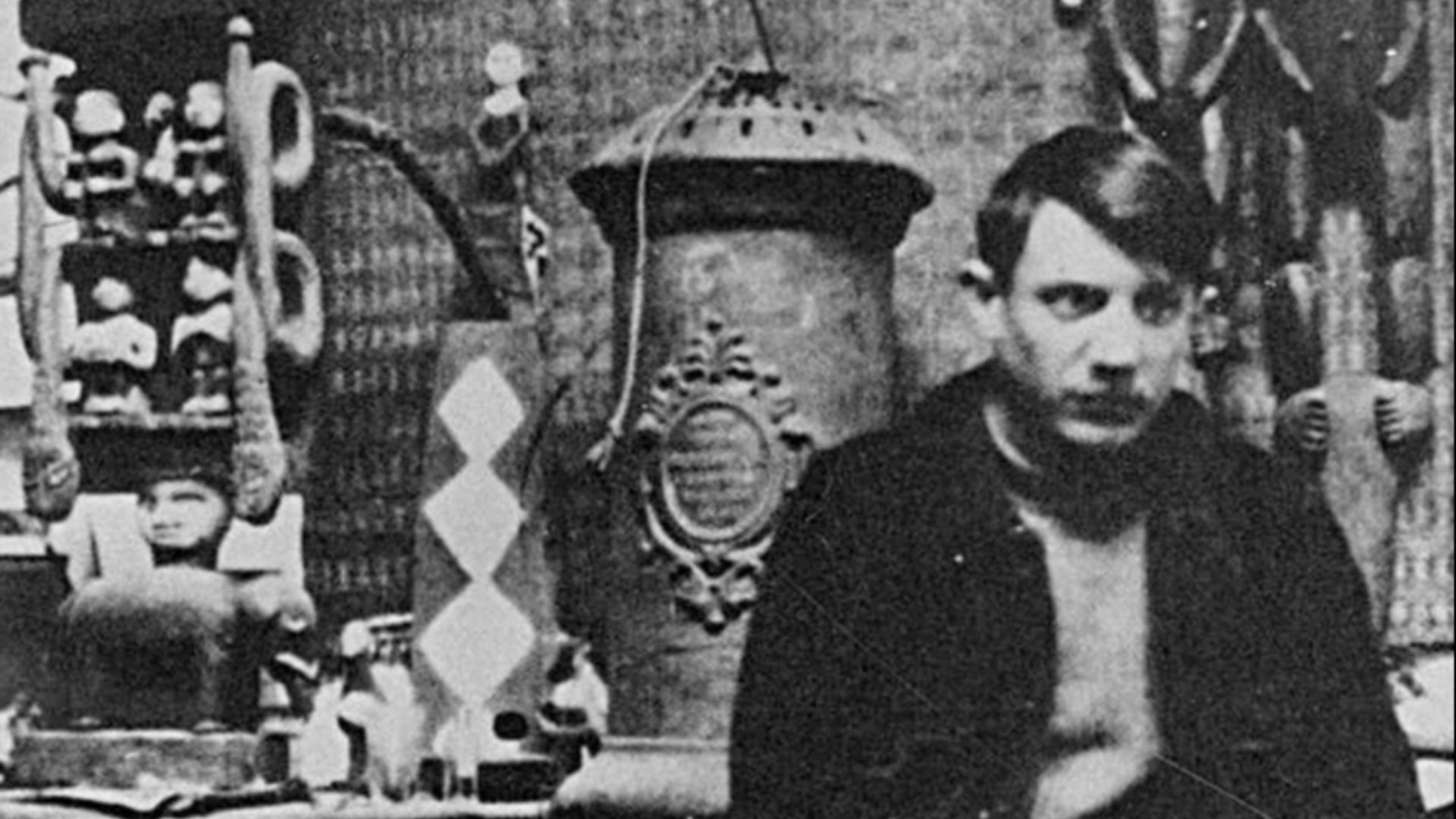
Picasso was born in Malaga, Spain in 1881 and moved to Barcelona with his family at 13. It was here, amidst the bustling streets and eclectic architecture, that he first encountered the avant-garde movements that would later define his career. In those younger years, Picasso immersed himself in the city's artistic circles, drawing inspiration from the works of Catalan modernists such as Gaudí and Casas.
 Franck Gelett Burgess on Wikimedia
Picasso's Playground
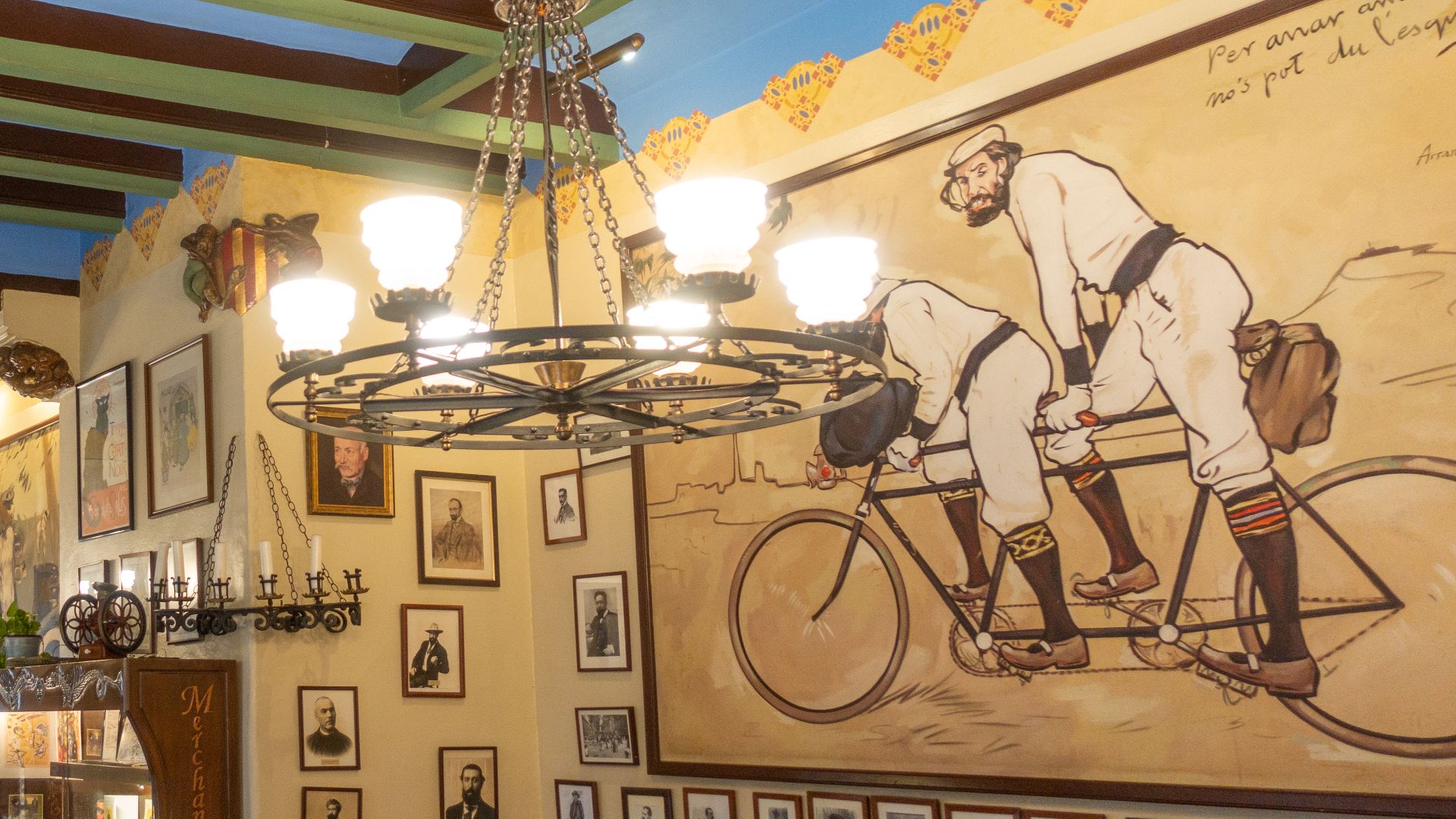
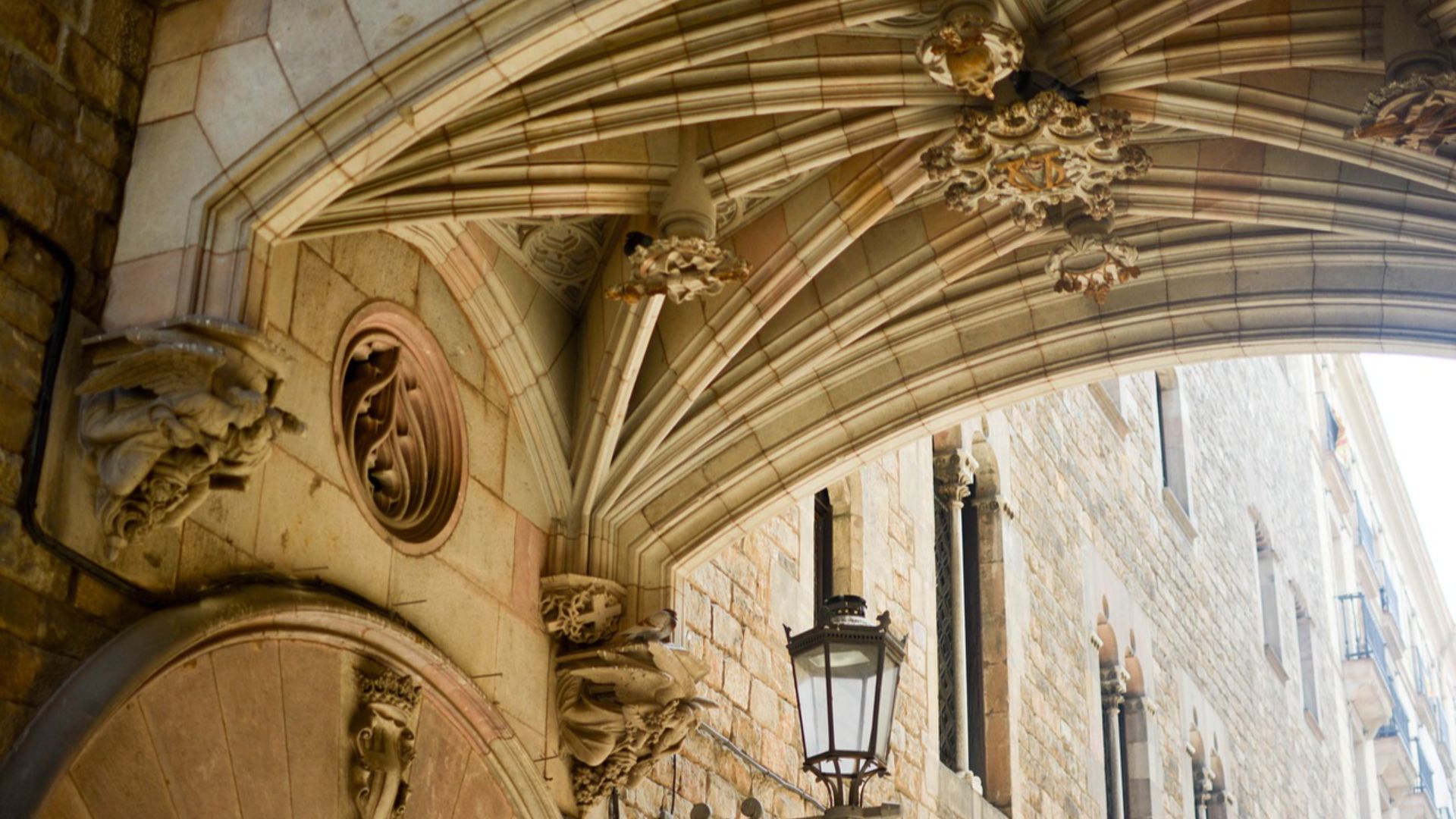
One of the most significant landmarks from Picasso's time in Barcelona is the legendary Els Quatre Gats (The Four Cats) café. This iconic spot is located in the bohemian quarter of the city. It served as a meeting point for intellectuals, artists, and creatives. Picasso held his first solo exhibition at Els Quatre Gats in 1900, showcasing his early works and announcing his arrival onto the art scene. Every corner of Barcelona inspired the young artist, from the Gothic Quarter’s alleys to Montjuïc’s sun-drenched vistas.
 Kent Wang from Barcelona, Spain on Wikimedia
The Influence of Catalan Culture
Catalan culture had a profound influence of on Picasso’s work. The vibrant colors, dynamic rhythms, and spirited traditions of Catalonia are reflected in many of Picasso's paintings from this period. Picasso infused his art with the essence of the region, depicting at times the fervor of a flamenco performance and at others, the whimsical charm of a Catalan festival.
Picasso’s Groundbreaking Masterpiece
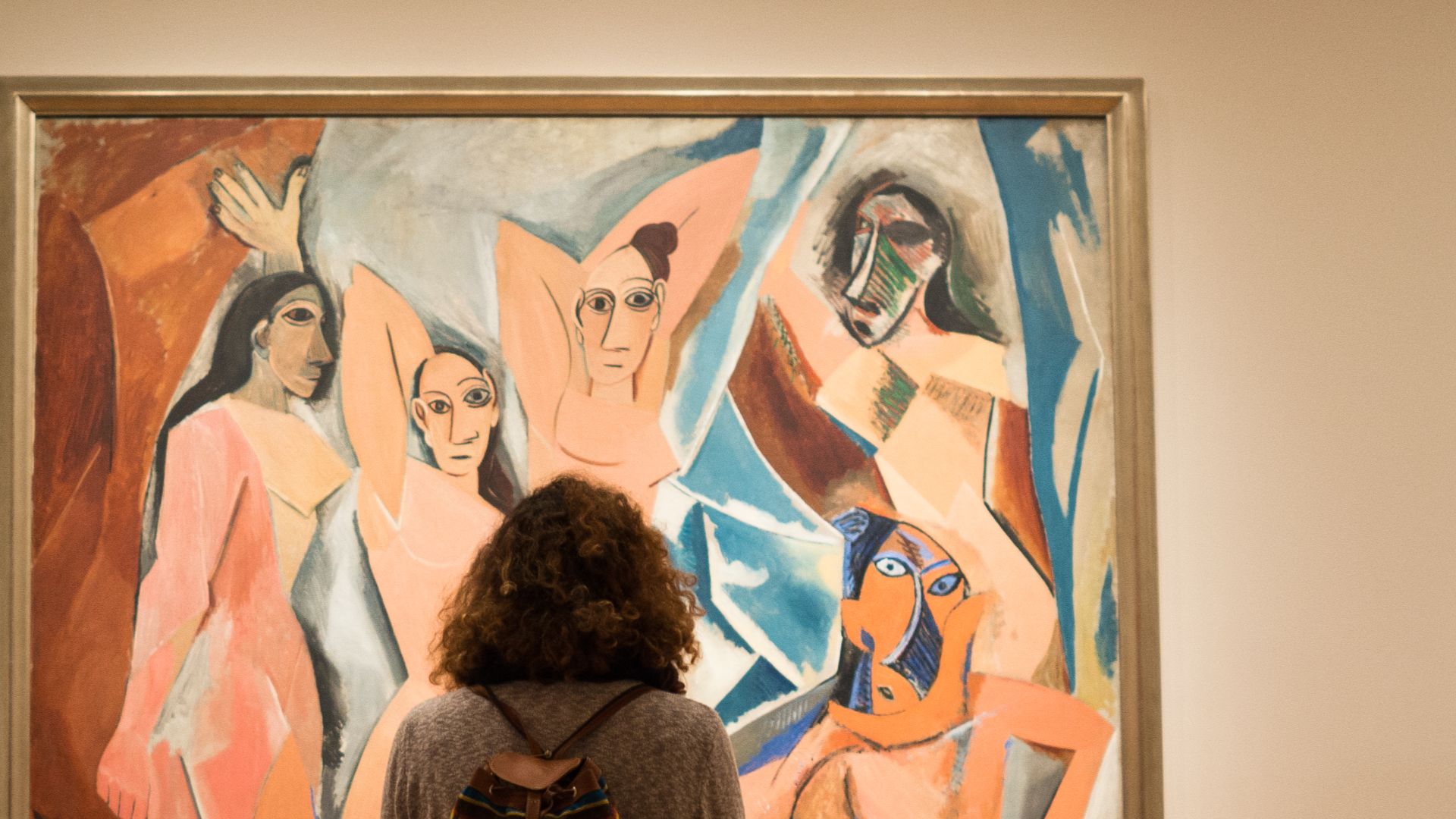
Picasso’s groundbreaking masterpiece, "Les Demoiselles d'Avignon," may be one of the most enduring legacies of his time in Barcelona. This work marked the birth of Cubism and reflected a radical departure from traditional artistic conventions. The painting altered the course of modern art and reflected Picasso's relentless pursuit of artistic innovation. He was deeply commited to pushing the boundaries of expression.
Picasso's Enduring Presence in Barcelona
As Picasso's fame grew, so too did his desire to explore new horizons beyond Barcelona. In 1904, he left the city on a journey that would ultimately lead him to Paris – the epicenter of the avant-garde movement. Despite his departure, Picasso's legacy continued to thrive in Barcelona, leaving a mark on the city's cultural landscape that resonates today.
Traveler Tip: The Museu Picasso in Barcelona (The Picasso Museum Barcelona) is well worth a visit while you're in the city!